

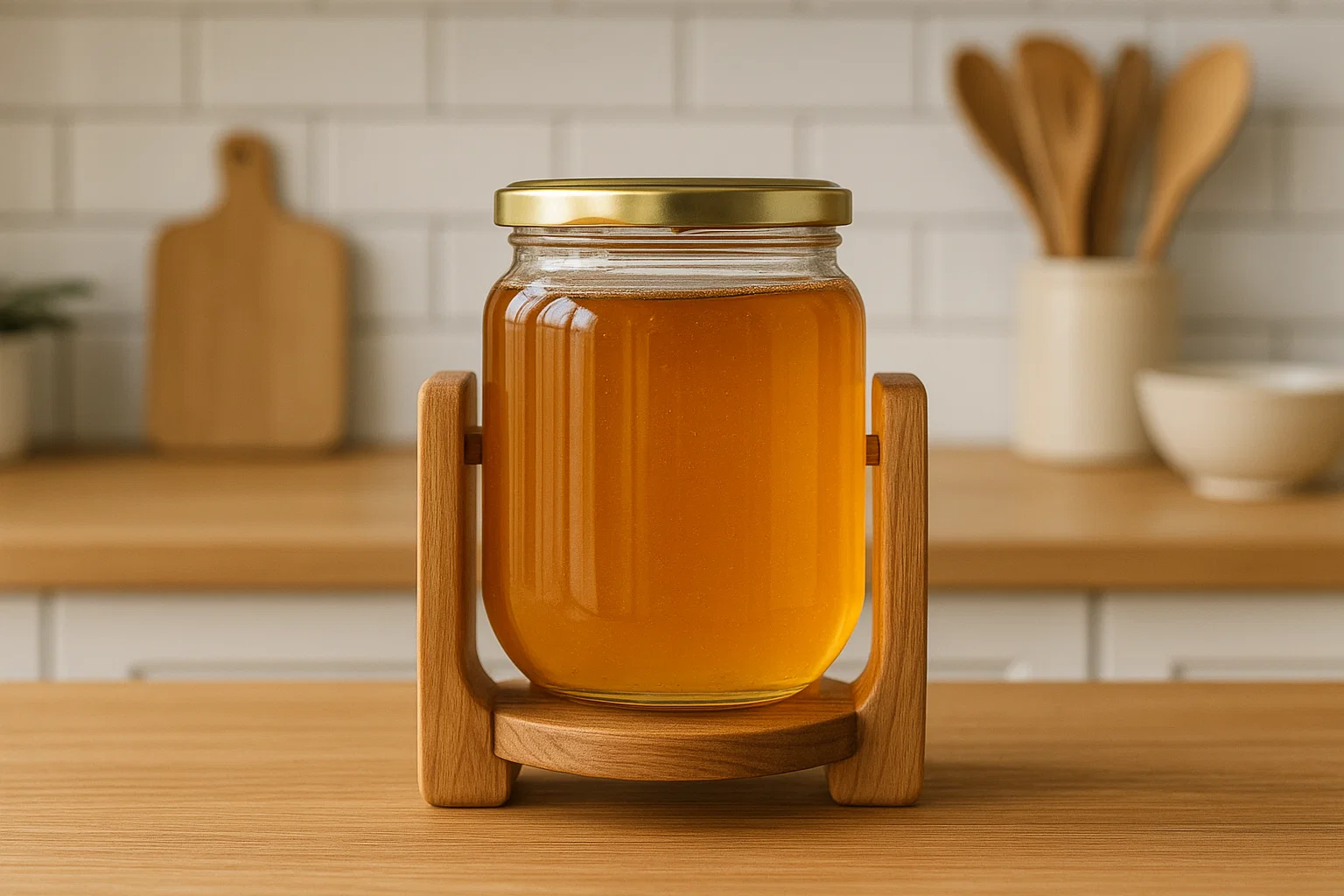
Honey is often considered a simple natural sweetener, but anyone who has tasted different varieties knows that not all honey tastes the same. One of the most noticeable differences appears when comparing natural honey with commercially produced honey. The variation in flavour, aroma, texture, and even colour often raises curiosity among consumers. Understanding why these differences exist helps explain why natural honey is widely preferred by those seeking authenticity and purity.
The taste of honey is influenced by its source, how it is processed, and the level of human intervention involved. These factors play a crucial role in shaping the final product that reaches your kitchen.
The Role of Floral Sources in Honey Taste
The primary reason natural honey tastes different lies in the diversity of floral sources from which bees collect nectar. In natural environments, bees forage from a wide variety of wildflowers, trees, herbs, and plants. Each floral source contributes unique flavour compounds, resulting in complex taste profiles that can range from mildly sweet to deep, earthy, or even slightly tangy.
Commercial honey, on the other hand, is often produced from single-crop agricultural areas or blended from multiple sources. This blending process creates a uniform taste but removes the distinct character that comes from diverse nectar sources.
Minimal Processing Preserves Natural Flavour
Natural honey is typically minimally processed to preserve its original properties. It is gently strained to remove impurities without exposing it to high heat. This allows natural enzymes, pollen, and aromatic compounds to remain intact, which directly influences taste and aroma.
Commercial honey is usually subjected to high-temperature processing and fine filtration. While this improves clarity and shelf stability, it significantly reduces flavour complexity. Heating can destroy delicate enzymes and volatile compounds responsible for honey’s natural taste, resulting in a flatter and less distinctive flavour.
Impact of Heating and Filtration
Heating honey beyond certain temperatures changes its chemical structure. Excessive heat caramelizes natural sugars and alters the balance of flavour compounds. This is one of the main reasons commercial honey often tastes overly sweet without depth.
Natural honey retains its original sugar balance and aromatic compounds because it is not overheated. This preservation results in a richer taste that reflects its natural origin. Filtration also plays a role. Removing pollen and micronutrients during heavy filtration strips honey of flavour complexity.
Presence of Natural Enzymes and Pollen
Enzymes and pollen are key contributors to the unique taste of natural honey. These components interact with sugars and moisture, creating layered flavours that evolve on the palate. Pollen also provides subtle bitterness or floral notes, enhancing the overall taste experience.
Commercial honey often lacks these elements due to excessive filtration. While the product may look cleaner and clearer, it loses much of the natural character that defines authentic honey.
Crystallization and Texture Differences
Another noticeable difference is texture. Natural honey often crystallizes over time, which is a natural process caused by glucose separation. Crystallization does not affect quality and may even enhance mouthfeel, giving honey a creamy or grainy texture.
Commercial honey is usually processed to delay or prevent crystallization, resulting in a consistently liquid form. While visually appealing, this uniform texture can feel less rich when consumed.
Influence of Environmental Conditions
Natural honey reflects the environment in which it is produced. Soil quality, climate, rainfall, and seasonal changes all influence nectar composition. This environmental connection gives natural honey a distinctive regional identity.
Commercial honey, by contrast, is often blended from multiple regions to maintain consistent taste throughout the year. This practice removes seasonal and regional flavour variations that make natural honey unique.
Absence of Additives Enhances Authentic Taste
Pure natural honey contains no added sugars, syrups, or artificial flavour enhancers. Its sweetness comes solely from natural fructose and glucose, balanced with trace minerals and organic acids.
Commercial honey may sometimes be diluted or blended to reduce costs and maintain uniformity. Even small changes in composition can significantly affect taste, making it less complex and more one-dimensional.
Why Taste Matters to Health-Conscious Consumers
For many consumers, taste is not just about enjoyment but also about trust. The rich and varied flavour of natural honey often signals minimal processing and higher nutritional value. This sensory experience reassures buyers that they are consuming honey in its most authentic form.
Commercial honey’s uniform taste may appeal to mass markets, but it lacks the depth that reflects genuine craftsmanship and natural sourcing.
Conclusion
Natural honey tastes different from commercial honey because of its diverse floral sources, minimal processing, presence of enzymes and pollen, and strong connection to the environment. These factors work together to create a complex, rich, and authentic flavour profile that commercial honey often cannot replicate.
Choosing natural honey means appreciating the true taste of nature rather than a standardized product. Its unique flavour variations are a reminder that honey, when left close to its natural state, offers far more than just sweetness.
