

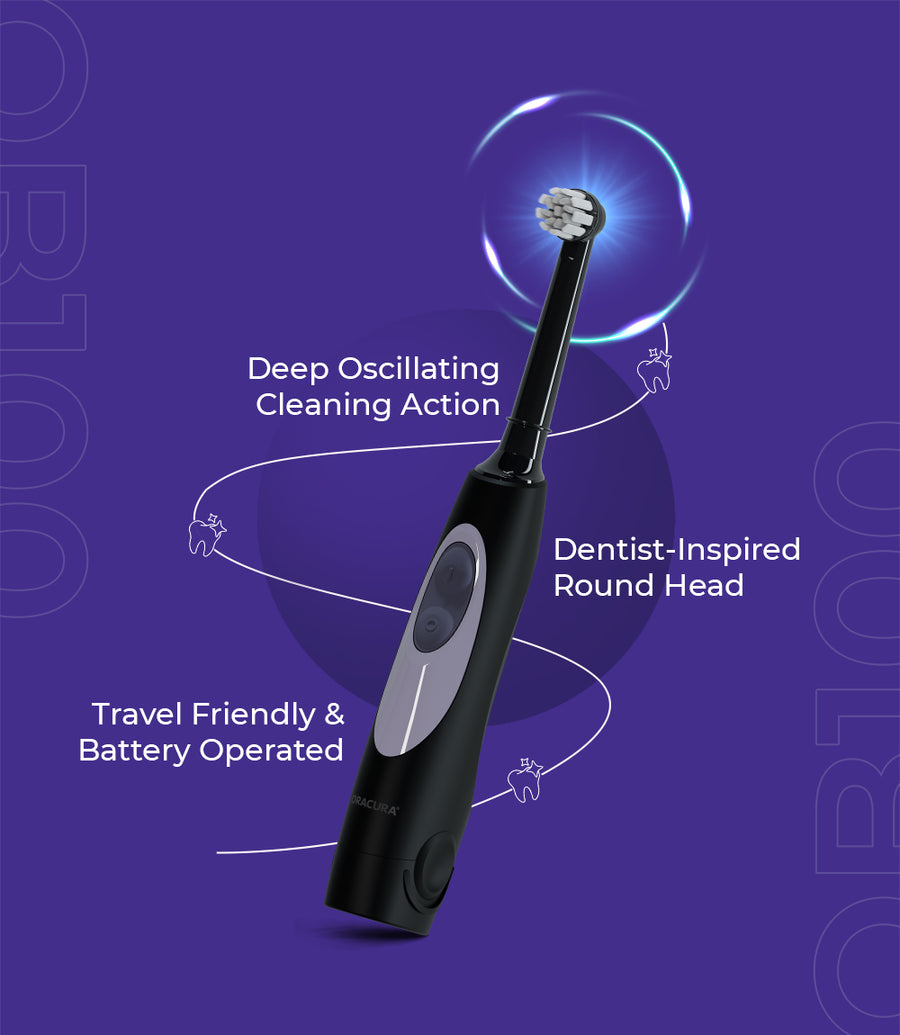
With advancements in oral care technology, electric toothbrushes have become a popular upgrade from traditional manual brushing. Among the different types available today, oscillating electric toothbrushes are widely recommended by dental professionals for their effective plaque removal and ease of use. But what exactly is an oscillating electric toothbrush, and how does it work?
This article breaks down the technology, benefits, and working mechanism of oscillating electric toothbrushes to help you understand why they’re becoming a preferred choice for modern oral hygiene.
What Is an Oscillating Electric Toothbrush?
An oscillating electric toothbrush is a powered toothbrush that features a small, round brush head that moves back and forth (oscillates) or rotates to clean teeth. Unlike manual toothbrushes that rely on hand movement, oscillating brushes perform rapid mechanical motions to remove plaque more effectively.
Most oscillating toothbrushes combine:
- Oscillating motion (side-to-side movement)
- Rotating action (circular movement)
- In some advanced models, pulsating movement to loosen plaque before sweeping it away
This combination allows the brush to clean each tooth individually, mimicking the professional polishing action used by dentists.
How Does an Oscillating Electric Toothbrush Work?
The effectiveness of an oscillating electric toothbrush lies in its motor-driven movement and precision brush head design.
1. Rapid Oscillation and Rotation
When switched on, the motor causes the brush head to rotate or oscillate at high speeds—typically 5,000 to 8,000 oscillations per minute or more, depending on the model. This rapid motion disrupts plaque biofilm, which is the sticky layer of bacteria that forms on teeth.
Unlike manual brushing, you don’t need to scrub. Simply guiding the brush along each tooth allows the oscillating action to do the work.
2. Small, Round Brush Head Design
The compact circular brush head is designed to cup each tooth, enabling targeted cleaning. This shape makes it easier to reach difficult areas such as:
- Between teeth
- Along the gumline
- Around braces, crowns, and dental work
This precision reduces the risk of missing spots that are often neglected with flat manual brushes.
3. Consistent Cleaning Pressure
Many oscillating electric toothbrushes include built-in timers and pressure sensors. These features ensure:
- You brush for the dentist-recommended two minutes
- You don’t apply excessive pressure that could damage gums or enamel
The result is a consistent and controlled brushing experience every time.
How Is It Different from Manual Brushing?
Manual toothbrushes depend entirely on your hand technique, which can vary in speed, pressure, and coverage. Oscillating electric toothbrushes eliminate much of this inconsistency by delivering uniform movement across all teeth.
Key differences include:
- More strokes per minute than manual brushing
- Less effort required from the user
- Improved plaque removal, especially in hard-to-reach areas
This makes oscillating toothbrushes particularly helpful for children, seniors, and individuals with limited hand mobility.
Benefits of Using an Oscillating Electric Toothbrush
1. Superior Plaque Removal
Clinical studies have shown that oscillating-rotating toothbrushes remove more plaque than manual toothbrushes when used correctly. This helps reduce the risk of cavities and gum disease.
2. Improved Gum Health
By effectively cleaning along the gumline without aggressive scrubbing, oscillating brushes help reduce gingival inflammation and bleeding over time.
3. Easier for Braces and Dental Work
The round brush head navigates around brackets, wires, implants, and crowns with ease, making it a great option for orthodontic and restorative dental care.
4. Reduced Brushing Errors
Smart features like timers, interval alerts, and pressure indicators guide users toward better brushing habits, minimizing common mistakes such as brushing too hard or too briefly.
Who Should Use an Oscillating Electric Toothbrush?
Oscillating electric toothbrushes are suitable for most people, including:
- Individuals with braces or aligners
- People with sensitive gums
- Those prone to plaque buildup
- Anyone looking to upgrade their daily oral care routine
They’re also a good choice for beginners transitioning from manual brushing, thanks to their intuitive design.
How to Use an Oscillating Electric Toothbrush Correctly
To get the best results:
- Place the brush head on your tooth before turning it on
- Let the brush gently move tooth by tooth—don’t scrub
- Hold the brush at a slight angle toward the gumline
- Spend a few seconds on each tooth surface
- Follow the timer alerts to complete the full two minutes
Using gentle pressure is key—let the oscillations do the work.
Are There Any Downsides?
While oscillating electric toothbrushes are highly effective, a few considerations include:
- Slightly higher cost than manual brushes
- Need for battery charging or replacement
- Brush head replacements every 3 months
However, these are minor compared to the long-term oral health benefits they provide.
Final Thoughts
An oscillating electric toothbrush is a powerful oral care tool designed to make brushing more effective, consistent, and effortless. By combining high-speed oscillation with a precision brush head, it cleans more thoroughly than manual brushing while being gentle on teeth and gums.
If you’re looking to improve plaque control, gum health, and overall brushing efficiency, switching to an oscillating electric toothbrush can be a smart and worthwhile upgrade for your daily routine.
