

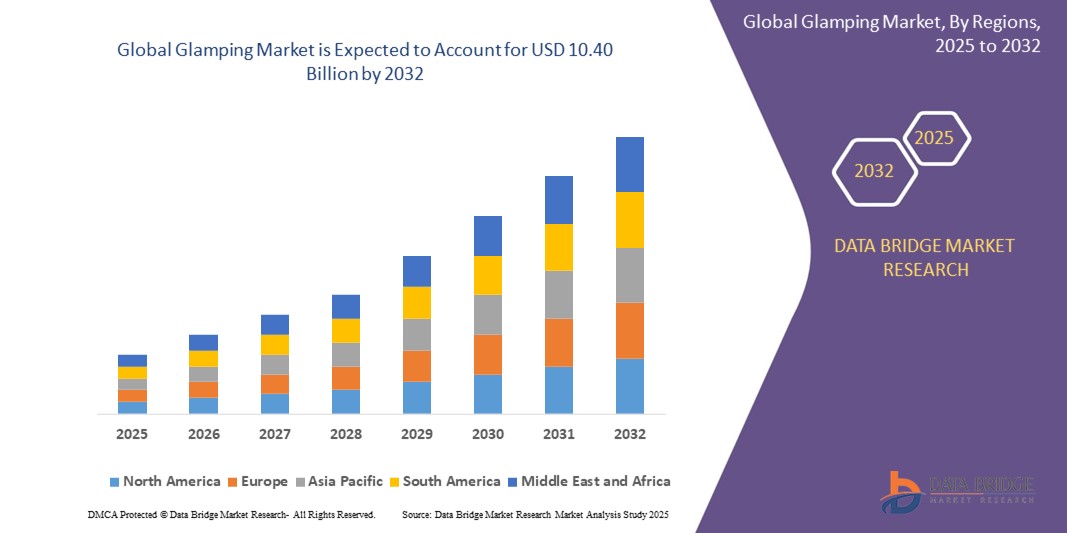
The glamping market is experiencing steady global growth as travelers seek unique outdoor stays combined with modern comfort. Glamping, short for glamorous camping, blends nature-based experiences with premium amenities. This travel format appeals to consumers who want relaxation, privacy, and memorable stays without compromising convenience.
Changing travel preferences, rising disposable income, and increased interest in sustainable tourism are driving demand. Travelers now value experiences over traditional accommodation. As a result, the glamping market continues to expand across leisure, eco-tourism, and adventure travel segments.
Introduction
Glamping offers a modern alternative to traditional camping. It provides comfortable lodging in natural settings such as forests, beaches, deserts, and mountains. Accommodation types include luxury tents, cabins, domes, treehouses, and eco-lodges.
Unlike conventional camping, glamping requires minimal effort from guests. Facilities often include proper bedding, climate control, private bathrooms, and curated services. This combination of comfort and nature attracts families, couples, and solo travelers alike.
Market Overview
The glamping market includes accommodation providers, destination operators, and service platforms. Properties range from small independent sites to large resort-style developments. Many operators focus on scenic locations and immersive experiences.
The market benefits from growing interest in domestic travel and short-distance trips. Glamping sites often operate in rural or remote areas, supporting local economies. Improved infrastructure and digital booking platforms have increased accessibility and awareness.
Glamping experiences are available across North America, Europe, Asia-Pacific, and other regions. Demand continues to rise as travelers explore alternative lodging options.
Key Market Drivers
Rising demand for experience-based travel
Travelers increasingly prefer unique and memorable stays. Glamping offers immersive experiences in natural surroundings, which supports strong demand.
Growth of sustainable and eco-friendly tourism
Glamping sites often emphasize low environmental impact. Eco-conscious travelers favor accommodations that align with sustainability values.
Preference for comfort and privacy
Consumers seek peaceful environments without sacrificing modern amenities. Glamping delivers comfort, safety, and personal space.
Increase in domestic and regional travel
Short getaways and local travel encourage glamping adoption. Travelers choose nearby destinations that offer relaxation and novelty.
Influence of digital media and lifestyle trends
Social media exposure boosts interest in visually appealing travel experiences. Glamping locations benefit from strong online visibility.
Market Segmentation
By Accommodation Type
Luxury tents
These are the most common glamping units. They offer comfort and scenic views.
Cabins and lodges
Cabins provide year-round usability and stronger insulation.
Domes and pods
These structures offer modern design and panoramic experiences.
Treehouses and unique stays
These appeal to travelers seeking novelty and exclusivity.
By End User
Leisure travelers
Includes families, couples, and individuals seeking relaxation.
Adventure travelers
Prefer nature-based experiences with added comfort.
Corporate and group bookings
Used for retreats, workshops, and team-building activities.
By Booking Channel
Direct bookings
Many operators use their own websites for reservations.
Online travel platforms
These platforms help increase reach and customer acquisition.
Travel agencies
Used mainly for group and premium travel packages.
Regional Analysis
North America
North America leads the glamping market. Strong outdoor travel culture and developed infrastructure support growth. Innovation and premium offerings attract high demand.
Europe
Europe shows steady growth due to strong eco-tourism focus. Travelers prefer sustainable and countryside experiences.
Asia-Pacific
Asia-Pacific is an emerging growth region. Rising income levels and growing domestic tourism drive demand.
Latin America
The market grows gradually with increasing interest in nature-based stays.
Middle East and Africa
Luxury-focused travel and scenic landscapes support selective glamping development.
Key Market Trends
Integration of wellness and relaxation services
Many glamping sites include wellness-focused activities such as yoga, nature walks, and spa treatments.
Focus on sustainability practices
Operators adopt renewable energy, waste reduction, and eco-friendly construction.
Expansion of premium and customized stays
Personalized experiences attract high-spending travelers.
Technology-enabled guest services
Digital check-ins, smart facilities, and online concierge services improve convenience.
Year-round destination development
Improved structures allow operation across different seasons.
Competitive Landscape
The glamping market consists of independent operators, hospitality brands, and eco-resort developers. Competition focuses on location quality, guest experience, service offerings, and brand positioning.
Operators differentiate through design, sustainability credentials, and curated experiences. Partnerships with travel platforms and local service providers enhance competitiveness.
Challenges
High initial investment
Land development and infrastructure costs can be significant.
Weather dependency
Seasonal factors affect occupancy rates in certain regions.
Regulatory requirements
Zoning, land use, and environmental regulations vary by location.
Operational complexity
Maintaining comfort in remote locations requires strong logistics planning.
Future Outlook
The glamping market is expected to grow steadily in the coming years. Travelers will continue to seek nature-focused stays with comfort and convenience. Demand for sustainable and experience-driven travel will support long-term expansion.
Emerging destinations offer strong growth potential. Digital marketing and online booking will further improve accessibility. Operators that focus on quality, sustainability, and customer experience will achieve long-term success.
Source: https://www.databridgemarketresearch.com/reports/global-glamping-market
Conclusion
The glamping market continues to evolve as travel preferences shift toward comfort-based outdoor experiences. Strong demand, growing eco-awareness, and lifestyle changes support market growth. Despite operational challenges, the market offers attractive opportunities for investors and operators. With continuous innovation and destination development, glamping is set to remain a key segment in the global travel industry.
