

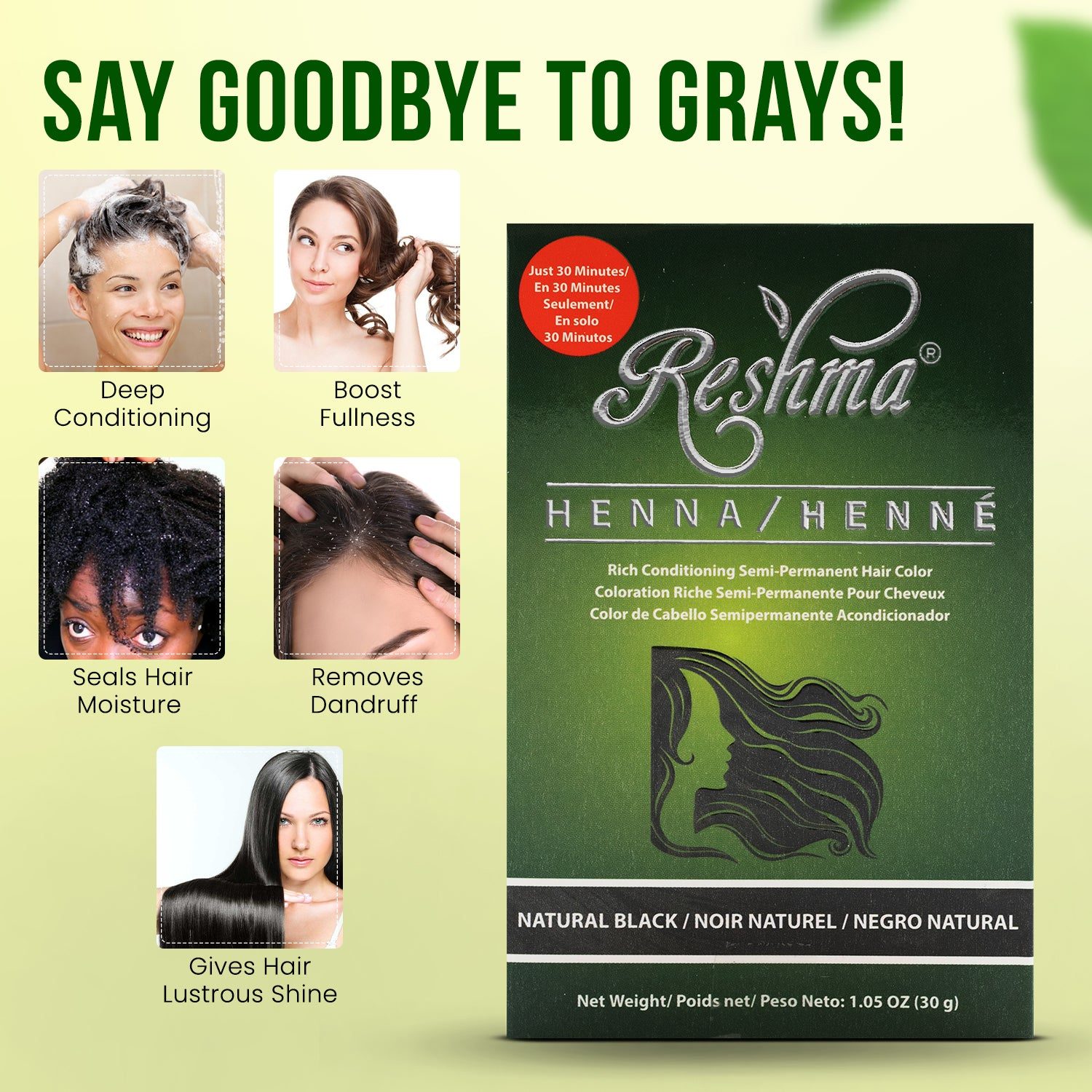
Black henna hair dye has become a popular choice for people seeking deep, rich color and effective gray coverage. However, not all black henna products are created equal. While natural henna has been used safely for centuries, so-called “black henna” often raises safety concerns due to hidden chemicals and misleading labels. Knowing how to identify safe black henna products—and when to avoid them altogether—can protect your hair, scalp, and overall health.
This guide breaks down what black henna really is, the risks involved, and how to make smarter, safer choices.
What Is Black Henna, Really?
Pure henna, derived from the Lawsonia inermis plant, produces reddish-brown to copper tones—not black. To achieve a jet-black color, many manufacturers add synthetic dyes or chemical agents to henna powder or paste. These additives are what turn natural henna into what’s commonly marketed as black henna hair dye.
Some black henna products use natural indigo along with henna to darken the shade safely. Others, however, rely on harsh chemicals to deliver instant, dramatic color—often at the cost of scalp and hair health.
The Hidden Risk: PPD and Other Chemicals
One of the biggest red flags in black henna products is PPD (p-Phenylenediamine). This chemical is commonly used in conventional hair dyes and is known to cause:
- Severe allergic reactions
- Scalp burns and blistering
- Hair breakage and thinning
- Long-term skin sensitivity
High concentrations of PPD are especially dangerous when applied directly to the scalp. Many “instant black henna” or “30-minute black henna” products contain PPD but do not clearly disclose it on the label.
Other chemicals to watch out for include ammonia, peroxide, metallic salts, and artificial colorants, which can damage hair structure and irritate sensitive skin.
How to Spot a Safe Black Henna Product
Choosing a safer black henna hair dye requires careful label reading and realistic expectations. Here’s what to look for:
1. Transparent Ingredient List
A trustworthy brand will clearly list all ingredients. Safe black henna formulations usually include:
- Henna (Lawsonia inermis)
- Indigo (Indigofera tinctoria)
- Herbal extracts or natural conditioners
Avoid products that use vague terms like “approved chemicals” or “color catalysts” without explanation.
2. Realistic Color Claims
If a product promises jet-black hair in 10–30 minutes, be cautious. Natural henna and indigo take time to oxidize and develop color. Safer black henna usually:
- Requires longer processing time
- Deepens gradually over 24–48 hours
- Produces a natural-looking black or very dark brown
Instant results often indicate chemical shortcuts.
3. Patch Test Instructions
Responsible brands strongly recommend patch testing. If a product skips this step or downplays it, that’s a warning sign. Patch testing is essential for detecting sensitivity, especially with darker dyes.
4. Zero-Ammonia, Zero-Peroxide Claims
While “zero-chemical” claims can be misleading, it’s still a good sign if the product explicitly states it comes without any:
- Ammonia
- Peroxide
- Alcohol
- Parabens
These ingredients are harsh on hair and scalp, especially with frequent use.
When to Avoid Black Henna Completely
In some cases, avoiding black henna hair dye altogether may be the safest option. Consider skipping it if:
- You have a history of allergic reactions to hair dyes
- You have eczema, psoriasis, or a sensitive scalp
- The product has no ingredient disclosure
- It stains skin instantly and intensely (often a sign of high PPD)
- It causes burning, itching, or redness within minutes of application
No hair color is worth risking chemical burns or long-term skin damage.
Natural Alternatives to Black Henna Hair Dye
If you want dark hair without harsh chemicals, consider these safer alternatives:
Henna + Indigo Method
This traditional two-step process uses natural plant powders to achieve black or deep brown shades. While it takes more time, it:
-
Strengthens hair
-
Adds natural shine
-
Improves thickness over repeated use
Dark Brown or Raven Shades
Opting for dark brown or raven-black tones instead of pitch black can reduce the need for strong additives while still delivering rich color.
How to Protect Yourself as a Consumer
- Always read labels carefully
- Buy from reputable brands with transparent sourcing
- Avoid products labeled “temporary tattoo henna” for hair use
- Never apply black henna on broken or irritated skin
- Space out applications to avoid buildup and dryness
Being informed is the best defense against unsafe formulations.
Final Thoughts
Black henna hair dye can be safe—or risky—depending entirely on what’s inside the product. Natural henna alone cannot produce black hair, so understanding how that color is achieved is crucial. By checking ingredients, avoiding instant-color claims, and respecting your scalp’s sensitivity, you can make healthier choices for your hair.
When in doubt, remember: slower, plant-based coloring is far safer than fast, chemical-heavy results. Your hair will thank you in the long run.
