

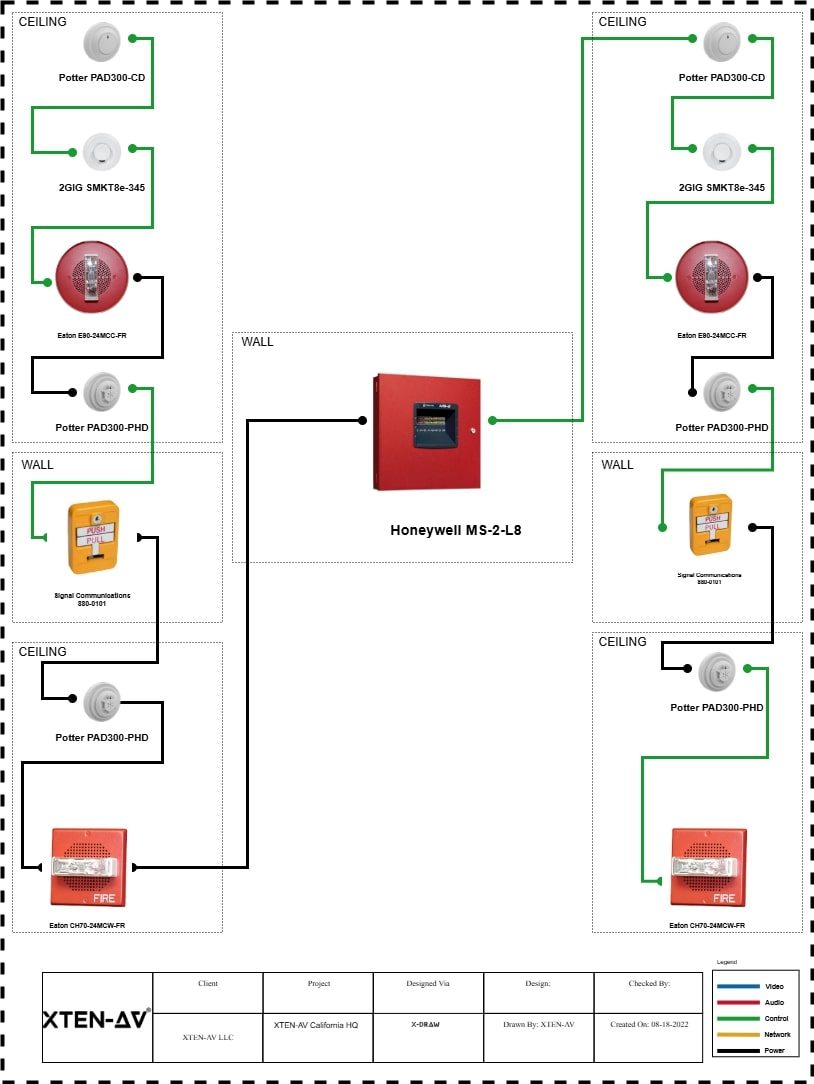
The world of security is evolving rapidly, driven by advancements in artificial intelligence, cloud connectivity, and automation. In 2025, designing a smart security system goes far beyond installing cameras or motion detectors. It involves integrating intelligent technologies that communicate seamlessly, analyze data in real time, and respond proactively to threats. A well-planned Security System Design ensures safety, efficiency, and long-term scalability for homes, businesses, and large facilities.
Whether you are an AV integrator, a security consultant, or a homeowner looking to upgrade your safety setup, understanding how to design a smart system step-by-step will help you achieve the perfect balance between innovation and reliability.
Understanding Smart Security Systems in 2025
Smart security systems today combine multiple layers of technology. These include smart cameras, AI-powered access control, cloud-based monitoring, IoT sensors, and automation tools that interact through a central management platform. What sets modern systems apart is intelligence—devices can recognize patterns, detect anomalies, and alert users in real time.
A successful Security System Design must therefore account for integration, scalability, and usability. In 2025, it is not just about protecting assets but also about creating a connected environment where safety meets convenience.
Assess Your Security Needs
Every security design project begins with a detailed assessment of needs and risks. Start by identifying the areas that require protection, such as entry points, hallways, data centers, or parking lots. Consider the type of property, the number of occupants, and the nature of potential threats.
For example, a small retail store might prioritize intrusion detection and video monitoring, while a large corporate campus may require biometric access control and network-based surveillance. Defining these needs early ensures that your Security System Design aligns with operational goals and user requirements.
Create a Site Map and Layout Plan
Once you have assessed your needs, create a detailed site map or digital layout of the space. Mark key points such as entrances, exits, restricted areas, and potential blind spots. This step helps in determining where to place cameras, sensors, and control panels.
With advanced design platforms like XTEN-AV, you can create accurate floor plans, visualize camera coverage, and simulate security zones before installation. This prevents overlap, ensures optimal device placement, and reduces installation errors.
Select the Right Components
A smart security system consists of several key components, each serving a unique purpose. Choosing the right combination is crucial for performance and scalability.
Cameras Modern cameras feature AI-driven analytics, night vision, and motion detection. They can identify faces, track movement, and send real-time alerts. In 2025, many models even integrate directly with cloud dashboards for remote monitoring.
Access Control Smart locks, biometric scanners, and keyless entry systems offer advanced protection. They can be managed remotely and integrated with user profiles to track access history.
Sensors Motion sensors, glass break detectors, and environmental sensors add an extra layer of safety by detecting unusual activity, fire, or smoke.
Alarm Systems Modern alarms are intelligent and connected. They can trigger specific actions, such as notifying authorities or shutting down systems in case of emergencies.
Network Infrastructure Since most devices connect over Wi-Fi or Ethernet, ensure your network can handle the bandwidth and security requirements of the system.
Integrate AI and Automation
Artificial intelligence and automation define the next generation of security systems. AI analyzes video feeds and sensor data to differentiate between real threats and false alarms. Automation allows systems to perform actions like locking doors or turning on lights when motion is detected.
Integrating AI-powered tools in your Security System Design makes it more responsive and reduces manual monitoring. For instance, facial recognition can identify authorized personnel, while predictive analytics can detect unusual patterns before incidents occur.
Plan for Centralized Control and Monitoring
A smart security system works best when all devices communicate through a unified platform. Centralized control ensures that data from cameras, sensors, and alarms is accessible in one place.
Cloud-based management dashboards allow users to monitor activity in real time, receive instant notifications, and control settings from anywhere. For larger projects, consider using an integrated security management platform that supports multiple sites and user roles.
Ensure Power Backup and Network Redundancy
No security system is complete without reliable power and network backup. Power outages or internet disruptions can make a system vulnerable. Always include uninterruptible power supplies (UPS) and backup internet connections in your design.
Additionally, choose devices that can operate in offline mode when needed, storing data locally until the connection is restored. This ensures continuous protection and data integrity.
Prioritize Cybersecurity and Data Protection
In 2025, security systems are as much about protecting data as they are about physical safety. Every connected device represents a potential entry point for cyber threats. Therefore, cybersecurity should be a top priority.
Use encrypted communication protocols, multi-factor authentication, and regular firmware updates to safeguard your network. Limit administrative access and ensure that all data storage complies with privacy regulations.
A secure network design not only protects your devices but also builds trust among users who rely on the system daily.
Test and Calibrate the System
Once installed, it is essential to test and calibrate each component. Check camera angles, sensor sensitivity, and alarm triggers. Conduct simulations to ensure the system responds correctly to different scenarios.
Document all settings and create a user guide for the client or users, detailing how to operate the system and handle alerts. Regular maintenance and software updates should also be scheduled to keep performance optimal.
Plan for Scalability and Future Expansion
A good Security System Design should be scalable. As technology evolves, you may want to add new devices or integrate with building management systems, IoT devices, or AI platforms. Choose modular systems and cloud-based solutions that allow easy upgrades without overhauling the entire infrastructure.
Future-proofing your design ensures long-term value and reduces replacement costs.
Conclusion
Designing a smart security system in 2025 requires more than just technical know-how. It demands a deep understanding of integration, automation, and data-driven intelligence. By following a step-by-step approach—from assessing risks to selecting components and implementing AI—you can build a system that offers unmatched safety and efficiency.
XTEN-AV simplifies the process with advanced design and project management tools that help professionals create precise, scalable, and future-ready security systems. With the right Security System Design, you can provide users with peace of mind and a seamless, intelligent experience that redefines modern protection.
Read more: https://avsyncstudio.wordpress.com/2025/10/07/top-cloud-fire-alarm-design-tools/
