

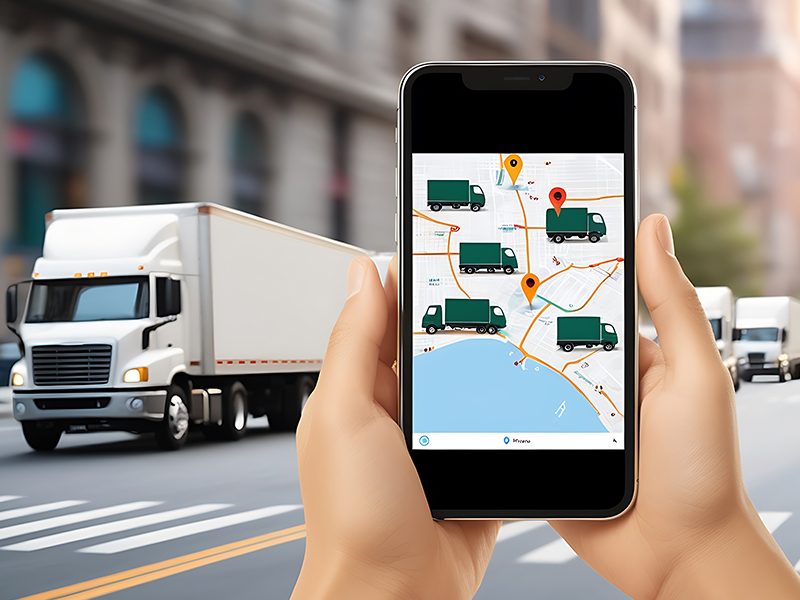
When selecting a fleet management software, businesses often focus primarily on features, pricing, and technical specifications. However, one critical factor that significantly impacts adoption and effectiveness is frequently overlooked: user experience (UX). The design and usability of GPS tracking software directly influence how quickly teams adapt to the system, how efficiently they can perform daily tasks, and ultimately, the return on investment the technology delivers. Superior user experience transforms complex data into actionable insights that drive better business decisions.
A well-designed fleet management software should be intuitive enough for new users to navigate confidently while powerful enough to meet the needs of experienced operators. The interface serves as the bridge between raw data and operational improvements, making its design crucial for maximizing the value of your fleet management investment. Understanding what constitutes excellent UX helps businesses choose solutions that their teams will actually use and benefit from.
Reduced Training Time and Costs:
Intuitive GPS tracking software for cars significantly decreases the time and resources required for training. When interfaces are logical and self-explanatory, new users can quickly learn to perform essential tasks without extensive formal training. This is particularly important for businesses with high employee turnover or those expanding their operations rapidly.
A fleet management system with poor UX, regardless of its technical capabilities, often requires continuous support and retraining. This hidden cost can substantially impact the total cost of ownership and delay the realization of benefits from the software implementation. Well-designed software pays dividends through reduced training overhead and faster user proficiency.
Improved Adoption Across User Roles:
Successful fleet management software must serve multiple stakeholders with different needs and technical competencies. Dispatchers need quick access to vehicle locations and status updates, managers require comprehensive reporting capabilities, and drivers benefit from simple mobile interfaces. A system that fails to meet the specific needs of any user group risks low adoption and compromised functionality.
When users find a system difficult or frustrating to use, they often develop workarounds or avoid using certain features altogether. This undermines the investment in the technology and can lead to inconsistent processes and data gaps. Excellent UX ensures that all user types can effectively utilize the system for their specific responsibilities.
Faster Decision-Making Through Clear Data Visualization:
In fleet management, timing is critical. A well-designed GPS tracking software presents information in a way that enables quick comprehension and decision-making. Clear visual hierarchies, intuitive color coding, and logical information grouping help users identify important alerts and trends without unnecessary cognitive load.
Modern fleet management system platforms transform complex data into easily understandable visual formats. Interactive maps, dashboard widgets, and customizable reports allow users to quickly assess situations and take appropriate action. This visual clarity is especially valuable in high-pressure situations where rapid response is essential.
Mobile Experience for On-the-Go Management:
With the increasing mobility of workforce management, the mobile user experience of fleet management software has become equally important as the desktop interface. Mobile applications must provide essential functionality in a format optimized for smaller screens and touch interactions, while maintaining consistency with the full desktop experience.
Drivers and field managers need access to critical information without navigating complex menus or waiting for slow-loading pages. A responsive mobile design ensures that users can perform necessary tasks efficiently regardless of their location or device, supporting the dynamic nature of modern fleet operations.
Customization and Personalization Capabilities:
Every business has unique workflows and information priorities. Excellent GPS tracking software provides flexibility for users to customize their interface to match their specific needs. This might include customizable dashboards, saved report templates, configurable alert settings, and personalized notification preferences.
The ability to personalize the interface allows users to streamline their most frequent tasks and focus on the information most relevant to their roles. This adaptability significantly enhances productivity and user satisfaction by eliminating the need to repeatedly navigate through irrelevant screens or data.
Accessibility and Inclusivity Considerations:
Modern fleet management system design must account for diverse user needs, including those with visual, auditory, or motor impairments. Features like keyboard navigation, screen reader compatibility, color-blind friendly palettes, and adjustable text sizes ensure that all team members can effectively use the software.
Beyond compliance with accessibility standards, inclusive design principles benefit all users by creating more flexible and robust interfaces. These considerations demonstrate a commitment to supporting all employees and can expand the pool of potential users within an organization.
Consistency and Predictability in Interface Design:
Consistent design patterns throughout fleet management software reduce cognitive load and help users build mental models of how the system works. When similar actions produce predictable results across different sections of the application, users can work more efficiently and with greater confidence.
Platforms like Flotilla Iot prioritize consistent navigation, standardized control elements, and uniform terminology throughout their interfaces. This coherence makes the software feel more polished and professional while reducing user errors and frustration.
Conclusion
User experience is not merely a superficial concern in GPS tracking software selection—it’s a fundamental factor that determines how effectively your team will utilize the system’s capabilities. A well-designed fleet management system enhances productivity, accelerates adoption, and maximizes return on investment by making complex data accessible and actionable. When evaluating potential solutions, businesses should prioritize UX alongside feature lists and pricing, recognizing that the most powerful features are worthless if users cannot or will not use them effectively.
Read More: complete guide on fleet management software
