

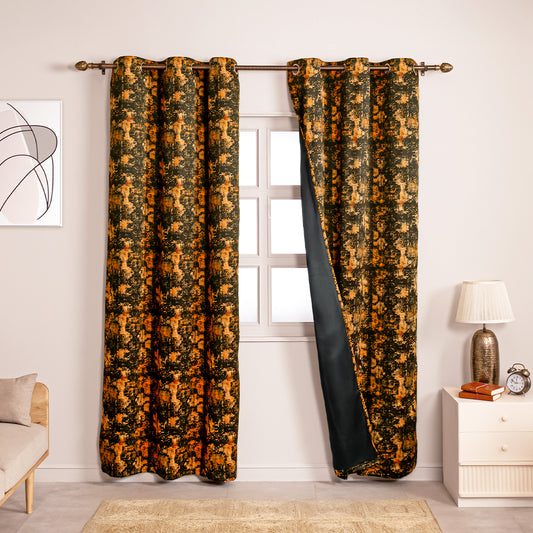
A good night’s sleep isn’t just about hitting the bed on time or counting sheep—it’s about creating the perfect environment that encourages your body and mind to relax. One often overlooked factor that can dramatically improve your sleep quality is your bedroom setup, and more specifically, the role of blackout curtains. These simple pieces of fabric do a lot more than just cover your windows—they can directly influence how well you sleep, your mood, and even your overall health.
Let’s dive into why blackout curtains are more than just a decorative choice and how they can help you enjoy better sleep.
How Light Affects Sleep
Sleep isn’t just about feeling tired—it’s about the rhythm your body naturally follows, also known as your circadian rhythm. This internal clock is heavily influenced by light. When it gets dark, your body produces melatonin, the hormone that tells your brain it’s time to sleep. Conversely, exposure to light, especially artificial light at night or early morning sun streaming in through windows, can disrupt this process.
This is where blackout curtains come in. They block out unwanted sunlight, street lights, or even early morning glare, helping your body maintain its natural sleep-wake cycle. By controlling light exposure, you can fall asleep faster, stay asleep longer, and wake up feeling more refreshed.
Benefits of Blackout Curtains for Sleep
-
Reduced Disturbances: If you live in a city, traffic lights, neon signs, or car headlights can disturb your sleep. Blackout curtains act as a barrier, keeping your room dark and calm.
-
Enhanced Deep Sleep: Darkness signals your body to produce melatonin, which is crucial for deep, restorative sleep. Without proper darkness, your sleep cycles can be interrupted, leaving you groggy in the morning.
-
Temperature Regulation: Some blackout curtains are also thermal insulated. They help keep your room cooler in summer and warmer in winter, making it easier for your body to maintain a comfortable sleeping temperature—a factor that significantly impacts sleep quality.
-
Noise Reduction: Thick blackout curtains can also absorb some noise, creating a quieter, more peaceful environment conducive to uninterrupted sleep.
Choosing the Right Blackout Curtains
Not all blackout curtains are created equal, so selecting the right ones for your bedroom matters.
-
Material Matters: Heavier fabrics block more light and help with insulation. Polyester blends or layered curtains are often effective.
-
Proper Fit: Curtains that cover the window completely, ideally with extra width and height, prevent light from sneaking in through the edges.
-
Style and Color: While dark colors block light effectively, modern fabrics can provide the same blackout effect in lighter shades, giving you flexibility in décor.
Placement and Layering
For optimal results, it’s not just about hanging a curtain—it’s about placement. Mounting your blackout curtains slightly above the window frame and extending beyond the edges ensures minimal light leakage.
Some people also layer sheer curtains underneath. During the day, you can draw the blackout layer aside to let natural light in while maintaining privacy with the sheer curtain. At night, the blackout curtain ensures complete darkness, perfect for sleep.
Special Considerations
-
Shift Workers: If you work night shifts and sleep during the day, blackout curtains are a innovator. They allow you to mimic nighttime conditions regardless of the sun outside.
-
Light-Sensitive Sleepers: People who wake up easily at the first hint of light benefit immensely from a fully darkened room.
-
Children and Infants: Young kids often sleep better in darker environments. Blackout curtains help create a consistent sleep setting, which can improve bedtime routines.
Other Sleep-Enhancing Tips with Blackout Curtains
While blackout curtains significantly improve sleep, combining them with other habits can amplify their benefits:
-
Keep a consistent bedtime: Darkness cues your body to produce melatonin, but consistency strengthens your sleep-wake cycle.
-
Limit screen time: Even with blackout curtains, the blue light from phones or TVs can interfere with sleep.
-
Maintain a comfortable temperature: Pair thermal blackout curtains with proper bedding to optimize comfort.
Conclusion
The science is clear: light plays a critical role in regulating sleep, and blackout curtains provide an effective, simple solution to control your sleep environment. Beyond blocking light, they improve deep sleep, regulate room temperature, reduce noise, and help maintain a consistent sleep cycle.
Whether you’re a light sleeper, a city dweller, or someone simply looking to improve your rest, investing in quality blackout curtains can transform your bedroom into a true sanctuary for sleep. By combining functionality with style, they offer one of the easiest ways to enhance sleep quality and overall well-being.
