

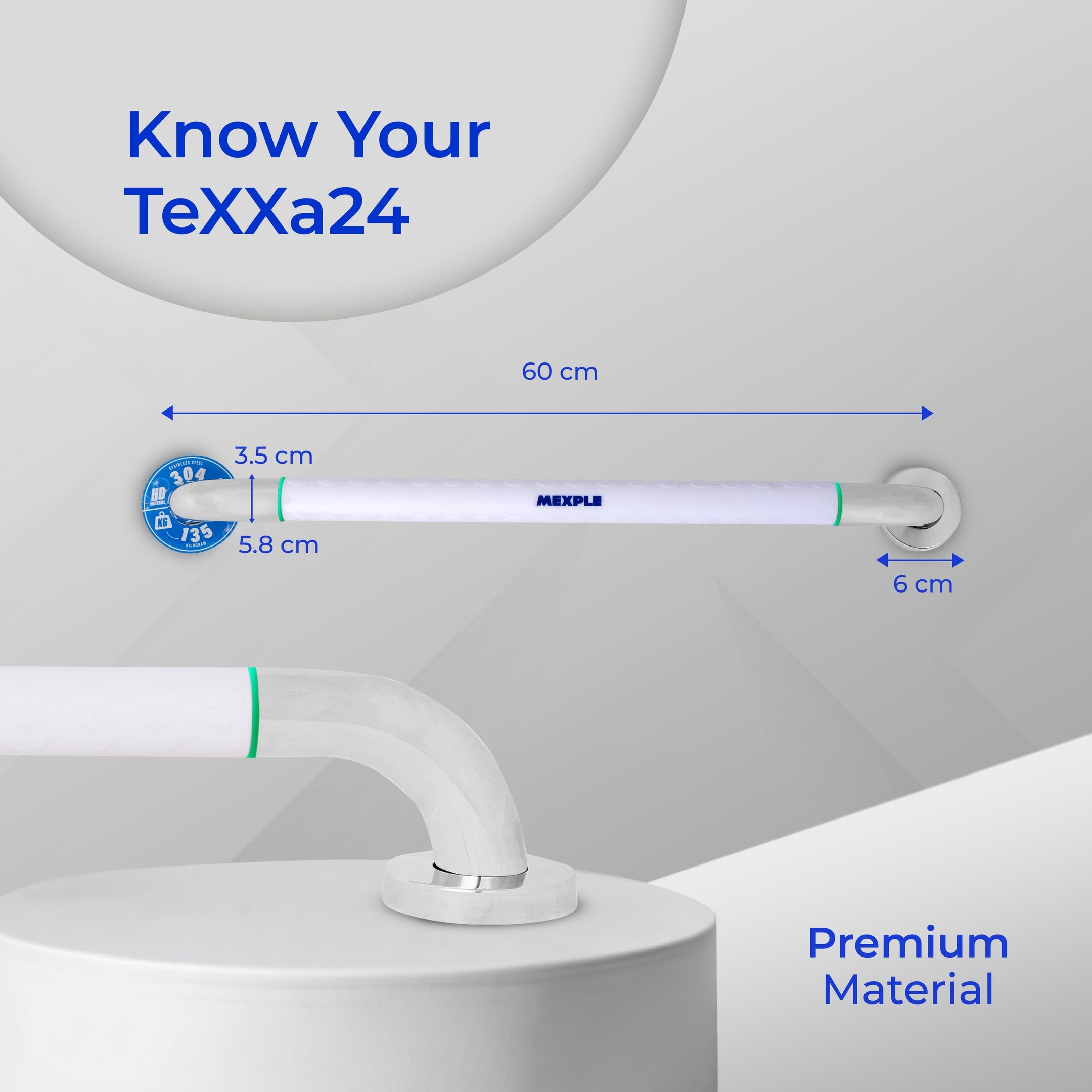
Bathrooms are among the most accident-prone areas in homes, hospitals, and public facilities. Slippery floors, wet surfaces, and limited space make them particularly hazardous for senior citizens, individuals with disabilities, and those recovering from surgeries. A simple yet highly effective solution to reduce these risks is the installation of grab bars. These sturdy support devices provide stability, balance, and confidence to users, ensuring greater safety in everyday routines. But are grab bars legally required in bathrooms in India? Let’s explore the safety standards, their importance, and best practices.
Why Are Grab Bars Important?
Grab bars are not just accessories; they are safety essentials. They act as reliable support when sitting, standing, or moving in potentially slippery areas. Here’s why they are so valuable:
- Fall Prevention: Bathrooms are the leading location for fall-related accidents, especially among older adults. Grab bars offer a secure handhold to prevent slips.
- Mobility Support: For those with arthritis, balance issues, or post-surgery recovery, grab bars make everyday tasks safer and more manageable.
- Independence: They reduce reliance on caregivers, giving individuals more privacy and confidence while using the bathroom.
- Accessibility: Grab bars are vital in creating inclusive spaces for people with disabilities, ensuring compliance with accessibility norms.
Safety Standards and Regulations in India
In India, there are guidelines and recommendations rather than universally enforced mandates when it comes to grab bars in bathrooms. These are primarily derived from accessibility and building codes.
1. Rights of Persons with Disabilities Act, 2016 (RPwD Act)
This law emphasizes the need for accessibility in public and private spaces for persons with disabilities. Bathrooms in public buildings, hotels, hospitals, and transportation hubs are expected to follow universal design standards, which include installing grab bars.
2. Harmonized Guidelines and Standards for Universal Accessibility (CPWD, 2021)
Issued by the Central Public Works Department (CPWD), these guidelines highlight how bathrooms should be designed for universal accessibility. They recommend:
- Horizontal grab bars near toilets.
- Vertical grab bars near basins and urinals.
- Grab bars in shower and bathing areas.
3. National Building Code (NBC) of India
The NBC provides design requirements for accessible toilets in public spaces. While not strictly enforced in every home, it mandates accessible bathroom features—including grab bars—in public facilities, commercial buildings, and healthcare centers.
4. Hospitals and Care Facilities
In healthcare settings, installing grab bars is considered essential safety infrastructure. Hospitals, rehabilitation centers, and eldercare homes are expected to have them in bathrooms to meet safety and patient care requirements.
Do You Need Grab Bars in Home Bathrooms?
While Indian law does not make grab bars mandatory for private homes, installing them is highly recommended in certain cases:
- For Elderly Parents or Relatives: Prevents bathroom falls, which are a leading cause of fractures among seniors.
- For Post-Surgery Recovery: Individuals recovering from knee replacement, hip surgery, or mobility-related issues benefit from added support.
- For People with Disabilities: Essential for accessibility and independence.
- For Families with Children: Grab bars provide stability when kids transition from toddler to early school age.
Even in small apartments or compact bathrooms, modern grab bars are available in space-saving designs that blend with the décor while adding vital safety.
Types of Grab Bars Suitable for Indian Bathrooms
When considering installation, you can choose from different types based on your needs and bathroom layout:
- Wall-Mounted Horizontal Grab Bars: Installed beside toilets or bathtubs for side support.
- Vertical Grab Bars: Ideal near basins or entry points for balance while stepping in.
- Angled Grab Bars: Provide a natural grip for sitting and standing motions.
- Foldable Grab Bars: Perfect for compact bathrooms where space is limited.
Best Practices for Installing Grab Bars
To ensure safety and compliance with standards, consider the following tips:
- Correct Height Placement:
Beside toilets: 33–36 inches from the floor.
In showers: 33–36 inches horizontally, with a vertical option near the entrance.
- Secure Installation: Must be anchored to wall studs or reinforced surfaces to handle weight and pressure.
- Non-Slip Surface: Choose textured or anti-slip finishes for a reliable grip, even when wet.
- Weight Capacity: Opt for bars that can support at least 100–150 kg.
- Professional Installation: While DIY options exist, professional installation ensures proper alignment and safety.
Conclusion
While grab bars are not legally required in private Indian homes, they are strongly recommended for safety, accessibility, and peace of mind—especially for the elderly, people with disabilities, and those with reduced mobility. Public spaces, hospitals, and institutions are expected to comply with accessibility guidelines that include grab bars as standard.
By installing high-quality grab bars, you are not only complying with best practices but also creating a safer and more inclusive environment. Ultimately, it’s a small investment that can make a big difference in preventing accidents and promoting independence.
