

Zirconium chloride is an important chemical compound that plays a key role in science, technology, and industrial applications. Known for its interesting chemical properties and wide usage, zirconium chloride has become a compound that researchers and industries rely on. This article will explain what zirconium chloride is, its properties, methods of production, applications, benefits, and safety considerations, all in simple and easy-to-understand language.
What is Zirconium Chloride?
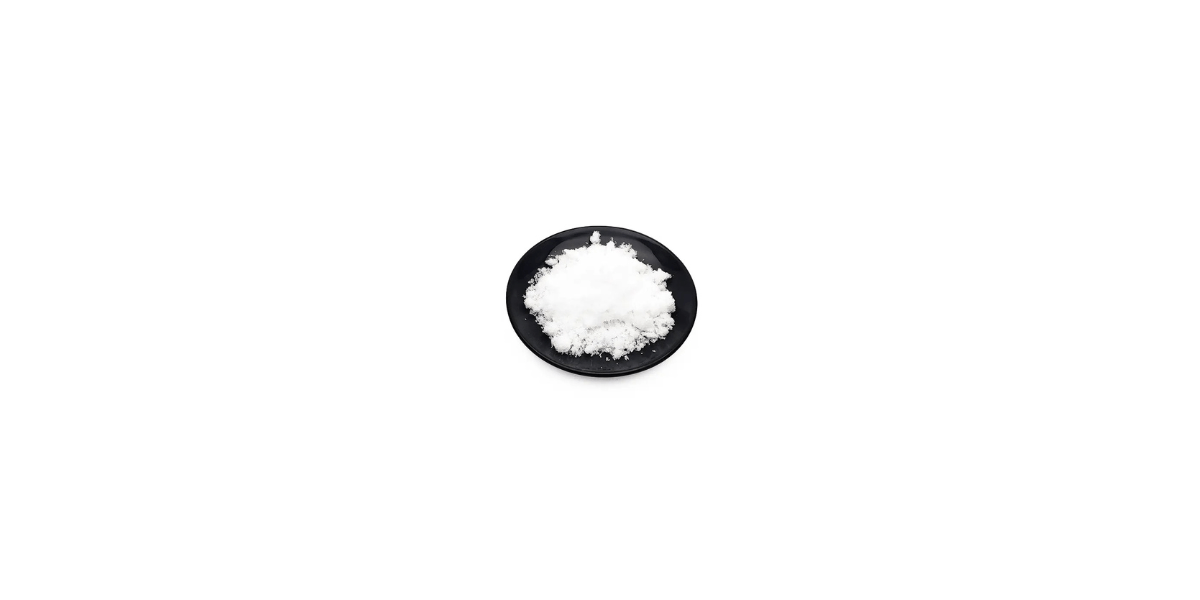
Zirconium chloride is an inorganic compound made from zirconium and chlorine. It is most commonly found in the form zirconium tetrachloride (ZrCl₄), which is the most stable and widely used type. In its solid state, zirconium chloride is usually white or colorless and has a crystalline appearance. It dissolves in water and reacts quickly with moisture in the air, making it a reactive compound that must be stored carefully.
Physical and Chemical Properties
Zirconium chloride has unique physical and chemical characteristics that make it valuable for different uses. Some key properties include:
-
Appearance: White or colorless crystalline solid.
-
Solubility: Dissolves easily in water and reacts strongly with moisture.
-
Reactivity: Reacts with water to produce hydrochloric acid and zirconium oxide.
-
Structure: In solid form, zirconium chloride molecules are arranged in a layered structure, which affects its chemical behavior.
-
Volatility: Zirconium tetrachloride can be turned into vapor at relatively high temperatures, making it useful in chemical vapor deposition processes.
Because of these properties, zirconium chloride is seen as both versatile and reactive, making it an excellent material for industrial and scientific use.
Methods of Production
Zirconium chloride is produced using several different chemical processes. The most common method is the direct reaction between zirconium oxide and chlorine gas in the presence of carbon. This reaction produces zirconium tetrachloride, which can then be purified for different uses.
Another way to make zirconium chloride is by reacting zirconium metal directly with chlorine gas at high temperatures. This method is often used when a very pure form of zirconium chloride is required.
Applications of Zirconium Chloride
Zirconium chloride has a wide range of applications across industries. Its reactivity and chemical behavior make it useful in different fields, including:
1. Metallurgy
One of the main uses of zirconium chloride is in the production of zirconium metal. It serves as an intermediate compound in extracting pure zirconium. By reducing zirconium chloride with magnesium or sodium, industries can obtain zirconium metal, which is highly valued for its resistance to corrosion and heat.
2. Nuclear Industry
Zirconium metal produced from zirconium chloride is widely used in the nuclear industry. It is an ideal material for making cladding in nuclear reactors because it does not absorb neutrons easily and can withstand high temperatures. This makes zirconium chloride an indirect but crucial compound in nuclear energy.
3. Ceramics and Glass
Zirconium compounds made from zirconium chloride are used in the ceramics and glass industry. They help improve the strength, durability, and heat resistance of ceramic products. This includes tiles, glass coatings, and heat-resistant ceramics.
4. Catalysts in Chemical Reactions
Zirconium chloride is also used as a catalyst in different chemical reactions. It helps speed up reactions in organic and inorganic chemistry, especially in polymerization and synthesis processes.
5. Electronics and Coatings
Because of its ability to form thin protective layers, zirconium chloride is used in the electronics industry. It is applied in coatings that protect sensitive electronic devices from corrosion and heat.
6. Pigments and Dyes
Some zirconium compounds derived from zirconium chloride are used in pigments and dyes. These compounds provide bright and stable colors that are resistant to fading and high temperatures.
7. Research and Laboratory Use
In laboratories, zirconium chloride is used for research purposes. Scientists use it to study chemical reactions, synthesize new materials, and develop innovative applications.
Advantages of Zirconium Chloride
Zirconium chloride provides many advantages, which explain its popularity in different industries:
-
Versatility: Can be used in metallurgy, ceramics, electronics, and nuclear applications.
-
High reactivity: Acts as a strong catalyst and reacts with many substances to form useful compounds.
-
Stability of zirconium products: Compounds derived from zirconium chloride, like zirconium oxide, are highly stable and durable.
-
Essential in nuclear safety: Helps produce zirconium metal, which is vital in nuclear reactor design.
Safety and Handling
Although zirconium chloride is highly useful, it must be handled with care because of its reactivity. Some important safety points include:
-
Reaction with Water: Zirconium chloride reacts strongly with water to release hydrochloric acid, which is corrosive and harmful. It must be kept in dry, airtight containers.
-
Health Hazards: Direct contact with zirconium chloride can cause skin irritation, eye damage, and respiratory problems if inhaled.
-
Storage Conditions: Should be stored in cool, dry places away from moisture and incompatible chemicals.
-
Protective Equipment: When handling zirconium chloride, gloves, safety glasses, and protective clothing are recommended.
Environmental Impact
Zirconium chloride itself is not widely considered harmful to the environment when properly contained. However, if released into water sources, it can react to form hydrochloric acid, which may affect aquatic life. For this reason, industries that use zirconium chloride follow strict guidelines for disposal and handling to prevent environmental harm.
Future Potential
The future of zirconium chloride looks promising as industries continue to develop new technologies. Some potential areas of growth include:
-
Advanced Nuclear Reactors: Continued use in the production of zirconium for safe nuclear energy.
-
Nanotechnology: Research into zirconium-based nanomaterials for coatings, catalysts, and electronics.
-
Green Chemistry: Development of eco-friendly catalysts using zirconium chloride to support sustainable manufacturing.
-
High-Performance Materials: Expansion in aerospace and defense industries where lightweight, heat-resistant materials are required.
Conclusion
Zirconium chloride is more than just a chemical compound. It is a gateway to producing high-performance materials that industries depend on. From helping to generate clean nuclear energy to improving ceramics, glass, and electronics, zirconium chloride plays a silent but powerful role in modern technology. Its properties make it versatile, while its challenges, such as handling and storage, remind us of the importance of safety.
As technology continues to advance, zirconium chloride will remain an essential material, shaping the future of energy, materials science, and industry. Understanding its uses and importance gives us a clearer picture of how vital this compound is in our daily lives and global progress.
