

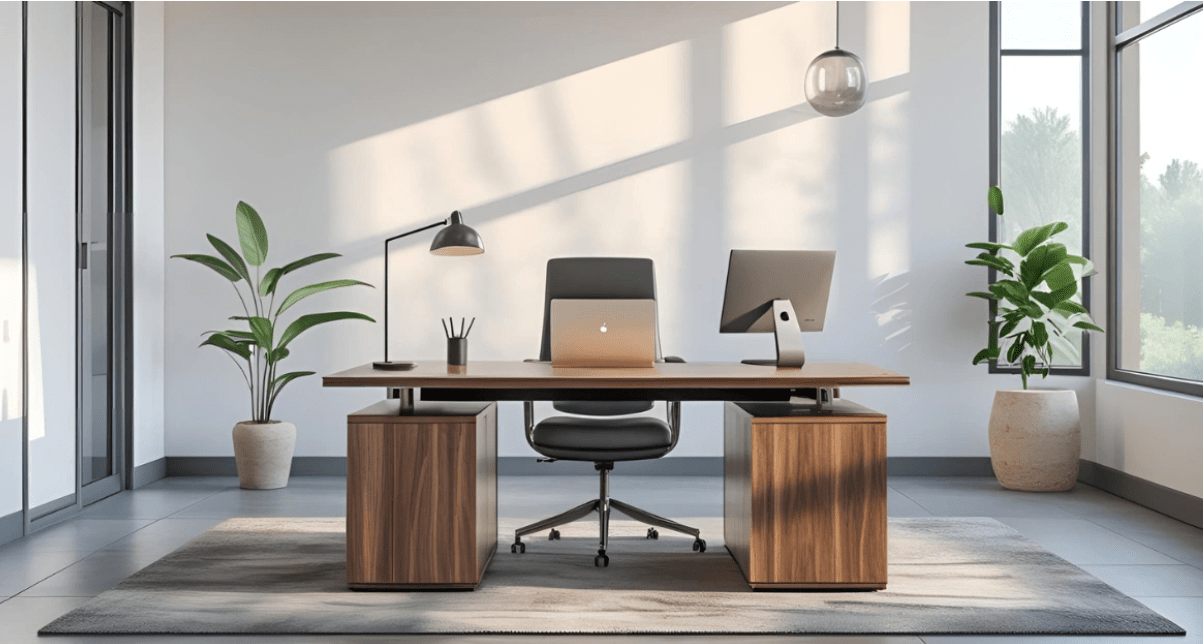
A workspace shapes not just your work habits but also your mindset. A minimalistic office can transform your environment, reduce distractions, and enhance productivity. Minimalism isn’t just a trend—it’s a strategy for achieving focus and clarity in professional tasks.
Understanding the Minimalistic Office Concept
A minimalistic office prioritizes simplicity, clean lines, and functionality. It removes unnecessary items, allowing only essential tools and furniture. This approach creates an environment where focus and creativity can flourish. By reducing clutter, you also reduce mental fatigue and decision overload.
Selecting Furniture for Your Minimalistic Office
The furniture in a minimalistic office should be practical, stylish, and unobtrusive. Desks with clean surfaces, ergonomic chairs, and streamlined storage solutions are ideal. Floating shelves, slim cabinets, and multifunctional pieces reduce visual clutter while keeping your workspace organized and efficient.
Declutter and Organize Strategically
Clutter is the enemy of productivity. In a minimalistic office, evaluate what is essential and remove everything unnecessary. Store documents digitally when possible, and use storage solutions like drawers or organizers for physical items. A tidy workspace not only looks better but also promotes focus and efficiency.
Optimizing Color and Lighting
Color and lighting are critical elements in a minimalistic office. Neutral tones such as white, beige, or gray create a calm, distraction-less environment. Accents can add essence without overwhelming the space. Natural light is ideal for boosting energy and mood, while soft artificial lighting ensures comfort during extended work hours.
Integrating Technology Wisely
Technology should simplify, not complicate, a minimalistic office. Use wireless devices and manage cables to reduce clutter. Invest in multifunctional tools and ensure that only necessary gadgets occupy your workspace. This approach helps maintain a clean look while supporting productivity and workflow efficiency.
Adding Unique Touches
Even a minimalistic office can reflect your identity. Choose a few meaningful items, such as a small plant, artwork, or a photo. These touches make your workspace inviting and comfortable without compromising the clean and organized aesthetic.
Maintaining Your Minimalistic Office
Consistency is key to sustaining a minimalistic office. Regularly declutter and return items to their designated places. Assess your workspace periodically to prevent unnecessary accumulation. Maintaining a minimalistic office ensures that your environment continues to foster focus and productivity.
Benefits of a Minimalistic Office
A minimalistic office has tangible benefits. It reduces distractions, improves mental clarity, and encourages efficiency. Employees and individuals working from home report feeling calmer and more motivated in simplified spaces. Investing in a minimalistic design ultimately enhances creativity, focus, and overall work satisfaction.
Conclusion
Creating a minimalistic office is more than an aesthetic choice; it is a practical strategy for achieving productivity and mental clarity. By selecting functional furniture, maintaining organization, optimizing lighting, and incorporating touches thoughtfully, your workspace can become a hub for focus and efficiency. Start small, remain disciplined, and experience the transformative effects of a clutter-less office environment.
