

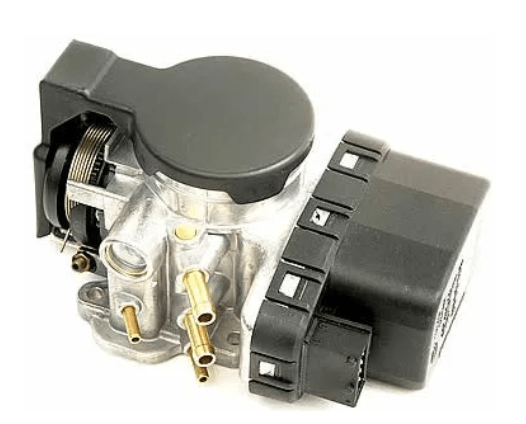
Every vehicle engine relies on precise control to run smoothly. From the fuel it consumes to the air it breathes, balance is the key to efficiency and power. At the heart of this balancing act lies a component most drivers rarely hear about: the throttle body. Though hidden within the engine bay, this part plays a critical role in how your car accelerates, idles, and performs under varying conditions.
What Exactly Is a Throttle Body?
The throttle body is a key part of the intake system. Its main function is to regulate how much air enters the engine. Imagine your lungs—when you take a deep breath, you expand your chest to draw in more air. Similarly, when you press down on the accelerator, the throttle body opens wider, allowing more air into the engine’s cylinders. The result: more combustion, more power, and quicker acceleration.
Physically, the throttle body is typically a cylindrical housing fitted with a flat, rotating plate (the butterfly valve). By adjusting its angle, the plate either restricts or increases airflow.
How It Works in Modern Engines
The throttle body doesn’t operate in isolation. In fact, its role is tightly integrated with the vehicle’s electronic control systems. Here’s how the process unfolds:
- Pedal Input: The driver presses the accelerator pedal.
- Signal Transmission: In modern cars, this sends an electronic signal to the engine control unit (ECU).
- Plate Adjustment: The ECU commands the throttle actuator motor to open or close the plate.
- Air-Fuel Balance: The ECU calculates how much fuel to inject, based on airflow.
- Combustion: The balanced mix of air and fuel ignites in the cylinders, powering the engine.
This happens instantly and continuously, adapting to your driving style, load conditions, and even climate.
Types of Throttle Bodies
Over the years, throttle body designs have evolved. The main types include:
- Cable-Operated Throttle Body: A direct mechanical link between the pedal and throttle plate. Found in older vehicles.
- Electronic Throttle Body (Drive-by-Wire): Uses sensors and actuators instead of cables, allowing finer control. Standard in modern vehicles.
- Dual or Twin Throttle Bodies: Installed in performance-oriented engines to maximize airflow.
- Variable Throttle Systems: Adjust automatically depending on speed or selected drive modes.
Each type reflects a step forward in engineering, aiming to improve responsiveness and efficiency.
Key Components
Though compact, the throttle body includes several parts that must work together:
- Butterfly Valve (Throttle Plate): Regulates airflow.
- Throttle Position Sensor (TPS): Measures the plate’s angle and sends feedback to the ECU.
- Electronic Actuator: Moves the plate in drive-by-wire systems.
- Idle Control Valve: Maintains smooth idling when the pedal isn’t pressed.
- Housing: The casing that directs airflow into the intake manifold.
A malfunction in any of these elements can lead to noticeable performance issues.
Why the Throttle Body Matters
The throttle body influences more than acceleration. Its impact stretches across multiple aspects of vehicle performance:
- Engine Responsiveness: Determines how quickly the engine reacts when you press the pedal.
- Fuel Economy: Helps maintain the ideal air-to-fuel ratio for efficient combustion.
- Emissions Control: Reduces pollutants by ensuring complete burning of fuel.
- Idle Quality: Keeps the engine steady when idling, avoiding stalling or surging.
- Driving Experience: Smooth transitions between power demands make the car easier and more enjoyable to drive.
Common Symptoms of Trouble
Like any engine component, throttle bodies can develop issues over time. Signs of a problem often include:
- Engine idling roughly or inconsistently.
- Noticeable hesitation during acceleration.
- Increased fuel consumption.
- Check engine light activation.
- Stalling at low speeds or during idle.
These symptoms usually occur because of airflow restrictions or faulty sensors.
Why Problems Arise
Several factors contribute to throttle body issues:
- Carbon Build-Up: Residue from fuel vapors coats the plate and housing, limiting airflow.
- Sensor Malfunction: A faulty TPS sends incorrect data, confusing the ECU.
- Electrical Issues: In electronic systems, actuator or wiring faults disrupt plate movement.
- Wear and Tear: Moving parts degrade with age, affecting accuracy.
Addressing these issues early helps prevent larger engine complications.
Preventing Throttle Body Issues
While throttle bodies don’t require constant attention, preventive measures extend their lifespan:
- Replace air filters at regular intervals.
- Use high-quality fuel to minimize deposits.
- Allow the engine to warm up properly before demanding high performance.
- Have intake components inspected during routine maintenance.
These small habits help ensure consistent airflow and balanced combustion.
The ECU-Throttle Connection
Modern throttle bodies are inseparable from the ECU. This electronic brain monitors dozens of variables, from oxygen levels in the exhaust to engine temperature, and uses this data to instruct the throttle body.
For example, when climbing a hill, the ECU may command a wider throttle opening to deliver more power, while at cruising speed, it fine-tunes the plate to save fuel. This partnership is what makes modern engines both powerful and efficient.
When to Seek Professional Help
Because throttle body issues mimic other engine problems, accurate diagnosis is essential. If your vehicle shows warning signs—such as inconsistent idle, reduced acceleration, or the check engine light—it may be time to find a specialist near you who can perform a proper inspection.
Looking Ahead: The Future of Throttle Bodies
As automotive technology advances, throttle bodies continue to evolve. In performance cars, dual-throttle setups maximize horsepower, while in economy-focused vehicles, precise electronic control prioritizes efficiency.
Hybrid engines still rely on throttle bodies for combustion balance, though pure electric vehicles do away with them altogether. Future developments are likely to bring even smarter integration with adaptive driving systems, further enhancing both performance and fuel savings.
Conclusion
The throttle body may not get much attention, but it’s one of the most important components for a healthy, efficient engine. Acting as the gatekeeper of airflow, it ensures that every combustion cycle is balanced and effective.
By regulating how much air enters the engine, it directly shapes fuel economy, emissions, acceleration, and overall driving comfort. Understanding its role helps drivers appreciate the unseen work that makes every journey smoother and more reliable.
