

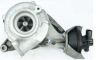
The turbocharger has transformed the way engines deliver power and efficiency. By harnessing exhaust gases to compress incoming air, turbos allow engines to generate impressive performance without significantly increasing fuel consumption. However, like any precision-engineered component, turbochargers are not immune to wear. Over time, they can lose efficiency or fail altogether. This is where the concept of turbo recondition provides a practical, sustainable, and cost-conscious alternative.
Why Turbos Are Essential in Modern Engines
Turbos are no longer reserved for high-performance sports cars; they are now standard in everyday vehicles, commercial trucks, agricultural machinery, and even marine engines. Their popularity comes down to three main factors:
- Improved Power-to-Weight Ratio: Smaller engines with turbos can deliver the same performance as larger, naturally aspirated ones.
- Fuel Efficiency: By maximising combustion, turbos help engines use less fuel for the same amount of work.
- Emission Reduction: Enhanced combustion reduces the amount of unburnt fuel and harmful gases released into the environment.
Without a functioning turbocharger, an engine may feel sluggish, burn more fuel, and emit higher levels of pollutants.
The Nature of Turbo Wear
Although designed to withstand extreme conditions, turbochargers are constantly subjected to high temperatures, rapid rotational speeds, and fluctuating pressures. Over time, these conditions take their toll. Common causes of turbo wear include:
- Thermal Fatigue: Heat cycling weakens metal surfaces and components.
- Lubrication Issues: Contaminated or insufficient oil accelerates bearing and shaft wear.
- Foreign Object Damage: Small particles entering the intake or exhaust can scar turbine blades.
- High Boost Loads: Engines tuned for extra performance place added strain on the turbo system.
Even the smallest imbalance or wear point can have a domino effect, reducing efficiency and potentially leading to engine complications.
Understanding Turbo Recondition
Turbo recondition refers to restoring a worn or underperforming turbocharger to its optimal state. Instead of discarding the entire unit, components are carefully assessed, cleaned, repaired, or replaced where necessary. The aim is to ensure the reconditioned turbo can once again deliver reliable performance, often with durability close to that of a new unit.
This approach aligns with modern principles of resource efficiency. Rather than replacing an entire system prematurely, recondition maximises the value of existing parts while maintaining high performance standards.
Why Choose Turbo Recondition?
There are several compelling reasons why reconditioning a turbocharger is a preferred choice for many vehicle owners and industries:
1. Performance Restoration
Engines rely heavily on properly functioning turbos for consistent power delivery. Reconditioning restores lost performance, ensuring smoother acceleration and improved driving dynamics.
2. Cost-Effective Alternative
While a brand-new turbo can be a significant investment, reconditioning extends the life of the current unit, offering a smarter and more economical solution.
3. Environmental Responsibility
Reusing materials through reconditioning reduces waste and manufacturing demand, contributing to lower environmental impact.
4. Reliability and Safety
When handled by professionals, a reconditioned turbo meets rigorous standards, offering reliability comparable to a factory-fresh part.
Signs That Turbo Recondition May Be Needed
Turbos rarely fail without warning. Drivers and operators should be attentive to early symptoms that indicate reduced performance or damage. These include:
- Unusual whistling or whining sounds from the engine bay.
- Excessive smoke emissions, particularly black or blue smoke.
- Noticeable drops in power, especially during acceleration.
- Unexplained oil consumption or visible leaks.
- Warning indicators on the dashboard related to air pressure or engine efficiency.
Recognising these signals early can prevent further engine complications and increase the likelihood of a successful recondition.
Applications Across Different Sectors
Turbo recondition is not limited to personal vehicles—it plays a crucial role across multiple industries:
- Automotive: Passenger cars and light trucks benefit from restored performance and fuel economy.
- Commercial Transport: Fleet operators minimise downtime and maintain reliability with reconditioned turbos.
- Agriculture: Farming machinery equipped with turbos continues delivering dependable performance during peak seasons.
- Construction and Mining: Heavy equipment relies on durable turbos, and recondition extends service life in demanding environments.
- Marine: Boats and ships regain efficiency and reduce emissions, ensuring reliable operation at sea.
Professional Expertise Makes the Difference
Turbochargers are delicate systems requiring precise balance and engineering knowledge. Attempting a do-it-yourself fix often leads to more harm than good. Professional specialists have access to advanced diagnostic and testing equipment, ensuring that reconditioned turbos meet strict operational standards.
It is always advisable to Find a specialist near you who has the expertise to assess whether your turbo is suitable for recondition and to ensure it is restored safely and effectively.
Sustainability Benefits of Turbo Recondition
In addition to cost and performance advantages, reconditioning aligns with broader sustainability goals. By extending component lifecycles, fewer raw materials need to be mined, processed, and manufactured into new turbos. This reduces the overall carbon footprint associated with vehicle and machinery maintenance.
As industries and individuals increasingly focus on eco-friendly solutions, turbo recondition represents a meaningful contribution toward greener operations.
The Role of Technology in Modern Recondition
With advances in turbocharger technology, reconditioning methods have also evolved. Today, precision balancing machines, digital diagnostic tools, and high-grade replacement materials ensure that reconditioned turbos can operate at extremely high tolerances. This progress allows reconditioned units to meet or exceed the performance expectations of older models, and in some cases, even improve upon them.
Future developments may see reconditioned turbos incorporating upgraded materials or coatings to further enhance durability and thermal resistance, ensuring they remain relevant in an era of advanced engine designs.
Conclusion
The turbocharger is an essential element of modern engine performance, bridging the gap between power, efficiency, and environmental responsibility. Over time, wear and tear are inevitable, but replacement is not always the only answer. Turbo recondition offers a practical solution to restore performance, extend component lifespan, and reduce waste.
For everyday drivers, fleet managers, and industries alike, choosing to recondition rather than replace can save costs, minimise downtime, and support sustainability efforts. With expert guidance and modern techniques, reconditioned turbos continue to deliver dependable service, proving that extending the life of vital components is both smart and responsible.
