

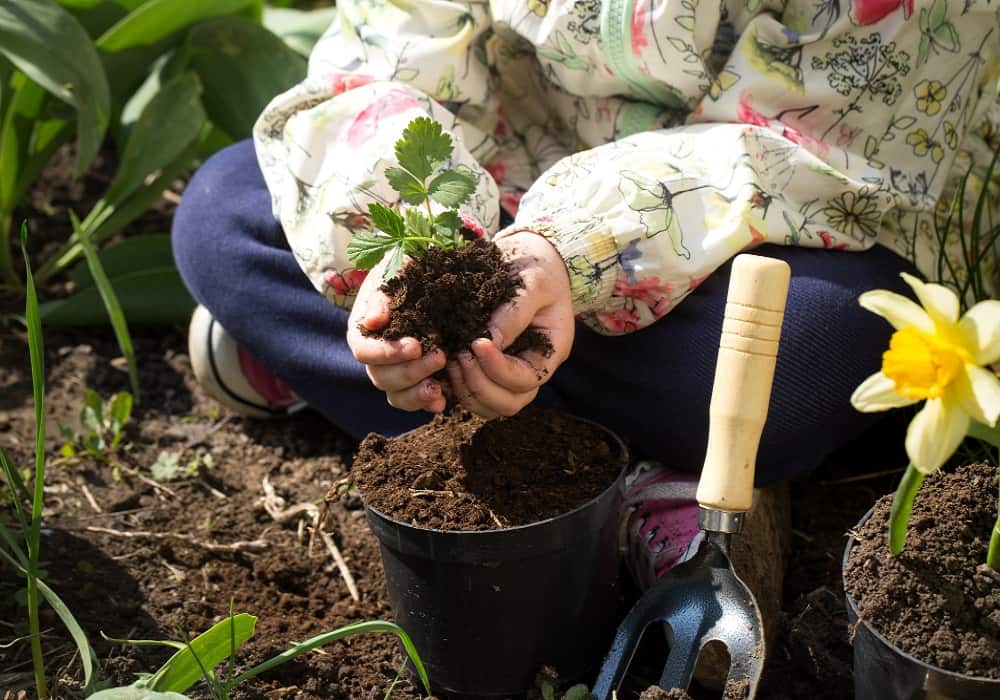
Gardening is more than just planting seeds and watering them. It is an art that combines patience, knowledge, and care. Whether you are a beginner or an experienced gardener, learning a few proven gardening tips can make your plants healthier and your garden more productive. From soil preparation to seasonal care, these tips will guide you in creating a thriving and beautiful garden right at home.
Why Gardening Tips Matter
Gardening may look simple, but the success of your plants depends on small details such as soil health, watering techniques, sunlight, and pest control. By following effective gardening tips, you can:
-
Improve plant growth and yield.
-
Save time, water, and resources.
-
Prevent common plant diseases and pest attacks.
-
Create a sustainable and eco-friendly garden.
-
Enjoy fresh vegetables, fruits, and flowers at home.
Essential Gardening Tips for Every Home Gardener
1. Start with Healthy Soil
Soil is the foundation of gardening. Use compost, cow dung, or organic manure to enrich your soil. A good tip is to test your soil’s pH—most plants grow well in slightly acidic to neutral soil (pH 6–7).
2. Choose the Right Plants for Your Climate
One of the most practical gardening tips is to select plants that suit your region’s weather. For example, tomatoes, chilies, and beans thrive in warm climates, while spinach and cabbage prefer cooler seasons.
3. Water Smartly
Overwatering is one of the most common mistakes gardeners make. Water deeply but less frequently to encourage strong root growth. Early morning is the best time to water your plants because it reduces evaporation.
4. Use Mulch to Retain Moisture
Mulching with dry leaves, straw, or wood chips helps retain soil moisture, prevent weed growth, and keep roots cool in hot weather.
5. Practice Companion Planting
Certain plants grow better together. For example, planting marigolds near vegetables keeps pests away, while basil improves the flavor of tomatoes.
6. Give Plants Enough Sunlight
Most vegetables and flowers need at least 6–8 hours of sunlight daily. Place your pots or beds where they receive maximum sunlight exposure.
7. Prune Regularly
Pruning dead or weak branches allows plants to focus energy on healthy growth. It also improves air circulation and prevents fungal infections.
8. Reuse Kitchen Waste
One of the best eco-friendly gardening tips is to compost kitchen scraps like vegetable peels, eggshells, and coffee grounds. This creates nutrient-rich fertilizer for your garden.
9. Control Pests Naturally
Instead of chemical sprays, use neem oil, garlic spray, or soap water to keep pests under control. Ladybugs and earthworms are also beneficial for natural pest management.
10. Rotate Your Crops
If you grow vegetables, avoid planting the same crop in the same soil every season. Crop rotation prevents soil depletion and reduces the risk of disease.
Seasonal Gardening Tips
Spring Gardening Tips
-
Start sowing seeds indoors if possible.
-
Add compost to enrich soil before planting.
-
Grow fast-growing vegetables like radish, spinach, and lettuce.
Summer Gardening Tips
-
Water plants in the morning to reduce evaporation.
-
Use shade nets for delicate plants.
-
Keep soil cool with mulch.
Monsoon Gardening Tips
-
Ensure proper drainage to prevent waterlogging.
-
Protect plants from fungal infections with neem spray.
-
Grow leafy greens like spinach and fenugreek.
Winter Gardening Tips
-
Choose cold-resistant vegetables like carrots, peas, and cauliflower.
-
Cover delicate plants with cloth during frost.
-
Reduce watering since plants need less in cold weather.
Indoor Gardening Tips
If you don’t have outdoor space, you can still enjoy gardening indoors.
-
Choose herbs like basil, mint, and coriander that thrive in small pots.
-
Place plants near sunny windows or use LED grow lights.
-
Use well-draining soil to prevent root rot.
-
Avoid overwatering—indoor plants usually need less water.
Sustainable Gardening Tips
Modern gardening is not just about growing plants but also about protecting the environment.
-
Collect rainwater for irrigation.
-
Avoid plastic pots—use clay or biodegradable ones.
-
Grow pollinator-friendly plants like lavender and sunflower.
-
Practice organic gardening by avoiding harmful chemicals.
FAQs on Gardening Tips
Q1. What are the best gardening tips for beginners?
Start small, choose easy-to-grow plants like tomatoes, mint, or spinach, and focus on healthy soil and proper watering.
Q2. How often should I water my garden?
It depends on the season and plant type. Generally, watering 2–3 times a week is enough, but check soil moisture before watering.
Q3. Which vegetables are easiest to grow at home?
Spinach, coriander, tomatoes, chilies, and beans are some of the easiest vegetables for beginners.
Q4. How can I keep pests away naturally?
Neem oil spray, garlic water, and planting pest-repelling plants like marigolds are effective natural solutions.
Q5. Can I do gardening in small spaces?
Yes, container gardening, vertical gardening, and balcony gardening are great for small spaces. Herbs and leafy greens grow very well in pots.
Conclusion
Gardening is a rewarding activity that brings fresh food, colorful flowers, and mental peace. By following these simple gardening tips, you can make your garden healthier, more productive, and environmentally friendly. Whether you have a big backyard or a small balcony, these tricks will help you create a green space you’ll love.
