

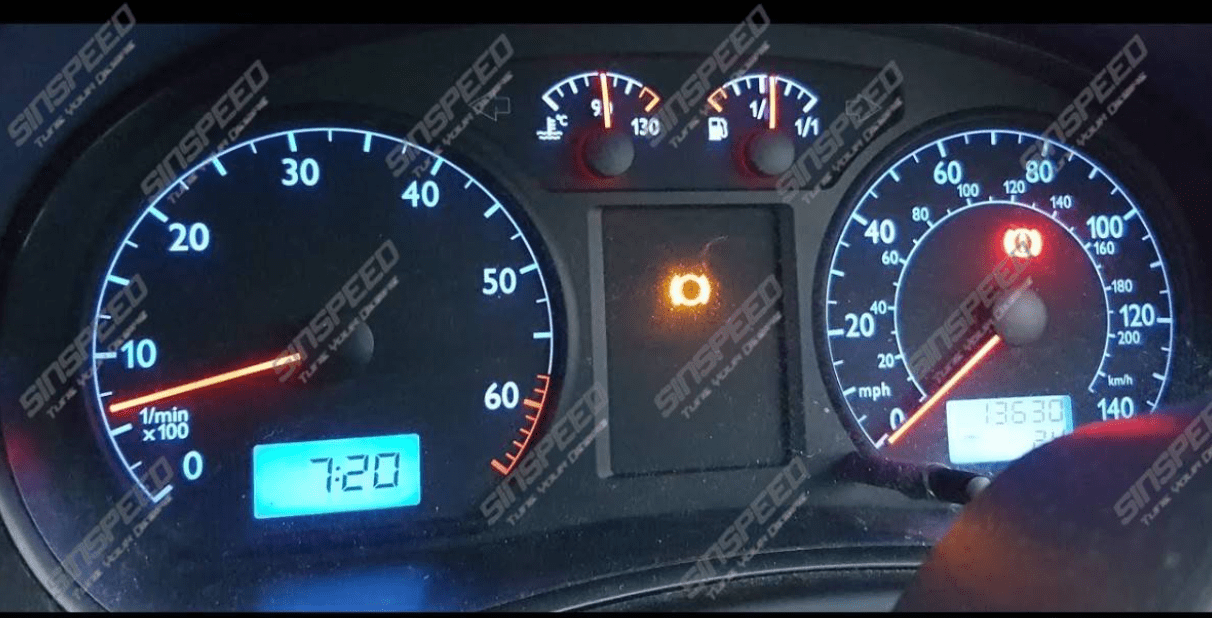
The automotive industry is changing at a rapid pace. Cars are no longer just mechanical machines powered by engines and fuel—they are highly advanced computers on wheels. Nowhere is this more evident than in the evolution of the car cluster. Once a simple set of analog gauges, today’s clusters are digital, interactive, and deeply connected to the vehicle’s electronic systems.
As vehicles evolve, so does the repair industry. Car cluster repair is no longer a straightforward mechanical adjustment; it has become a specialized field that requires knowledge of electronics, software, and digital technology. This article explores the current trends shaping the industry, the challenges specialists face, and what the future of car cluster repair might look like.
The Transformation of the Car Cluster
In older vehicles, the cluster consisted mainly of analog dials: a speedometer, tachometer, fuel gauge, and a few warning lights. These systems relied on mechanical or simple electronic inputs.
Today, however, car clusters often include:
- Digital displays that replace analog dials entirely.
- Customizable layouts where drivers choose what information they see.
- Navigation integration with maps and real-time traffic updates.
- Driver assistance features such as lane departure alerts and adaptive cruise control data.
- Connectivity options that sync with smartphones and infotainment systems.
This shift has completely changed the way repairs are handled.
New Challenges in Car Cluster Repair
With digitalization, clusters now rely on complex electronics and software. This introduces new challenges for repair specialists, including:
- Software-related issues – Glitches, frozen screens, and faulty updates that affect performance.
- Advanced electronics – Repairs involving microchips, circuit boards, and delicate wiring.
- Compatibility problems – Replacement parts must often be programmed to communicate with the vehicle’s computer.
- Specialized tools – Standard mechanical tools are no longer enough; diagnostic scanners and coding equipment are required.
For repair shops, keeping up with these challenges means constant learning and investment in technology.
The Rise of Specialist Training
To address the complexity of modern car clusters, the industry is placing greater emphasis on training. Specialists are increasingly expected to have skills in:
- Automotive electronics – Understanding circuits, sensors, and digital systems.
- Computer programming basics – Handling software updates and troubleshooting coding errors.
- Diagnostic technology – Using advanced tools to identify hidden faults.
- Customer education – Explaining complex electronic problems in simple terms to everyday drivers.
This evolution highlights why professional expertise is essential. For drivers, the safest option is always to find a specialist near you who has the right training for today’s vehicles.
Tools and Technology Used in Repair
The industry is also seeing a major shift in the tools required for car cluster repair. Modern specialists now use:
- OBD-II scanners to diagnose error codes and communication issues.
- Oscilloscopes to analyze electrical signals.
- Software tools to update or reprogram cluster systems.
- Precision soldering equipment for repairing delicate electronic parts.
These tools allow specialists to handle problems that would be impossible to fix with traditional methods.
The Growing Importance of Preventive Care
Another trend in the industry is the focus on prevention rather than just repair. Specialists now encourage drivers to:
- Keep electrical systems in good condition.
- Replace weak batteries early to avoid cluster malfunctions.
- Install software updates regularly for digital clusters.
- Protect vehicles from extreme heat and moisture.
By promoting preventive care, repair professionals reduce long-term costs for drivers and improve overall vehicle safety.
How Repair Shops Are Adapting
Repair shops themselves are evolving to meet the demands of modern clusters. Many are:
- Investing in advanced diagnostic equipment to stay competitive.
- Partnering with training institutes to ensure technicians stay up to date.
- Offering software services in addition to hardware repairs.
- Specializing in electronics rather than traditional mechanical work.
This trend reflects a broader shift in the automotive repair industry: as vehicles become smarter, so too must the people who service them.
Future Outlook for Car Cluster Repair
Looking ahead, the future of car clusters and their repair is tied to broader automotive innovations. Emerging trends include:
- Augmented reality (AR) clusters – Information projected onto windshields, reducing the need to look down.
- AI integration – Smart systems that predict driver needs and suggest adjustments.
- Cloud-connected diagnostics – Real-time updates and troubleshooting via internet connections.
- More personalization – Clusters that automatically adjust to different drivers in shared vehicles.
While these features make driving easier and safer, they will make car cluster repair even more specialized. Future repairs may involve not just replacing parts but also updating cloud-based software and calibrating AR projections.
The Role of Specialists in the Future
As clusters become more complex, specialists will play an even more vital role. Their work will go beyond fixing broken parts—it will include ensuring digital systems are updated, calibrated, and communicating properly with other vehicle components.
For drivers, this means building long-term relationships with trusted repair professionals who understand modern technology. It also means repair shops will continue to shift from mechanical expertise to a blend of electronics, computing, and automotive knowledge.
Conclusion
The car cluster has transformed from a simple set of gauges into a digital hub of information and safety features. This transformation has reshaped the entire repair industry, demanding new skills, tools, and approaches.
For everyday drivers, the message is clear: modern cluster problems require modern solutions. Whenever issues arise—whether a frozen screen, inaccurate readings, or faulty alerts—the safest step is to find a specialist near you who is equipped for today’s vehicles.
As the industry continues to adapt, one thing remains constant: keeping the car cluster in top condition is essential for safety, performance, and peace of mind.
