

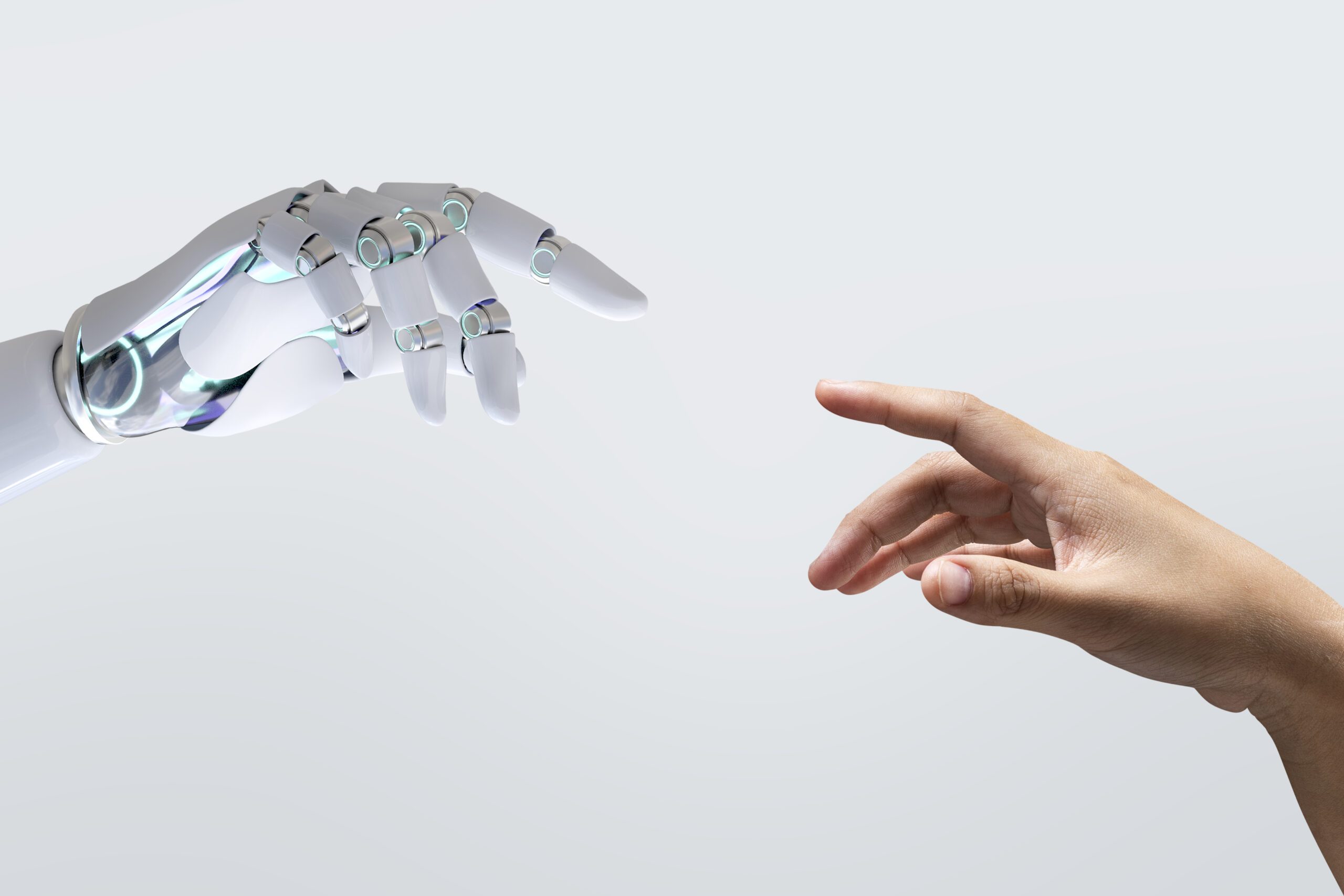
Marketing today is driven by two powerful forces — automation and personalization. Automation allows businesses to scale their campaigns efficiently, while personalization helps brands connect with audiences on a human level. But the big question is:
Should businesses prioritize automation in marketing or focus more on human-driven personalization?
The answer lies in understanding what each approach brings to the table — and how combining them creates the most effective strategy.
What is Marketing Automation?
Marketing automation refers to using technology and software to streamline repetitive tasks, manage campaigns, and nurture leads without constant manual effort.
Examples of Marketing Automation:
-
Automated email campaigns (welcome series, reminders, abandoned cart follow-ups)
-
AI-driven ad targeting on Google and social media
-
Chatbots for instant customer queries
-
Lead scoring and CRM workflows
-
Scheduled content publishing
Strengths of Marketing Automation:
-
Saves time and resources
-
Ensures consistency across channels
-
Scales campaigns easily
-
Delivers data-driven insights for optimization
Limitations:
-
Risks feeling “robotic” if overused
-
Lacks deep emotional connection
-
May lead to one-size-fits-all communication
What is Human Personalization in Marketing?
Human personalization goes beyond automation to create authentic, emotionally resonant experiences for customers. It involves tailoring content, messages, and offers based on understanding people, not just data.
Examples of Human Personalization:
-
Personalized product recommendations based on conversations (not just algorithms)
-
Customer support with empathy and real understanding
-
Culturally relevant campaigns that reflect local values
-
Handwritten thank-you notes or personalized emails from real people
-
Creative storytelling that builds trust and brand loyalty
Strengths of Human Personalization:
-
Builds emotional connections and brand trust
-
Enhances customer loyalty and long-term relationships
-
Provides cultural and contextual relevance
-
Offers flexibility in crisis or sensitive communication
Limitations:
-
More time-consuming and resource-intensive
-
Difficult to scale quickly
-
Requires skilled teams and creativity
Automation vs Personalization: A Direct Comparison
| Factor | Marketing Automation | Human Personalization |
|---|---|---|
| Speed & Scale | Extremely fast, handles thousands at once | Slower, but highly focused |
| Consistency | Standardized messaging across channels | Customized per individual |
| Cost Efficiency | Reduces operational costs | More expensive to maintain |
| Creativity | Limited, rule-based | High, flexible, and authentic |
| Customer Impact | Ensures reach | Builds loyalty and trust |
Where Automation Works Best
Automation shines in tasks that require efficiency, repetition, and scale. For example:
-
Sending follow-up emails after sign-ups or purchases
-
Running retargeting ad campaigns
-
Managing large CRM databases
-
Delivering time-sensitive alerts or promotions
-
Tracking customer journeys and behaviors
It ensures no lead is ignored and every campaign runs on schedule.
Where Personalization Excels
Personalization is most powerful in areas where empathy and human connection matter. For example:
-
Handling complaints or negative feedback with care
-
Creating brand campaigns that resonate emotionally
-
Managing high-value clients with tailored communication
-
Localizing content for cultural nuances
-
Engaging audiences through storytelling and real experiences
While automation can send the message, personalization makes it memorable.
The Hybrid Approach: Automation + Personalization
The future of marketing isn’t about choosing one over the other — it’s about blending both.
-
Automation handles the “what” and “when.”
It delivers the right message at the right time, ensuring no opportunity is missed. -
Personalization handles the “how” and “why.”
It ensures the message feels human, authentic, and emotionally relevant.
For example, an e-commerce store can use automation to send an abandoned cart email. But adding a personalized note like, “Hi Sarah, we noticed you loved this dress — here’s 10% off to make it yours,” makes the campaign far more effective.
Conclusion
In the debate of automation in marketing vs human personalization, there is no single winner. Automation brings scale, efficiency, and consistency, while personalization delivers empathy, trust, and long-term loyalty.
The real success comes from combining both — using automation to reach more people faster and personalization to make each interaction meaningful.
The future of marketing isn’t automation vs personalization — it’s automation + personalization working together to create smarter, human-centered campaigns.
|
This blog is the result of a thoughtful collaboration, combining human expertise with AI-driven support. The initial concept and direction were created by Subham.S, Marketing Expert & Consultant. Advanced technologies, including ChatGPT and Google Gemini, assisted in structuring and drafting the content. Finally, the experienced team at SERP Monsters refined the work—ensuring accuracy, SEO optimization, and maximum reader value.
|
