

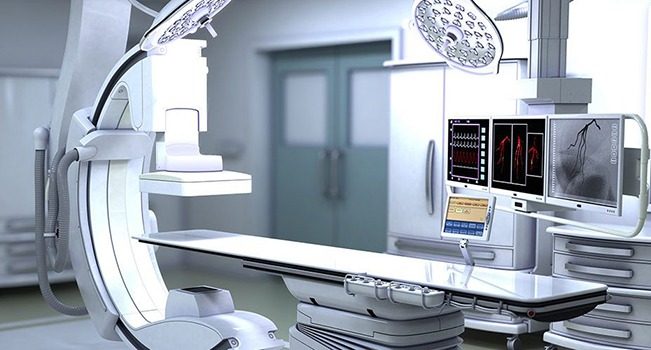
The medical industry is an arena where precision, safety, and reliability are non-negotiable. From life-saving implants to delicate surgical instruments, every product must meet strict quality standards. This is where medical CNC machining services play a transformative role. With advanced computer-controlled machining, manufacturers can produce components with extreme accuracy and repeatability. This technology not only ensures compliance with rigorous medical regulations but also fuels innovation in creating devices that improve patient outcomes. By bridging technology and healthcare, CNC machining has become a cornerstone of modern medical manufacturing.
The Importance of Medical CNC Machining Services
Meeting Demands for Extreme Precision
Unlike consumer goods, medical devices must perform with flawless reliability. Even the slightest error in dimension can affect patient safety. CNC machining allows manufacturers to achieve tolerances within microns, ensuring implants, prosthetics, and surgical tools meet exact specifications. For example, orthopedic implants must fit seamlessly into the human body, and only CNC precision can make this possible.
Supporting Safety and Regulatory Standards
Medical devices are governed by strict standards such as ISO 13485 and FDA regulations. CNC machining makes it possible to consistently meet these standards through traceability, repeatability, and quality control. Every part produced undergoes rigorous inspection, ensuring it is safe and ready for use in critical procedures.
Key Applications of CNC Machining in Healthcare
Surgical Instrument Production
Surgical instruments must be strong, sharp, and reliable. CNC machining can manufacture scalpels, clamps, scissors, and forceps with exact geometry and durability. Using stainless steel, titanium, and medical-grade alloys, this process ensures tools withstand repeated sterilization without compromising performance.
Custom Implants and Prosthetics
CNC machining enables the production of both standard and patient-specific implants. Titanium dental and orthopedic implants benefit from high biocompatibility, while CNC ensures a perfect fit. Prosthetics can also be customized to enhance patient comfort and mobility, delivering life-changing results.
Benefits of CNC Machining for Medical Devices
Versatility in Material Selection
The medical sector requires a variety of materials depending on the device. Stainless steel is valued for strength, titanium for biocompatibility, and PEEK polymers for lightweight durability. CNC machining can process all of these, giving engineers freedom to innovate across different device types.
Speed in Prototyping and Mass Production
Time-to-market is crucial in healthcare. CNC machining allows rapid prototyping so engineers can test designs quickly. Once approved, production can be scaled seamlessly while maintaining consistency. This balance of speed and accuracy helps medical companies stay competitive and innovative.
Why Choose MYT Machining as Your Partner
Choosing the right machining partner is vital for medical manufacturers. MYT Machining has built a strong reputation for delivering high-quality CNC solutions tailored to the medical sector. Equipped with state-of-the-art machinery, MYT offers both prototyping and full-scale production with precision that meets global healthcare standards. Their expertise ensures compliance, innovation, and timely delivery, making them a reliable partner for businesses aiming to excel in the medical device industry.
The Future of Medical CNC Machining Services
Integration with Smart Manufacturing
CNC machining is evolving alongside Industry 4.0. Smart manufacturing technologies such as AI and IoT are enabling machines to monitor performance, predict tool wear, and optimize processes. For medical devices, this translates to better consistency, efficiency, and quality assurance.
Advancing Personalized Medicine
The shift toward personalized healthcare demands custom solutions. CNC machining is vital for creating patient-specific devices, from dental crowns to spinal implants. This ability to tailor products not only enhances patient comfort but also improves overall treatment effectiveness.
Conclusion
The healthcare sector thrives on precision, innovation, and reliability, all of which are delivered by medical CNC machining services. From producing reliable surgical instruments to crafting custom implants, CNC machining ensures compliance, scalability, and unmatched accuracy. With its flexibility across materials and ability to meet strict standards, CNC machining will continue to shape the future of healthcare technology. Manufacturers who invest in these solutions position themselves to deliver devices that transform patient care and set new benchmarks in medical excellence.
