

Scalability in Modern Storage Systems: Future-Proofing Your Data Growth
In the digital era, the amount of data businesses produce and store is growing at an unprecedented pace. Scalability—being able to expand your storage capacity without overhauling the entire infrastructure—is no longer a luxury; it’s a necessity. Modern storage systems make this possible, allowing you to start small and grow as your data needs evolve. One powerful way to maintain both scalability and security is through an Air Gapped System, which not only supports flexible growth but also adds a critical layer of protection against cyber threats.
Why Scalability Matters in Storage Systems
Scalability is the ability to increase storage capacity on demand without replacing or rebuilding the entire setup. This capability is vital for organizations of all sizes because data growth is unpredictable. Whether you run a small business expecting moderate growth or a large enterprise managing petabytes of information, scalable systems ensure you won’t be forced into disruptive upgrades.
Meeting the Needs of Rapid Data Growth
Data growth happens in bursts. For example, a new product launch, seasonal demand, or expanded service offerings can suddenly spike storage requirements. Without scalability, you’d be stuck scrambling for new hardware or migrating to a completely different system—a costly and time-consuming process.
Avoiding Overprovisioning
Traditional storage methods often required buying far more capacity than you needed, just in case of growth. This “overprovisioning” wastes resources and ties up capital. Scalable systems eliminate this problem by letting you add capacity gradually, aligning expenses with actual needs.
Types of Scalability in Modern Storage
Scalability comes in different forms, and knowing which type fits your needs can save time and money.
Horizontal Scalability
Horizontal scalability, also known as scale-out, involves adding more storage nodes to your existing setup. This approach is particularly useful for organizations dealing with unstructured data like images, videos, and IoT sensor logs. Each new node adds both capacity and performance.
Vertical Scalability
Vertical scalability, or scale-up, means adding more resources—like additional drives or larger capacity disks—to a single storage unit. This method is straightforward but has physical and performance limits.
Hybrid Scalability
Some modern systems combine both horizontal and vertical scalability, offering maximum flexibility. You can increase the size of individual units while also adding more nodes as needed.
Scalability and the Air Gapped Advantage
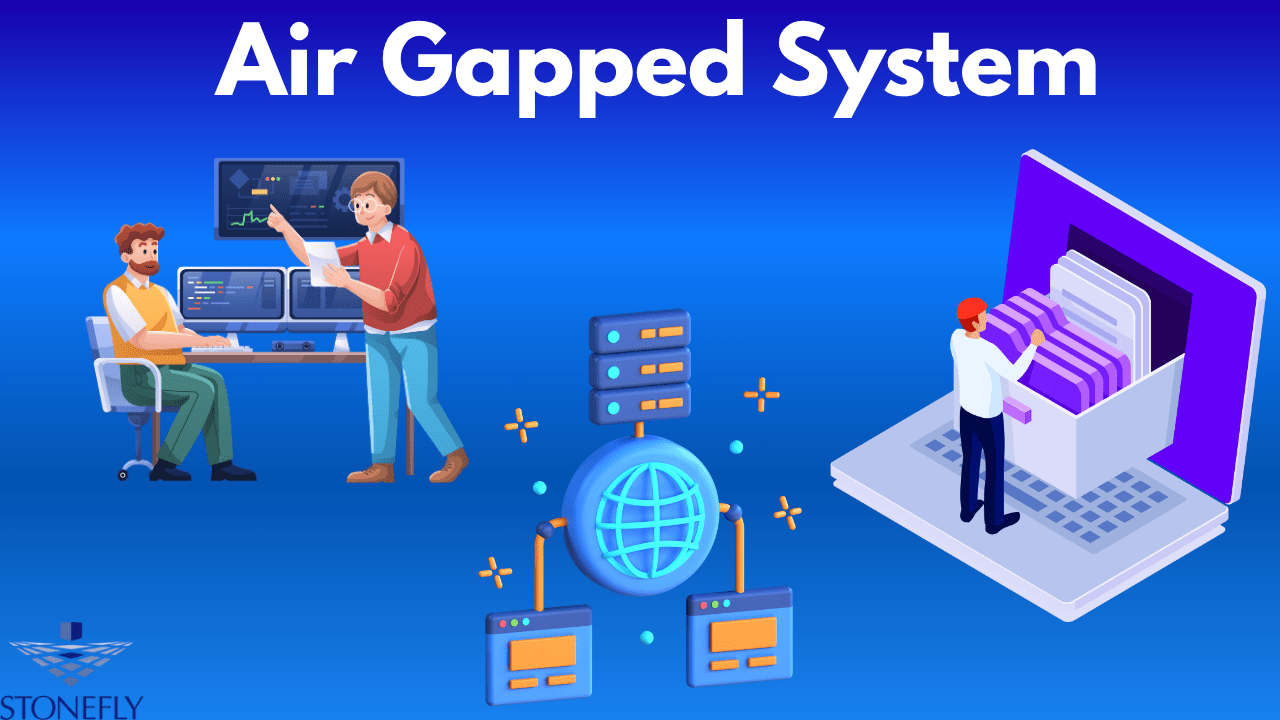
When scaling your infrastructure, security should never be an afterthought. A scalable storage system that integrates an Air Gapped System ensures your data remains safe, even as it grows. An air-gapped approach isolates critical backups from the network, making them inaccessible to ransomware, malware, and other cyber threats. This setup pairs perfectly with scalable architectures, as it allows your secure storage to grow alongside your operational storage.
The Role of Software in Scalability
Hardware scalability is important, but software plays a critical role in making the process seamless.
Automated Provisioning
Modern storage software can automatically allocate new resources when capacity thresholds are reached, reducing administrative workload.
Load Balancing
Scalable systems use intelligent load balancing to distribute workloads evenly across storage nodes, preventing performance bottlenecks.
Data Tiering
With automated tiering, frequently accessed data stays on high-performance storage, while older or less critical data moves to cost-effective storage tiers. This balances performance and cost-efficiency.
Planning for Scalability
Before adopting a scalable system, consider the following:
Assess Current and Future Needs
Analyze your current data usage patterns and project future growth. This will guide whether you need scale-up, scale-out, or a hybrid approach.
Budget for Gradual Expansion
A key advantage of scalability is paying for capacity only when you need it. Plan budgets accordingly to take full advantage of incremental upgrades.
Integrate Security from the Start
Incorporating solutions like an Air Gapped System from the outset ensures that your security grows alongside your capacity. This prevents vulnerabilities as the system expands.
Common Challenges with Scalability
Even the best scalable systems can face challenges.
Data Migration Complexities
When scaling vertically, migrating data from smaller drives to larger ones can be time-consuming.
Compatibility Issues
Not all systems integrate smoothly with older hardware or software, so choose vendors that prioritize backward compatibility.
Cost Management
While scalability prevents overprovisioning, sudden spikes in storage needs can still lead to unplanned expenses. Monitor usage closely to avoid budget surprises.
Conclusion
Scalability in modern storage systems allows organizations to keep pace with the ever-growing demands of data storage without the headache of complete system replacements. Whether through horizontal, vertical, or hybrid approaches, scalability ensures that your storage evolves alongside your business. Pairing this flexibility with the robust security of an Air Gapped System provides a future-proof, secure, and cost-effective solution. The result? You get to expand confidently, knowing your data remains safe and your storage is always ready for the next challenge.
FAQs
1. What is the difference between scale-up and scale-out storage?
Scale-up adds more capacity to a single storage unit, while scale-out adds additional storage nodes to the system.
2. Can scalable storage systems handle both structured and unstructured data?
Yes, modern scalable storage solutions are designed to manage both structured data like databases and unstructured data such as images and videos.
3. How does an Air Gapped System improve scalability?
It ensures that as your storage grows, your most critical backups remain secure and isolated from potential cyber threats.
4. Is scalability cost-effective in the long run?
Yes, because it allows you to add capacity gradually, preventing overprovisioning and spreading out costs over time.
5. Do I need special software for scalable storage?
While not strictly necessary, specialized storage management software greatly simplifies scaling operations and optimizes performance.
