

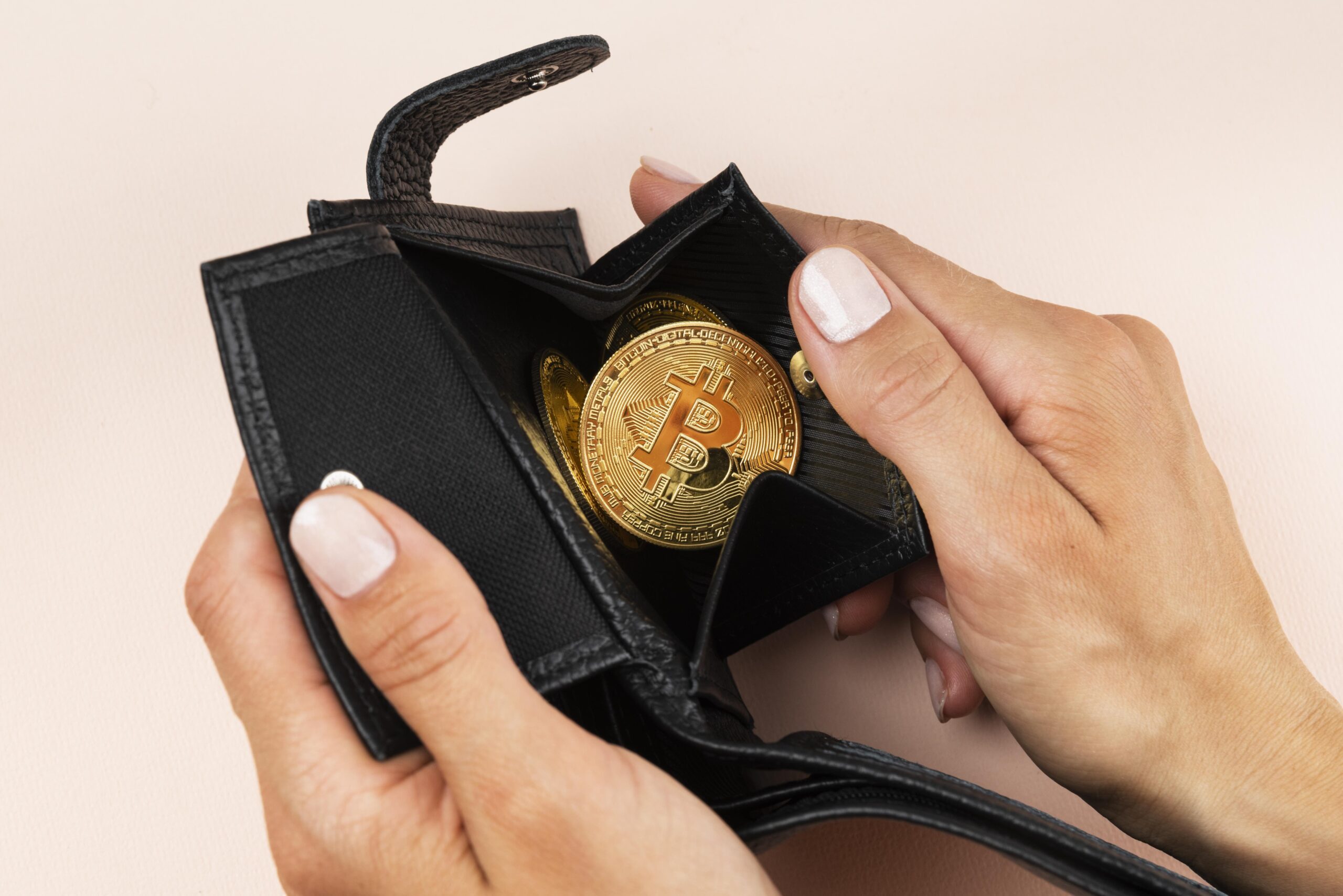
In the fast-paced world of cryptocurrency, security isn’t just important—it’s everything. Digital assets are valuable, but they’re also vulnerable to cyberattacks, phishing scams, and exchange hacks. That’s why many experienced investors and traders turn to cold wallets. If you’re serious about safeguarding your coins, finding the best cold wallet for crypto in 2025 should be at the top of your priority list.
Cold wallets, unlike their online counterparts, store your private keys offline. This simple but powerful difference keeps your assets beyond the reach of online threats. But with so many options available, how do you choose the right one for your needs? Let’s explore why cold wallets are essential, how they work, and how to identify the best choice for you.
Why Cold Wallets Matter
In crypto, ownership boils down to one thing: control of your private keys. If someone else—be it an exchange or an online wallet provider—controls those keys, they effectively control your assets. Cold wallets put that control back in your hands.
Here’s why they’re indispensable:
-
Offline Security – Cold wallets store keys in a physical device or medium disconnected from the internet, making hacking nearly impossible.
-
Protection from Exchange Risks – Exchanges can be hacked, shut down, or even freeze withdrawals. Cold wallets bypass these risks entirely.
-
Long-Term Storage – Ideal for “HODLers” who plan to keep their crypto safe for years without frequent transactions.
If you value peace of mind, using the best cold wallet for crypto isn’t just an option—it’s a necessity.
How Cold Wallets Work
At their core, cold wallets are about secure key storage. When you make a transaction, your private key is used to sign it, but the key itself never leaves the wallet’s secure environment. Even when connected temporarily to a computer or mobile device, most cold wallets use encryption and protective protocols to ensure your keys stay safe.
There are different types of cold wallets:
-
Hardware Wallets – Physical devices, often resembling USB sticks, that store private keys securely.
-
Paper Wallets – Physical printouts of your keys or QR codes; highly secure if stored properly but less convenient.
-
Air-Gapped Devices – Computers or devices permanently disconnected from the internet, used solely for signing transactions.
Among these, hardware wallets have become the most popular choice for everyday users looking for convenience and strong protection.
Choosing the Best Cold Wallet for Crypto in 2025
With technology advancing, the best cold wallet for crypto combines robust security features, ease of use, and compatibility with a wide range of assets. Here’s what to look for:
1. Security Standards
Top-tier wallets use secure element chips, PIN codes, and passphrase protection. Many also support biometric verification and advanced encryption protocols.
2. Multi-Currency Support
If you hold more than just Bitcoin, choose a wallet compatible with multiple blockchains and tokens.
3. User Experience
An intuitive interface makes it easier to send, receive, and manage assets without compromising security.
4. Backup and Recovery Options
The best cold wallet for crypto ensures you can restore your funds if the device is lost or damaged, often via a recovery seed phrase.
5. Firmware Updates
Regular updates patch vulnerabilities and add new features, so check that your wallet provider is committed to long-term support.
Leading Cold Wallet Options in 2025
While preferences vary based on individual needs, a few wallets consistently rank among the best:
-
Ledger Nano X – Bluetooth-enabled, supports hundreds of cryptocurrencies, and offers a sleek interface.
-
Trezor Model T – Highly secure, touchscreen interface, and open-source firmware for transparency.
-
Ellipal Titan – Fully air-gapped, mobile-friendly, and built with metal casing for durability.
-
Keystone Pro – Multi-signature support and strong physical build, ideal for high-security users.
Each of these wallets has unique strengths, but they all share a commitment to safeguarding assets in a secure, offline environment.
Why the Best Cold Wallet for Crypto Beats Hot Wallets
Hot wallets—wallets connected to the internet—are convenient for daily transactions but inherently less secure. Cybercriminals can exploit software bugs, phishing attacks, or malware to steal private keys.
Cold wallets, by contrast, act as a fortress around your funds. Even if your connected device is compromised, the attacker can’t access your keys without physical possession of your wallet and the authentication details. For long-term holdings, this is a clear win.
Risks and Considerations
No security method is foolproof. Even with the best cold wallet for crypto, you should be aware of:
-
Physical Theft – Keep your wallet in a secure location and consider using a safe.
-
Loss of Recovery Seed – Without your seed phrase, lost or damaged devices can mean lost funds forever.
-
User Error – Sending crypto to the wrong address or mishandling backups can result in irreversible loss.
The best defense is a careful, informed approach to crypto management.
Future of Cold Wallet Technology
The cold wallet market is evolving alongside the crypto industry. In 2025, we’re seeing integration with mobile apps for easier monitoring, biometric authentication for extra protection, and even smart contract interaction without exposing keys. The best cold wallet for crypto today isn’t just a storage tool—it’s a gateway to securely participating in the broader blockchain ecosystem.
Conclusion
The best cold wallet for crypto in 2025 is the one that balances top-tier security, ease of use, and compatibility with your portfolio. In a world where digital assets can be targeted in countless ways, having an offline, secure storage solution is the ultimate safeguard.
Whether you choose a Ledger, Trezor, Ellipal, or another reputable device, what matters most is that you take control of your private keys. Because in crypto, ownership isn’t about having coins—it’s about having the keys that unlock them. And for that, nothing beats the peace of mind a cold wallet provides.
