

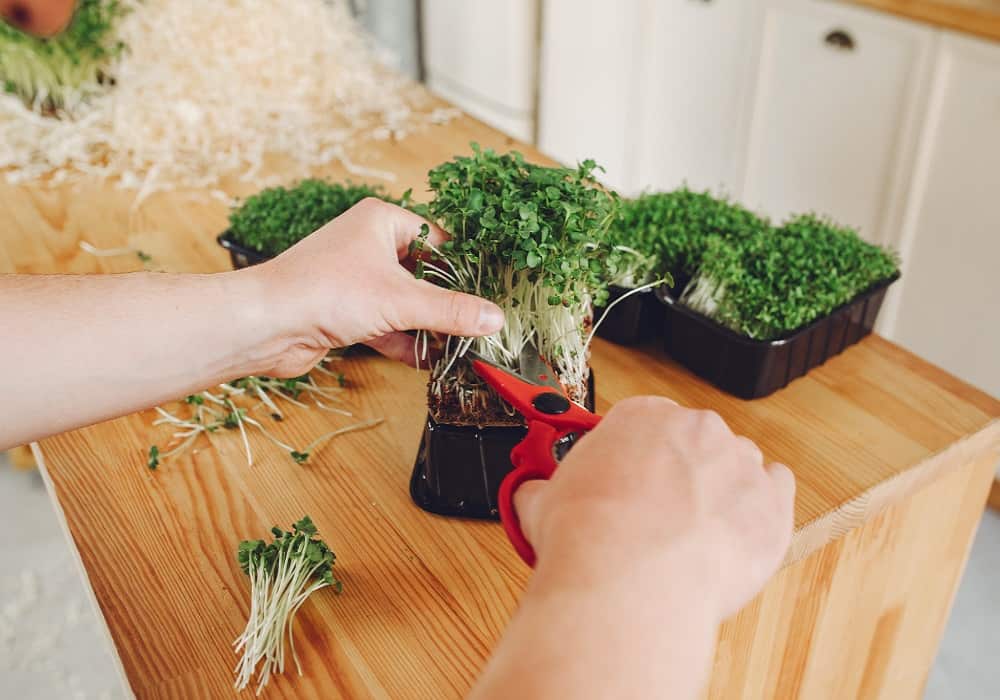
Gardening at home is not just a hobby—it’s a fulfilling way to bring nature closer to your everyday life. Whether you have a sprawling backyard or a tiny apartment balcony, creating a garden space at home can be a rewarding experience. With a few smart techniques, even beginners can grow thriving plants with minimal effort.
In this article, we’ll share some of the best tips for gardening at home, covering both indoor and outdoor spaces. These practical hacks are designed to help you save time, maximize space, and grow healthy plants throughout the year.
Why Gardening at Home Matters
-
Fresh Air & Oxygen: Plants purify the air and reduce indoor pollution.
-
Organic Food Supply: Grow your own herbs, vegetables, and fruits without chemicals.
-
Stress Relief: Gardening reduces stress and improves mental well-being.
-
Eco-Friendly Lifestyle: Encourages sustainable living and reduces carbon footprint.
Top Tips for Gardening at Home
Whether you’re growing herbs on your kitchen windowsill or vegetables in your backyard, these home gardening tips will help you achieve better results:
1. Start Small and Simple
Begin your gardening journey with a few low-maintenance plants such as money plant, tulsi (holy basil), aloe vera, or mint. These plants are easy to grow and require minimal care.
2. Know Your Space and Sunlight
Different plants need different amounts of sunlight.
-
For sunny balconies or terraces: Opt for tomatoes, chilies, basil, or hibiscus.
-
For shaded areas or indoors: Choose snake plant, peace lily, pothos, or ferns.
Pro Tip: Observe your space for a few days to understand how much sunlight it gets before choosing your plants.
3. Choose the Right Containers
Use pots with drainage holes to avoid waterlogging. For vertical gardening, use hanging pots or wall planters. Recycled containers like plastic bottles, buckets, or old cans can also make great planters with a little creativity.
4. Use Good Quality Soil and Compost
The base of healthy plants is nutrient-rich soil. Use a mix of garden soil, compost, and cocopeat in equal parts. Organic compost adds vital nutrients and improves soil texture.
5. Water Wisely
Overwatering is one of the most common mistakes in home gardening.
-
Use a spray bottle or watering can for better control.
-
Water in the early morning or late evening to reduce evaporation.
Always check if the topsoil is dry before watering again.
6. Use Kitchen Waste as Fertilizer
Turn your kitchen waste into natural fertilizer.
-
Crushed eggshells add calcium.
-
Banana peels enrich soil with potassium.
-
Tea leaves, coffee grounds, and vegetable peels can be composted to boost soil nutrition.
7. Pest Control the Natural Way
Avoid harmful chemicals. Use homemade organic solutions like:
-
Neem oil spray
-
Soap water solution for aphids
-
Garlic-chili paste spray to keep bugs away
8. Regular Pruning and Deadheading
Cut off dead or yellowing leaves to promote new growth. Pruning helps shape the plant and encourages flowering and fruiting.
9. Rotate Your Plants
Move your potted plants around every few weeks to ensure they all get equal exposure to sunlight and airflow. This helps maintain balanced growth.
10. Keep Learning and Experimenting
Gardening is a journey. Try growing new varieties, experiment with different containers, or set up a mini vertical garden on your balcony.
Indoor Gardening Tips
-
Use grow lights if natural sunlight is limited.
-
Keep indoor plants away from direct air conditioners or heaters.
-
Clean the leaves regularly to help them breathe better.
Outdoor Gardening Tips
-
Use mulch to retain moisture and reduce weeds.
-
Protect your plants from heavy rains and harsh sun with garden nets.
-
Install a drip irrigation system for large terrace or backyard gardens.
FAQs: Tips for Gardening at Home
Q1. What are the easiest plants to grow at home for beginners?
A: Money plant, aloe vera, mint, coriander, and tulsi are great beginner-friendly plants that require low maintenance.
Q2. How can I grow vegetables at home without a garden?
A: You can grow vegetables in pots, containers, or grow bags on balconies, terraces, or even sunny windowsills. Leafy greens, chilies, and tomatoes grow well in containers.
Q3. What is the best soil for home gardening?
A: Use a mix of garden soil, organic compost, and cocopeat. This combination retains moisture, drains well, and provides essential nutrients.
Q4. How often should I water indoor plants?
A: It depends on the plant type, season, and humidity. A good rule is to water when the top 1 inch of soil feels dry to touch.
Q5. Can I use kitchen waste directly in my home garden?
A: Yes! Kitchen waste like vegetable peels, fruit scraps, and tea leaves can be composted and used as organic fertilizer. Avoid oily or cooked food scraps.
Conclusion
With the right approach and a few clever hacks, gardening at home can be both fun and fruitful. By following these tips for gardening at home, you’ll not only create a beautiful green space but also contribute to a healthier and more sustainable lifestyle. Whether indoors or outdoors, every small garden makes a big difference.
