

A hospital’s ability to respond to internal emergencies—flooding, fires, HVAC failures, or active threats—can directly impact patient outcomes. Yet many healthcare facilities still rely on outdated or inaccessible documentation when every second counts. That’s why more hospitals are deploying hospital emergency management software to bridge the gap between planning and real-time action.
Instead of flipping through binders or relying on key personnel, staff can now access emergency protocols, floor plans, and utility shutdown instructions instantly on mobile devices—regardless of shift or location.
Why Traditional Emergency Plans Can Delay Response
Most hospitals have emergency plans. The problem is not the lack of information—it’s access. Paper-based binders, inconsistent floor plans, or siloed documents across departments can all create friction when time is of the essence.
Common issues include:
-
Difficulty locating shutoff valves during water or gas leaks
-
Staff unaware of specific evacuation routes for their zones
-
Limited access to up-to-date plans after renovations
-
Critical information stored on office desktops or physical binders
The result is often hesitation, confusion, or uncoordinated responses that can put lives and property at risk.
The Power of Mobile-First Emergency Access
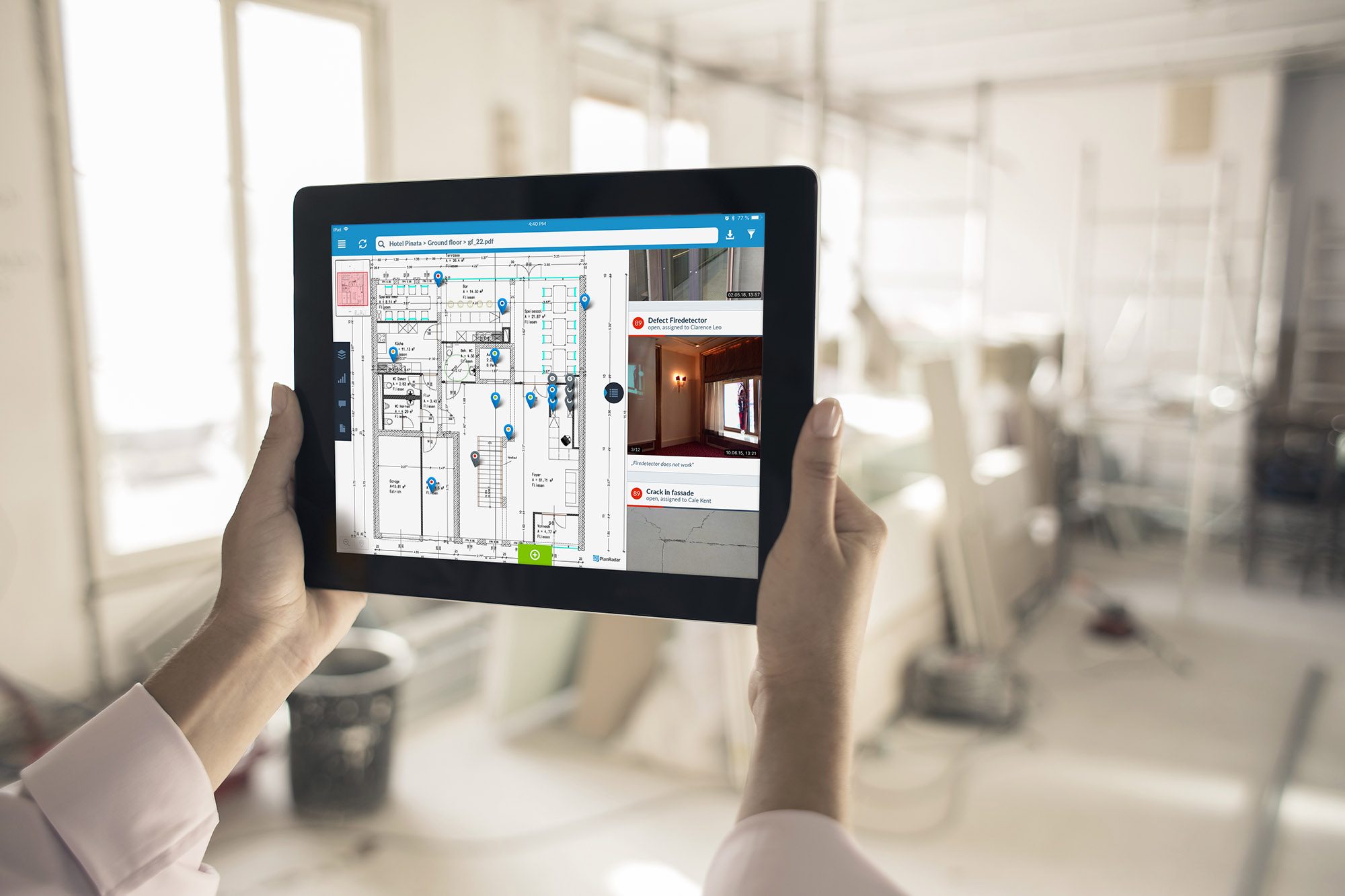
Hospital teams need the ability to act fast—without waiting on a supervisor or searching for physical documents. With mobile-ready facility management tools, they can pull up real-time building data, protocols, and shutoff maps in seconds.
This immediate access improves outcomes by providing:
-
Interactive digital floor plans with tagged emergency features
-
Utility shutdown instructions accessible across departments
-
Location-specific emergency checklists
-
Rapid updates when systems or layouts change
Instead of relying on memory or physical materials, staff can focus on responding confidently with accurate information in hand.
Supporting All Shifts, Not Just Daytime Operations
Emergencies don’t operate on a 9-to-5 schedule. Hospitals function 24/7, and many crises happen during nights, weekends, or holidays—when senior staff may be unavailable.
A centralized digital emergency platform allows hospitals to:
-
Equip every shift with the same level of preparedness
-
Eliminate over-reliance on long-tenured staff
-
Ensure temp and new hires have immediate access to response protocols
-
Maintain continuity across departments and facilities
This helps build a more resilient, well-informed team regardless of experience or time of day.
Making Emergency Preparedness a Living Process
Emergency planning in hospitals should be dynamic—not a one-time binder created for inspection day. A digital approach encourages frequent reviews, easy updates, and better engagement across departments.
Benefits include:
-
Version control and real-time document updates
-
Role-based visibility to minimize confusion during execution
-
A single source of truth accessible across teams
-
Quicker onboarding of new staff through mobile walkthroughs
With these capabilities, hospitals move beyond basic compliance toward true readiness.
Protecting Institutional Knowledge
One of the most overlooked risks in emergency response is overreliance on people who “know the building.” What happens when they’re out sick, retired, or unreachable during an emergency?
By digitizing infrastructure and safety data, hospitals can:
-
Preserve critical insights about utility systems and shutoffs
-
Store building-specific notes, annotations, and photos
-
Create a knowledge base that outlives any one employee
-
Maintain continuity as teams evolve over time
In short, the building starts to remember—so your people don’t have to.
When Emergency Access Can’t Wait
ARC Facilities provides hospital emergency management software that gives hospital teams mobile access to life-saving infrastructure data. From emergency protocols to utility maps and evacuation routes, ARC helps teams act quickly and effectively when it matters most—bringing clarity to chaos with reliable, real-time information.
