

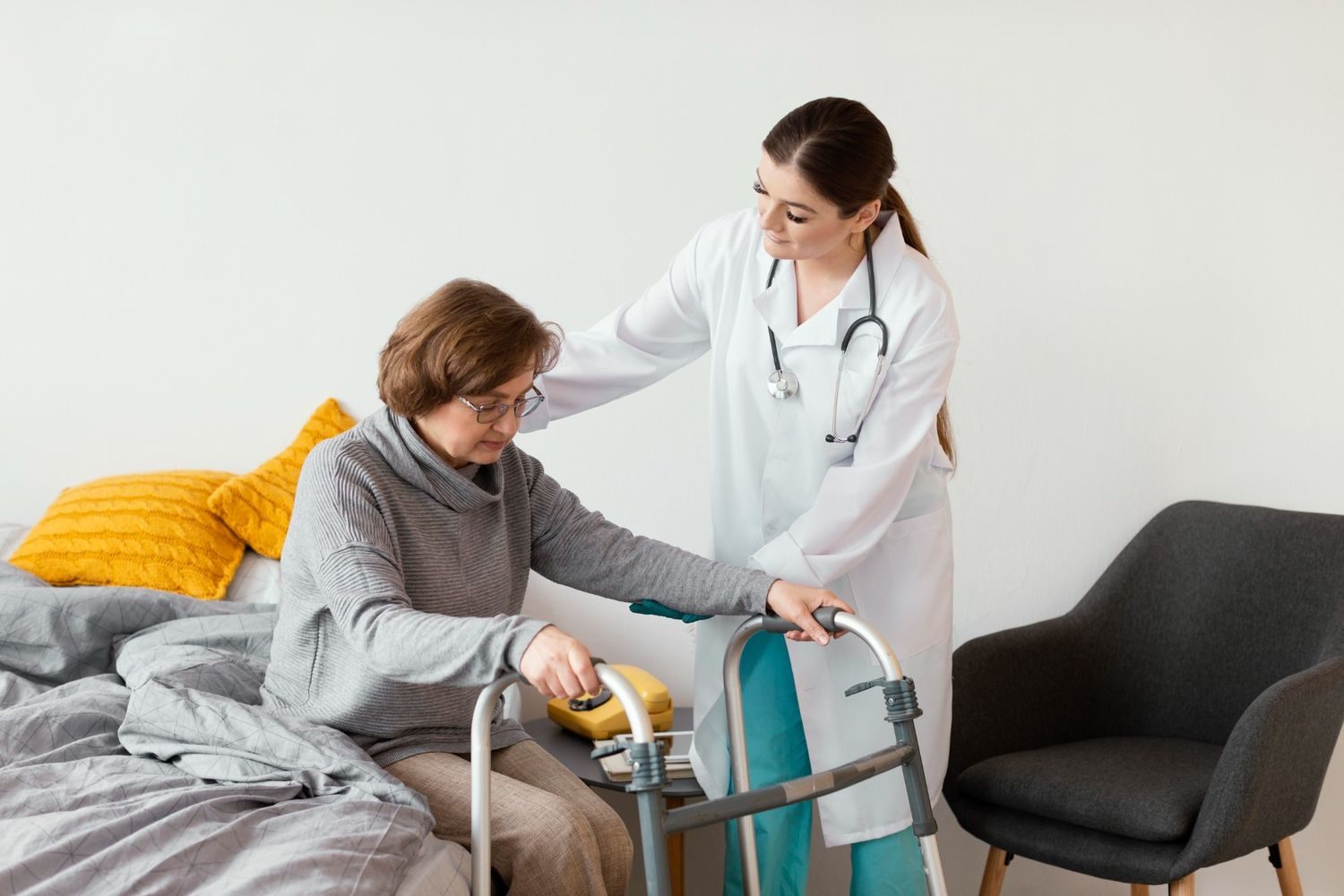
Recovering at home after surgery has become a preferred option for many patients and their families. With advancements in medical support systems and access to reliable home health services in Bangalore, patients no longer need to stay in the hospital for extended periods. Instead, they can benefit from professional nursing care, medication support, and emotional reassurance—all while enjoying the comfort and privacy of their own home. This shift to home-based recovery has made healing more personal, safe, and cost-effective.
Why Home Recovery Is Becoming Popular
In the past, patients had to remain hospitalized until they were fully stable. However, due to the rise of home healthcare services, they can now continue their recovery under the watchful eye of trained nurses at home. This trend is especially helpful for elderly patients or those with mobility challenges who may find hospital environments uncomfortable or overwhelming.
Home recovery reduces stress and exposure to hospital-acquired infections. It also allows for a more personalized approach to care, where the patient’s physical and emotional needs are better addressed. Family members can stay involved, ensuring the patient feels supported throughout their recovery journey.
Medication Management at Home
One of the most crucial aspects of post-surgical care is medication management. Patients are often prescribed multiple medications, including antibiotics, painkillers, and anti-inflammatory drugs. Keeping track of them can be challenging, particularly for those who are weak, confused, or elderly.
Home nurses provide professional assistance in managing medications. They prepare medication schedules, administer oral and injectable medications as per the prescription, and monitor for any signs of side effects or drug interactions. With their expertise, the risk of missed doses or incorrect medication is greatly reduced.
Wound Care and Monitoring
After surgery, wounds must be cleaned and dressed regularly to avoid infections and complications. At-home nurses are trained to manage surgical wounds, change dressings using sterile techniques, and identify early signs of infections such as swelling, redness, or discharge.
In addition to wound care, nurses monitor vital signs like blood pressure, oxygen levels, and temperature, ensuring any abnormalities are reported to the physician immediately. This close observation ensures a safer and more controlled healing process.
Support with Daily Activities
During the initial days after surgery, even basic tasks like walking to the bathroom, eating, or getting dressed can become difficult. Home care professionals assist patients with their daily routines while ensuring they don’t overexert themselves or risk injury.
Patients are guided on how to sit, stand, or lie down without affecting their surgical site. This kind of support helps prevent falls or strain that can delay healing. Nurses also help with personal hygiene, making sure patients maintain cleanliness and comfort without putting themselves at risk.
Emotional and Mental Support
Healing isn’t just physical—it’s also emotional. After surgery, some patients may feel anxious, isolated, or low. Being cared for in a familiar environment surrounded by loved ones helps reduce stress. However, the presence of a trained caregiver adds a layer of security that family members alone may not be able to provide.
Nurses offer companionship, routine, and emotional encouragement that uplift the patient’s mental state. Their friendly presence, combined with their medical expertise, helps create a calming environment where recovery can flourish.
Physical Therapy at Home
Many surgical patients, especially those recovering from orthopedic or neurological procedures, require physiotherapy to regain strength and mobility. Home health services include physiotherapists who visit patients and guide them through exercises suited to their stage of recovery.
They ensure movements are safe and effective, adjusting exercises as needed. This in-home rehabilitation speeds up recovery, prevents stiffness, and helps the patient regain independence faster than they might in a hospital setting.
Educating and Empowering Families
Home nursing isn’t just about caring for the patient—it’s also about educating the family. Nurses often teach family members how to assist with care routines, spot warning signs, and manage emergency situations. This training empowers families to be involved in the recovery process without feeling overwhelmed.
By staying informed and involved, families become confident caregivers who contribute positively to their loved one’s health.
Cost-Effective and Flexible
Another benefit of home health care is flexibility. Services can be tailored to the needs of the patient—from just a few hours of support per day to round-the-clock nursing care. This flexibility ensures that patients only pay for what they need, making it a more cost-effective solution compared to prolonged hospital stays.
In addition, there are fewer indirect costs such as travel, food, and accommodation for accompanying family members. With planned visits and adjustable schedules, home health care offers better control over time and finances.
Final Thoughts
Managing health at home after surgery is a thoughtful approach to recovery that emphasizes comfort, safety, and personal care. With the support of skilled nurses and therapists, patients can rest, heal, and regain strength without the stress of a hospital environment. As demand increases for these services, more families are turning to trusted Post-Operative Care Services in Bangalore to ensure that recovery is not only efficient but also compassionate and personalized.
