

If you’ve ever ordered something online and noticed the little pockets of air protecting your item, you’ve encountered bubble packaging! But what exactly is bubble packaging, and why is it so popular? If you’re curious about this clever material and its uses, you’re in the right place. Let’s dive into this beginner’s guide, brought to you by Eco Cushion Paper!
What is Bubble Packaging?
Bubble packaging, often called bubble wrap, is a flexible plastic material that’s filled with air-filled bubbles. These bubbles act as cushions that protect items during shipping or storage. It’s used to wrap delicate or fragile items like electronics, glassware, and even certain food products, ensuring they arrive in perfect condition.
You’ve probably seen it in rolls or sheets, with rows of tiny bubbles that make a satisfying popping sound when pressed. But there’s more to this packaging material than just the fun of popping!
How Does Bubble Packaging Work?
The magic behind bubble packaging lies in its air-filled bubbles. When an item is wrapped in bubble wrap, the air inside these bubbles acts as a buffer, absorbing shocks and impacts during transit. This protects the item from breaking, scratching, or getting damaged.
Imagine you’re shipping a fragile ceramic mug. Without bubble wrap, it could easily break during handling. But when you wrap it in bubble wrap, the air-filled bubbles soften the blow if the package is dropped, bumped, or jostled around, keeping your mug safe.
Why is Bubble Packaging Popular?
-
Protection: As mentioned, the primary benefit of bubble packaging is its ability to protect fragile items. The air-filled pockets absorb vibrations, shocks, and impacts, making it ideal for shipping everything from electronics to artwork.
-
Lightweight: Bubble wrap is incredibly lightweight, so it doesn’t add much extra weight to your packages. This is important for keeping shipping costs down, especially for businesses.
-
Versatile: You can use bubble wrap in various ways. You can wrap items entirely or use it as a filler in boxes to prevent movement and reduce the chance of damage. It’s also easy to cut into custom sizes to fit different products.
-
Cost-Effective: Bubble wrap is relatively inexpensive compared to other protective materials like foam or styrofoam. This makes it a budget-friendly option for businesses and individuals alike.
-
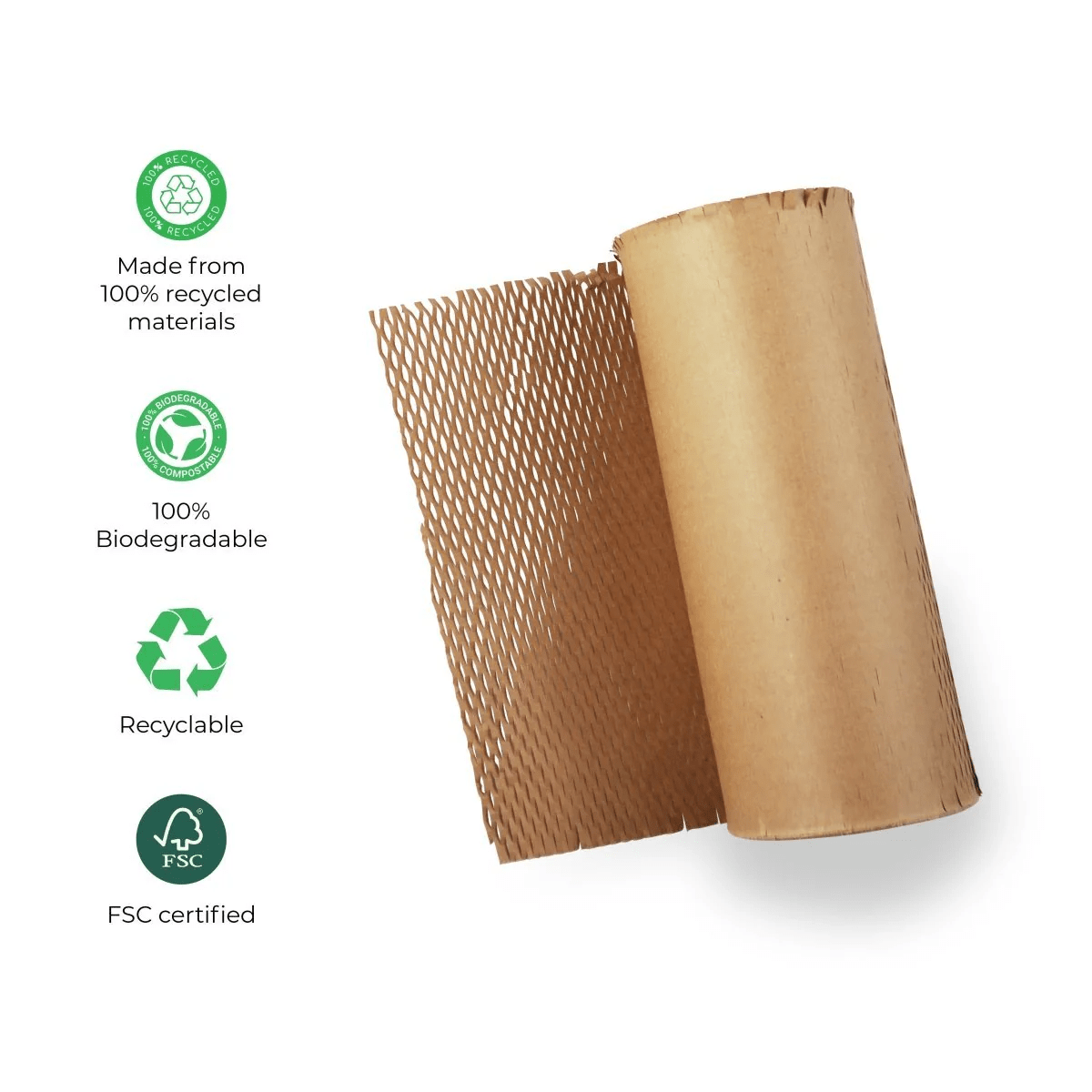
Eco-Friendly Options: At Eco Cushion Paper, we’re proud to offer eco-friendly bubble packaging alternatives that are made from recycled materials. It’s a great way to reduce your carbon footprint while still protecting your items!
Types of Bubble Packaging
You might think all bubble wrap is the same, but there are actually a few different types:
-
Standard Bubble Wrap: This is the most common type, with large bubbles that provide excellent protection for bigger items.
-
Mini Bubble Wrap: This type has smaller bubbles and is ideal for wrapping smaller or more delicate items that need extra protection.
-
Anti-Static Bubble Wrap: Used for electronics and sensitive items, this version of bubble wrap prevents static electricity from damaging components.
-
Biodegradable Bubble Wrap: For those who are environmentally conscious, this eco-friendly option decomposes faster than regular plastic, making it a sustainable choice for packaging.
Where is Bubble Packaging Used?
Bubble packaging is used in a variety of industries, from e-commerce to shipping services. Here are some common applications:
-
Online Retail: Many businesses use bubble wrap to protect products like electronics, glassware, cosmetics, and books when they’re shipped to customers.
-
Moving: Whether you’re moving houses or offices, bubble packaging can protect your fragile items, like dishes, vases, or even picture frames.
-
Warehousing: Companies store delicate goods in bubble wrap to keep them safe from dust, dirt, or accidental bumps.
-
Gift Wrapping: Sometimes, bubble wrap is even used to wrap special gifts to ensure they stay in one piece during transport.
How to Use Bubble Packaging Effectively
Using bubble packaging might seem simple, but there are a few tips to make sure you’re getting the best protection for your items:
-
Wrap it Tight: Make sure to wrap your item completely in bubble wrap. The more layers, the better! For fragile items, you might want to use multiple layers to ensure maximum protection.
-
Seal the Edges: Use tape to secure the bubble wrap in place. This prevents it from shifting during shipping or storage.
-
Fill Empty Spaces: When placing your wrapped item in a box, make sure to fill any empty spaces with more bubble wrap. This will prevent your item from moving around and help avoid any potential damage.
-
Choose the Right Size Bubbles: Consider the size and fragility of your item when selecting bubble wrap. Larger bubbles are better for bigger, sturdier items, while smaller bubbles are great for delicate, fragile goods.
The Eco-Friendly Aspect of Bubble Packaging
At Eco Cushion Paper, we understand the importance of sustainability, which is why we offer eco-friendly bubble packaging options. Traditional bubble wrap is made from plastic, which can take hundreds of years to decompose. However, eco-friendly bubble wrap is made from recycled materials or biodegradable plastics, reducing its environmental impact.
So, if you’re looking to reduce your carbon footprint while still ensuring your items are protected, consider using eco-friendly bubble packaging options like ours!
Conclusion
Bubble packaging is an essential tool for protecting fragile items during shipping or storage. Its lightweight, cost-effective, and versatile nature makes it a go-to for individuals and businesses alike. And with eco-friendly options available, you can make a positive impact on the environment while still ensuring your items are safe and sound.
So the next time you see those little bubbles, you’ll know exactly what they’re doing—keeping your products safe and secure! Ready to make the switch to eco-friendly bubble packaging? Check out our sustainable options at Eco Cushion Paper today.
