

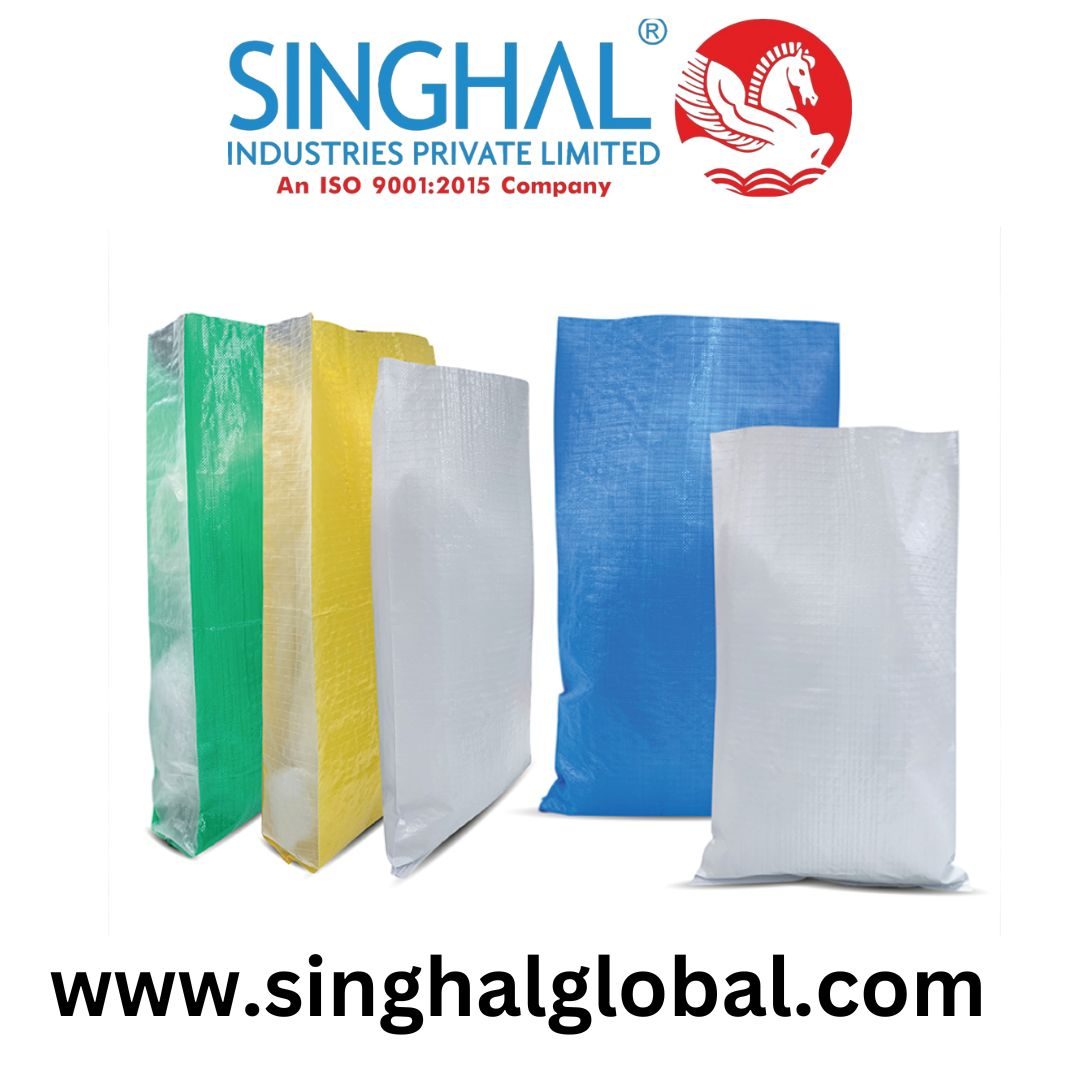
Advanced Packaging Materials
The packaging industry has emerging differently today, with the top three drivers being sustainability, durability, and utility. The trends that have been greatly influenced by consumer choice have led today’s companies to not only demand packaging materials or processes that withstand their chosen marketplace, being entirely single-use without evaluating sustainability concerns or cost-benefit analyses compared with environmental impact. Plastic bags they are named, are singular to everyone in the industry interested in the comparability of material durability to their chosen industry standard Non Woven Polypropylene Bags is specific to bags designed for long-term operation or utility, as the object or object with intended use that considers environment and operating environment includes limited products from packaging even with different pricing variants. This kind of packaging typically offers a lower-end product such as paper bags used to shipping with farm to table and artisanal marketplaces global account with the bulk and end product being industrial raw materials, while the product made is still accountable in the consumer narratives. Polypropylene bags have continued gaining traction around the globe with challenges of sustainability and reuse model, this type of packaging seems to be operating ahead and should be available time given the sustainability mapping and evaluation of innovative supply chain engines today.
Production Process and Composition Explained
The strength and functionality of these packages are a function of their manufacture. First, high quality polymer resins are melted and extruded into flat tapes, and from this a heavy woven fabric is built. It is noteworthy to mention that the manufacturing/extruding process has one of the greatest advantages due to the heavy working characteristics of the fabric a degree of tears and damage will not really affect its use – bags can be formed from a filmy, light process to heavy, durable functions. Additionally, these package products are proven resistant to moisture and chemicals, and consistent in their capability to haul all manner of contents. Unlike other products that may quickly deteriorate under extreme conditions (heavy rain, flat heat), these bags maintain their structure – which adds fair value at the very least for a shelf life across the storage and transportation functions on site. Overall, this generally translates into manufacturing excellence, and are generally held in high regard for use in spaces and places where construction and consistency are valued.
Applications in Agriculture, Retail, and Industry
In agriculture, they play a crucial role in storing and transporting grains, fertilizers, and seeds. Their breathability helps prevent spoilage, especially in humid conditions. The retail sector finds these packaging products useful for grocery shopping and product branding. With increasing consumer awareness around sustainability, businesses have adopted these bags as eco-conscious packaging alternatives. In the industrial domain, their ability to carry heavy loads has made them indispensable for transporting chemicals, cement, and construction materials. Their resistance to punctures and abrasions makes them the preferred choice in environments that demand rugged packaging. Whether in bulk supply chains or localized transportation, these bags deliver consistent results, enhancing operational efficiency across industries.
Environmental Impact and Reusability Factor
As the world moves to greener alternatives, reusable and recyclable material options are continuing to rise in demand. Unlike single-use plastic bags, these bags can be used multiple times without a decline in function. Importantly, they can be recycled which reduces waste in the environment and, refers to the circular economy. For companies seeking to lessen their carbon footprint, they offer an option for sustainable packaging. These bags provide a longer useful life cycle in use and little environmental impact compared to standard packaging that will go into landfills. Their lightweight alternative also means lower environmentally impact transportation emissions. Organizations that are acquiring Woven Polypropylene Bags are making a conscious decision to incorporate an environmentally responsible option in their packaging systems without downgrading their functions or aesthetics.
Customization and Branding Opportunities
Today, packaging is more than just functional; it is also part of branding and engaging with consumers. Bags provide great potential for customizations, so they can be very beneficial to companies looking to improve brand presence. Logos, company name, product information and a nice layout can easily be printed on those surfaces, while still maintaining the strength and usability of the material. Retailers and promotional businesses rely heavily on custom branded bags to portray their commitment to quality and sustainability. The print quality achievable on custom branded bags is generally of high quality, guaranteeing a crisp, professional look even after repeated use of the bag. Custom branded bags can be used at trade shows, product packaging, or giveaway items to consumers, while potentially serving as a walking advertisement, your brand reach can expand significantly for little cost. Because of its practical and visual aspects, bags can be a valuable asset in your marketing initiatives for years to come.
Supply Chain and Cost Efficiency
Another great benefit of these bags is they help with supply chain operations. They are much lighter which reduces freight costs and can have a huge impact on profitability for bulk orders. These bags are not like rigid packaging that can take up to much space; they are flexible and therefore can be easily organized and stacked. The durable material used also will reduce the number of times replacements will be needed ultimately reducing packaging costs in general. Bulk buyers comprehend the importance of even non-woven polypropylene bags wholesale as they are often after of bulk buy to take advantage of economies of scale to have a better pricing structure without compromising quality. Overall, operationally time is key in fast-moving manufacturing or agricultural sectors and these bags can help to decrease the issues with operations. Whether it be reducing overhead or improving packing operations the logistical side benefits can be enormous. It is clear businesses want to enhance their operational footprint and that is why they continuously choose to work with these practical values and benefits overall.
Challenges and Innovations in the Market
Although there are many benefits of these bags, they do come with certain drawbacks. Improper storage can reduce their lifespan, as can sunlight and overuse. The prevalence of low-cost substandard products available in the current markets has sometimes made consumers wary of these bags. Thankfully, the research and development continues to address these areas of concern. Manufacturers are now adding UV inhibitors as well as other lamination designs to provide longevity. Hybrid versions that combine the woven and non-woven nature have also increased usage and flexibility. Improvements in biodegradable additives and plant-derived resin to lower the environmental footprint are also in development. The market continues to embrace change, as consumer preferences are changing and regulations around single-use plastics are tightening, the industry continues to look for more innovative greener options. Continuous improvement ensures that this packaging format remains relevant, flexible and sensitive to both market and environmental priorities.
Growth Outlook and Market Trends
As more people understand sustainable living and environmental stewardship, the relationship between consumers and eco-friendly packaging options is at an all-time high. Governments are moving towards stricter regulations on plastic usage across the globe, which is putting even more pressure on sustainable packaging alternatives. The demand and market for sustainable bags will grow steadily, founded on the growth of global trade, agriculture, and industry. Emerging economies have been quick to adapt these bags for local and international logistics, while developed nations have a huge appreciation for the consumer appeals. Markets indicate that there are certainly trends moving from utilitarian and commercial use into more designs that are functional and visually branded. E-commerce has added to the demand, especially with retailers who are hoping to add packaging functionality while delivering a brand-quality package. If innovation continues, and companies use environmentally conscientious supply chains, eco-friendly bags will be a part of global packaging solutions for a long time.
Conclusion
Packaging is an important component for almost every industry because it impacts how products can be protected and shipped, as well as how consumers perceive the products. The emergence of strong, reusable and customizable materials has changed the standards of packaging, allowing companies a sustainable but less traditional option. Woven and non-woven polypropylene based solutions signify the evolution of packaging materials to provide strength, affordability, and responsible environmental stewardship within one innovative packaging solution. They offer adaptability unmatched whether in the agricultural sector, retail applications, or heavy industrial harbor applications. Sourcing options like Non Woven Polypropylene Bags Wholesale gives companies a scalable option to “step it up” at reasonable costs during growth transitions. As manufacturers manufacture more formidable flexible bags and market demand continues to grow for sustainable options, the next wave of responsible packaging practices is in the hands of reputable bags for good.
Frequently Asked Questions
What is the main difference between woven and non-woven polypropylene bags?
Woven polypropylene is made by weaving polypropylene tapes together, utilizing a mesh-like structure with high tensile strength that can withstand several times its weight in use for effective performance in heavy-duty use applications. Non-woven polypropylene is made from bonded fibers relies upon a smooth surface and the ability to print and is typically used for promotional purposes and lightweight bag applications.
Are they suitable for food-grade applications?
Yes, there are many manufacturers that provide food-safe versions that comply with the hygiene and safety standards. There are times when bags are used for grains, flour, and other agricultural products provided they are certified for food contact and the bags have the required inner linings if required.
Can these bags be machine washed and reused multiple times?
Yes, very easily! These bags are made for multiple use, they can be washed and reused multiple times with proper cleaning. Just avoid using harsh chemicals or sharp objects since those would ruin the bags. It is very sustainable compared to single-use plastic alternatives.
Why should companies purchase these bags in bulk?
Purchasing Non Woven Polypropylene Bags Wholesale will allow you to lower your costs, guarantee a steady supply of bags, guaranteed designated design choices, and buy at an economical price point. This is especially significant for companies that have large needs for packaging.
