

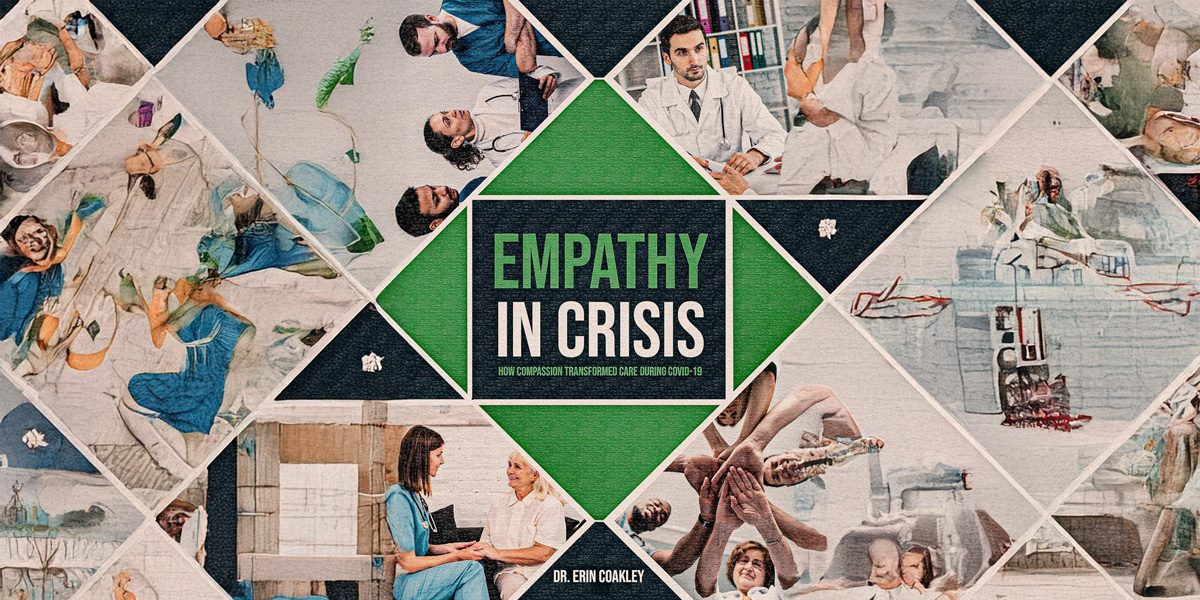
Imagine sitting in a hospital room, scared and alone. Machines beep around you, and the sterile smell of antiseptic fills the air. You’re anxious, unsure of what comes next. Then, a doctor walks in, sits beside you, and asks, “How are you really feeling?” That simple act—taking a moment to listen—can transform fear into hope.
This is the heart of Empathy in Crisis by Dr. Erin Coakley, a book that reminds us why compassion isn’t just kind—it’s life-changing.
Why Empathy Matters More Than Ever
In her latest book, Dr. Coakley shares deeply personal stories from her decades as a physician, showing how empathy lies at the core of healing. She argues that empathy isn’t just about being nice—it’s about seeing patients as whole people, not just medical cases.
When doctors and nurses take time to understand a patient’s fears, values, or cultural background, trust grows. And trust, as Coakley explains, is the secret ingredient that helps patients follow treatment plans, recover faster, and feel empowered in their care.
One story in the book stands out: A young patient with chronic leukemia felt defeated after years of treatment. But when his doctor took extra time to explain a groundbreaking new therapy—and believed in his ability to fight—the patient’s outlook shifted. His recovery wasn’t just about medicine; it was about hope.
The Magic of Listening
Good healthcare isn’t just about tests and prescriptions. It’s about human connection. Empathy in Crisis emphasizes that listening—truly listening—is as vital as any medical tool.
Coakley recalls how, early in her career, she learned to ask open-ended questions like, “What worries you most about this diagnosis?” These conversations often revealed fears patients hadn’t shared before, allowing her to tailor care to their emotional needs.
Take, for example, an elderly woman admitted for pneumonia. She stopped eating, convinced she wouldn’t survive. Instead of rushing her, a nurse sat beside her, learned she missed her dog, and arranged visits. The woman’s appetite returned, and her recovery began. Stories like these remind us that healing isn’t just physical—it’s emotional.
Breaking Down Cultural Walls
Healthcare isn’t one-size-fits-all. Coakley highlights how cultural sensitivity can make or break a patient’s experience. She shares cases where misunderstandings nearly led to medical errors—like when a patient’s religious beliefs clashed with standard treatments. But by asking questions and respecting differences, healthcare teams-built bridges instead of barriers.
One memorable example involves a patient who refused a blood transfusion due to his faith. Instead of dismissing his choice, the medical team worked with him to find alternatives, like iron supplements and close monitoring. This respect for his values not only honored his dignity but also strengthened his trust in the care he received.
Mentorship: Passing the Torch of Compassion
Empathy isn’t just for patients—it’s for healthcare workers, too. Coakley writes about the mentors who shaped her career, like a neurosurgeon who included her in surgeries even when she was just a nervous student. These small acts of guidance taught her that empathy starts with how teams treat each other.
She also shares a touching story about a young intern struggling during a night shift. Instead of criticizing her, a senior resident gently guided her through a high-pressure procedure. That moment didn’t just save a patient—it gave the intern the confidence to keep going. Coakley reminds us that kindness among colleagues isn’t just nice; it’s what keeps hospitals running.
How We Can All Practice Empathy
Empathy in Crisis doesn’t just tell stories—it offers practical lessons we can all use.
Coakley suggests simple steps, like sitting (not standing) at a patient’s bedside to show you’re fully present. She also encourages healthcare workers to ask, “What name do you prefer?”—a small but meaningful way to honor a patient’s identity.
But empathy isn’t just for hospitals. The book urges everyone—from doctors to teachers to parents—to practice active listening, ask thoughtful questions, and pause before reacting in tense moments. These habits don’t just improve healthcare—they strengthen families, friendships, and communities.
Why This Book Matters Now
Today, even as we move beyond the height of the pandemic, healthcare burnout is at an all-time high. Many doctors and nurses feel emotionally drained, and patients are seeking care in an overwhelmed system. Empathy in Crisis is more relevant than ever showing us that healing isn’t just about medicine but about how we show up for one another.
At a time when healthcare workers are stretched thin, this book is a call to bring compassion back to the center of care. It’s a reminder that, even in a fast-paced world, human connection is our greatest strength.
A Call to See the Human Behind the Diagnosis
At its core, Empathy in Crisis is a call to action. It challenges us to look beyond charts and symptoms and see the person in front of us. Whether you’re a doctor, a teacher, or a neighbor, empathy is a choice—one that can ease suffering and spark healing in ways we often underestimate.
Ready to Explore More?
If this glimpse into the power of empathy resonates with you, pre-order your copy of Empathy in Crisis today. Dr. Erin Coakley’s heartfelt stories and practical wisdom will inspire you to see compassion not as a luxury but as a lifeline—for patients, caregivers, and everyone in between.
Let this book remind you that even in crisis, human connection is what heals us. Pre-order now!
