

“Muscle Relaxants Market Size And Forecast by 2030
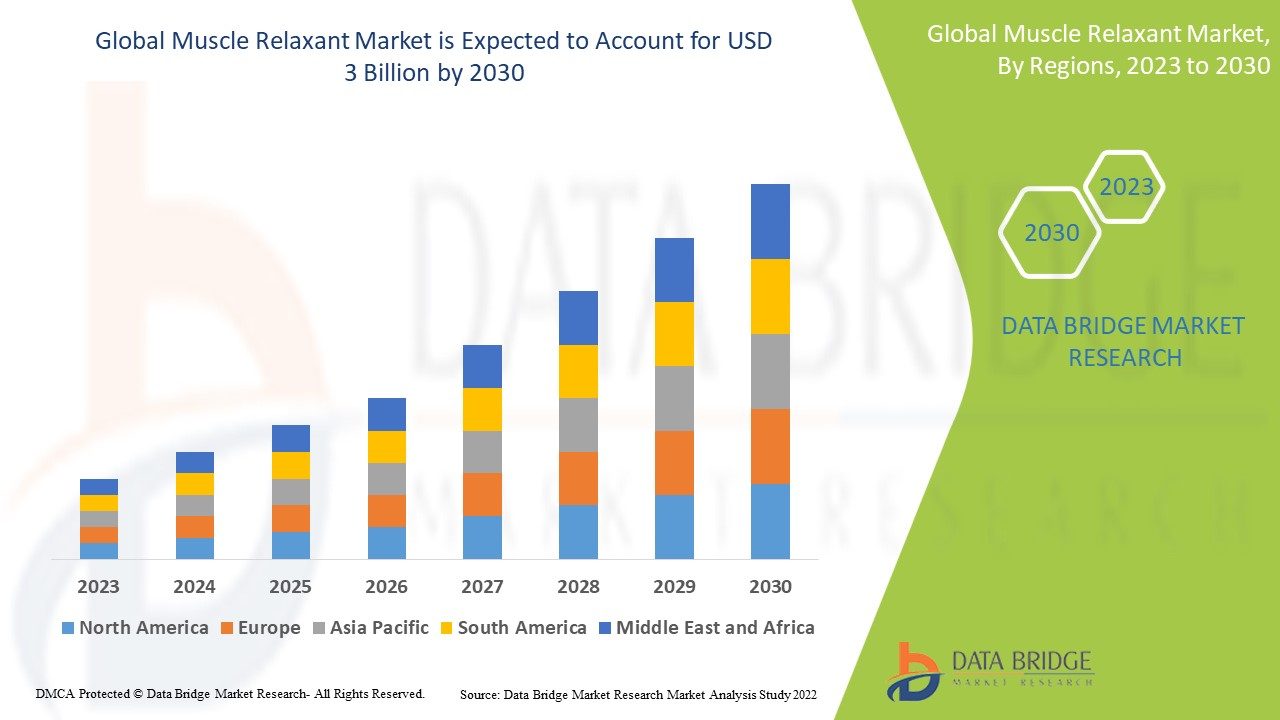
According to Data Bridge Market Research Data Bridge Market Research analyses that the Global Muscle Relaxants Market which was USD 1.68 Billion in 2022 is expected to reach USD 3 Billion by 2030 and is expected to undergo a CAGR of 7.50% during the forecast period of 2022 to 2030.
Our comprehensive Muscle Relaxants Market report is ready with the latest trends, growth opportunities, and strategic analysis. https://www.databridgemarketresearch.com/reports/global-muscle-relaxants-market
**Segments**
– **Product Type**: The muscle relaxants market can be segmented based on the type of product, including neuromuscular blockers, benzodiazepines, and others. Neuromuscular blockers are commonly used in surgical settings to induce muscle relaxation, while benzodiazepines are more often used for short-term relief of muscle spasms.
– **Application**: Muscle relaxants are utilized in various medical conditions and settings. The market can be segmented based on application, including muscle spasms, neuromuscular diseases, and musculoskeletal conditions. Each application area may have specific requirements and preferences for muscle relaxant products.
– **Distribution Channel**: The distribution of muscle relaxants plays a critical role in ensuring accessibility to patients. Market segmentation based on distribution channels includes hospital pharmacies, retail pharmacies, and online pharmacies. The ease of access and availability of muscle relaxants can vary across these channels.
**Market Players**
– **AbbVie Inc.**: AbbVie Inc. is a prominent player in the muscle relaxants market, offering products such as BOTOX for therapeutic use in muscle disorders. The company’s strong presence in the pharmaceutical industry contributes to its competitive position in the market.
– **Johnson & Johnson Services, Inc.**: Johnson & Johnson Services, Inc. has a diverse portfolio of pharmaceutical products, including muscle relaxants for various indications. The company’s focus on innovation and research drives its growth in the muscle relaxants market.
– **Pfizer Inc.**: Pfizer Inc. is a key player in the global muscle relaxants market, with a range of products catering to muscle-related conditions. The company’s commitment to quality and patient care solidifies its position in the market.
– **Merck & Co., Inc.**: Merck & Co., Inc. offers muscle relaxant products that address the needs of patients with muscle disorders. The company’s strong distribution network and global presence enhance its market reach and competitiveness.
– **Novartis AG**: Novartis AG is a leading pharmaceutical company with muscle relaxant products that are widely used in clinical practice. The company’s focus on research and development underpins its strong position in the muscle relaxants market.
– **Sun Pharmaceutical Industries Ltd.**: Sun Pharmaceutical Industries Ltd. is a key player in the muscle relaxants market, offering a range of products that cater to different patient populations. The company’s emphasis on affordability and accessibility contributes to its market success.
The global muscle relaxants market is a dynamic sector with key players driving innovation and market growth. Understanding the market segments and key players is essential for stakeholders to make informed decisions and tap into opportunities within the market.
https://www.databridgemarketresearch.com/reports/global-muscle-relaxants-market The global muscle relaxants market continues to witness significant growth due to the rising prevalence of musculoskeletal disorders and an increase in surgical procedures worldwide. One of the key trends shaping the market is the growing focus on developing advanced formulations and treatment options for improved patient outcomes. Market players are investing heavily in research and development activities to introduce novel muscle relaxant products with enhanced efficacy and safety profiles. Additionally, partnerships and collaborations between pharmaceutical companies and healthcare providers are further driving market expansion by facilitating the availability of muscle relaxants in various healthcare settings.
Furthermore, the market segmentation based on product type allows for a targeted approach in addressing specific medical conditions. Neuromuscular blockers, such as succinylcholine and rocuronium, are extensively used during surgeries to achieve muscle relaxation and facilitate intubation. On the other hand, benzodiazepines like diazepam and lorazepam are commonly prescribed for the management of acute muscle spasms and spasticity. This segmentation enables healthcare providers to select the most appropriate muscle relaxant based on the indication, thus improving treatment outcomes and patient satisfaction.
The application-based segmentation of the muscle relaxants market highlights the diverse therapeutic areas where these medications are utilized. Muscle relaxants play a crucial role in managing conditions such as muscle spasms, neuromuscular diseases like multiple sclerosis, and musculoskeletal disorders including low back pain and fibromyalgia. Tailoring muscle relaxant therapies according to the specific application can lead to more targeted treatment strategies and better clinical outcomes for patients. Moreover, the distribution channel segmentation underscores the importance of ensuring the accessibility and availability of muscle relaxants to a wide patient population. Hospital pharmacies, retail pharmacies, and online pharmacies serve as crucial channels for distributing these medications, each offering unique advantages in terms of convenience and reach.
In conclusion, the global muscle relaxants market is characterized by a competitive landscape with key players driving innovation and market growth. As the demand for muscle relaxant products continues to rise, stakeholders must stay abreast of market trends and developments to capitalize on emerging opportunities. By understanding the market segments and the strategies adopted by leading pharmaceutical companies, stakeholders can make informed decisions to navigate the dynamic landscape of the muscle relaxants market.**Segments**
Global Muscle Relaxant Market, By Type (Skeletal Muscle Relaxant, Neuromuscular Relaxant, Others), Route of Administration (Oral, Parenteral, Others), End-Users (Hospitals, Homecare, Specialty Clinics, Others), Distribution Channel (Hospital Pharmacy, Retail Pharmacy, Online Pharmacies, and Others) – Industry Trends and Forecast to 2030.
Muscle relaxants play a crucial role in managing various medical conditions, with the global market witnessing significant growth driven by the increasing prevalence of musculoskeletal disorders and the rising number of surgical procedures worldwide. The market segmentation based on different types of muscle relaxants such as Skeletal Muscle Relaxants, Neuromuscular Relaxants, and others allows for a targeted approach to address specific medical needs. Furthermore, considering the diverse route of administrations like oral, parenteral, and others, the muscle relaxants market caters to a wide range of patient preferences and medical requirements. End-users of muscle relaxants span across hospitals, homecare settings, specialty clinics, and others, emphasizing the versatility and widespread application of these medications in various healthcare settings. The distribution channels, including hospital pharmacies, retail pharmacies, online pharmacies, and others, ensure the accessibility and availability of muscle relaxants to a broad patient population, enhancing the reach and convenience of these products.
**Market Players**
– F. Hoffmann-La Roche Ltd. (Switzerland)
– Mylan N.V. (U.S.)
– Teva Pharmaceutical Industries Ltd. (Israel)
– Sanofi (France)
– Pfizer Inc. (U.S.)
– GSK plc (U.K.)
– Novartis AG (Switzerland)
– AstraZeneca (U.K.)
– Johnson & Johnson Private Limited (U.S.)
– Sun Pharmaceutical Industries Ltd. (India)
– Merck & Co., Inc. (U.S.)
– Lilly (U.S.)
– Amgen Inc. (U.S.)
– Endo International Inc (Ireland)
– Sandoz International GmbH (Switzerland)
The muscle relaxants market is characterized by intense competition among key players aiming to drive innovation and market growth. Companies such as F. Hoffmann-La Roche Ltd., Pfizer Inc., and Novartis AG are leading the market with a diverse portfolio of muscle relaxant products catering to various medical conditions. The focus on research and development, coupled with strategic partnerships and collaborations, enables market players to introduce novel formulations and treatment options to enhance patient outcomes. Additionally, the market presence of reputed pharmaceutical companies like Johnson & Johnson Private Limited and GSK plc underscores the global reach and influence of these players in shaping the muscle relaxants market landscape.
The collaborative efforts between pharmaceutical companies and healthcare providers facilitate the availability of muscle relaxants in different healthcare settings, contributing to the market expansion. Moreover, the industry trends indicate a growing emphasis on developing advanced formulations and treatment modalities to meet the evolving needs of patients with muscle-related disorders. As stakeholders navigate this dynamic landscape, staying informed about market segments, emerging trends, and the strategies of key market players is crucial to capitalize on opportunities and drive sustainable growth in the global muscle relaxants market.
The market is highly fragmented, with a mix of global and regional players competing for market share. To Learn More About the Global Trends Impacting the Future of Top 10 Companies in Muscle Relaxants Market : https://www.databridgemarketresearch.com/reports/global-muscle-relaxants-market/companies
Key Questions Answered by the Global Muscle Relaxants Market Report:
- What is the current state of the Muscle Relaxants Market, and how has it evolved?
- What are the key drivers behind the growth of the Muscle Relaxants Market?
- What challenges and barriers do businesses in the Muscle Relaxants Market face?
- How are technological innovations impacting the Muscle Relaxants Market?
- What emerging trends and opportunities should businesses be aware of in the Muscle Relaxants Market?
Browse More Reports:
https://www.databridgemarketresearch.com/reports/global-non-resilient-flooring-market
https://www.databridgemarketresearch.com/reports/global-concentrated-photovoltaic-market
https://www.databridgemarketresearch.com/reports/global-healthcare-regulatory-affairs-outsourcing-market
https://www.databridgemarketresearch.com/reports/global-polypropylene-nonwoven-fabric-market
https://www.databridgemarketresearch.com/reports/global-warehouse-management-logistics-market
Data Bridge Market Research:
☎ Contact Us:
Data Bridge Market Research
US: +1 614 591 3140
UK: +44 845 154 9652
APAC: +653 1251 982
✉ Email: corporatesales@databridgemarketresearch.com“
