

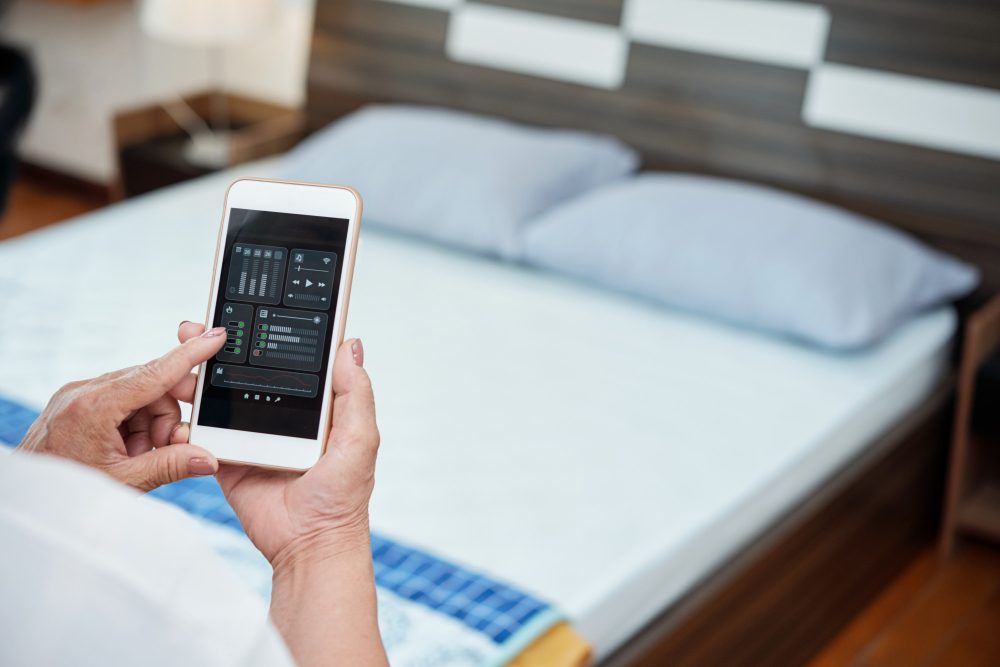
Getting a decent night’s sleep might frequently feel like a luxury in today’s hectic environment. Many people have trouble sleeping, whether it is because of work-related stress, excessive screen time, or just bad sleeping habits. But technological development, especially in the area of artificial intelligence, has created fresh avenues for tackling this problem. With individualized insights and suggestions that can improve our general well-being, AI-powered smartphone apps are completely changing how we track and optimize our sleep.
In this post, we will look at how artificial intelligence is changing sleep monitoring through smartphone apps and the possible advantages of utilizing them to enhance both the quality and health of sleep. If you want to make an AI-powered sleep app, working with a mobile app development business in Austin can guarantee that you produce a cutting-edge, approachable platform that improves people’s quality of sleep.
AI in Sleep Monitoring: The New Era of Restful Nights
Our general health depends on sleep, but millions of people find it difficult to obtain enough healthy sleep. Mobile apps may now measure health parameters, monitor sleep patterns, and provide insights to help users get better sleep thanks to artificial intelligence. With the use of sophisticated algorithms, these AI-powered apps collect information about a user’s sleeping patterns and then offer practical suggestions for improved sleep.
1. Personalized Sleep Tracking
AI-driven sleep apps enhance sleep monitoring in a number of ways, including through customized sleep tracking. Sleep cycles, heart rate, movement, and even breathing patterns are all tracked by these apps using a range of sensors (either integrated into the smartphone or via wearable technology like smartwatches). This data is analyzed by AI systems to produce insights about the user’s sleeping patterns and quality.
For instance, the app might identify trends like the amount of time spent sleeping deeply or the frequency of nighttime awakenings. With this information, the AI may recommend specific modifications to help people sleep better, such changing bedtime habits or making the sleep environment better.
2. Sleep Cycle Analysis
AI-powered applications examine users’ sleep cycles in greater detail than basic sleep tracking. These apps track how long users spend in the light, deep, and REM sleep stages and offer information on the effects of these cycles on general health. These apps might also provide recommendations on how to increase the amount of time spent in deep sleep, which is crucial for both physical recuperation and general well-being.
The app may recommend that users modify their sleeping environment (e.g., lessen exposure to light or noise) or practice relaxation techniques prior to bedtime if it detects that users are often waking up during REM sleep.
3. AI-Driven Sleep Recommendations
In addition to monitoring your sleep, AI can provide tailored suggestions based on the information it gathers. These suggestions could be anything from the best time to go to bed depending on your circadian rhythm to suggestions for relaxation techniques that will help you fall asleep more quickly.
Some apps even employ artificial intelligence (AI) to recommend the optimal times to sleep based on the user’s circadian rhythm. To improve the quality of your sleep, the app might advise moving your bedtime to a later hour if you typically feel more alert at night.
To encourage better sleep, AI-powered apps can recommend lifestyle modifications in addition to nighttime habits, such cutting back on caffeine, increasing physical activity during the day, or engaging in mindfulness exercises.
4. Sleep Environment Optimization
Setting up the ideal environment is crucial for restful sleep. Apps with AI capabilities may measure things like light exposure, noise levels, and room temperature to provide you input on how to improve your sleeping environment. The app can suggest changes to enhance the quality of your sleep by examining the effects of various variables on your sleep.
The app might recommend lowering the temperature or adding blackout curtains, for instance, if it determines that the space is too warm or too bright. Creating a suitable sleep environment is made easier by certain apps that even interact with smart home devices, enabling users to make changes with a single tap.
5. Stress Reduction and Relaxation Features
A prominent cause of restless nights is stress and worry, and AI-powered sleep apps come with capabilities to assist users unwind before bed. Numerous apps incorporate relaxation techniques, such breathing exercises, guided meditation, or calming music, which are intended to ease anxiety and encourage deeper sleep.
AI is also capable of tailoring these relaxing techniques according to the user’s preferences or stress levels. For instance, if the app determines that the user is experiencing high levels of stress based on heart rate or other measurements, it can suggest calming music or particular mindfulness activities to help them relax.
The Benefits of Using AI for Sleep Monitoring
1. Improved Sleep Quality
AI-powered sleep apps can assist users in identifying factors that impact their quality of sleep by giving them comprehensive insights into their sleep habits. Whether it is irregular bedtimes, uncomfortable sleeping conditions, or unhealthy eating patterns, artificial intelligence (AI) can identify problem areas and provide customized solutions to encourage better sleep.
2. Enhanced Well-being and Productivity
Overall wellbeing is intimately related to getting enough sleep. AI-powered applications enhance the quality of sleep, which improves mood, energy levels, and mental clarity. Users who get restorative sleep feel more focused, productive, and prepared to take on their everyday tasks with energy.
3. Long-Term Health Benefits
Serious health issues like an elevated risk of heart disease, obesity, and diabetes can result from chronic sleep deprivation. Users can improve their long-term health and lower the hazards connected with bad sleep habits by utilizing AI to monitor and improve their sleep. Regular tracking and tailored suggestions might help users develop better sleep habits that promote mental and physical well-being.
4. Customization Based on User Needs
AI-powered apps, as opposed to general sleep guidance, provide individualized insights based on each user’s particular sleep requirements and behaviors. Through personalization, users can address their unique sleep issues, such as difficulty getting asleep, staying asleep, or attaining deep, restorative sleep.
5. Convenient and Accessible Monitoring
From the convenience of their homes, consumers may more easily keep an eye on their sleeping patterns thanks to AI-powered smartphone apps. In contrast to more expensive and time-consuming traditional sleep tests, these apps offer continuous, real-time monitoring. It allows users to monitor their progress over time and make necessary adjustments without going to a sleep clinic.
Why Choose a Mobile App Development Company Austin for Your Sleep App?
If you want to develop an AI-driven sleep tracking application, collaborating with a mobile app development company Austin is a fantastic method to make your vision a reality. Austin is the perfect place to create an app that combines AI with cutting-edge health tracking features because it is home to some of the most creative digital companies and developers. You can make sure your app is easy to use, intuitive, and has the newest sleep tracking and health technology by working with a local development team.
The Future of AI in Sleep Monitoring
Sleep monitoring and wellbeing have a very promising future, especially if AI develops further. AI-powered sleep apps will advance in accuracy as technology develops, providing users with more individualized recommendations, enhanced integration with other health-tracking apps and gadgets, and an enhanced understanding of their sleep cycles. AI may also soon be able to provide real-time environment modifications to users to enhance their sleep quality and provide a genuinely dynamic sleep experience.
Conclusion
Mobile sleep monitoring apps with AI capabilities provide a creative way to enhance both the quality of sleep and general wellbeing. By offering tailored insights, monitoring sleep patterns, and suggesting adjustments to sleeping patterns and surroundings, these applications assist users in obtaining better sleep and leading healthier lives. Working with a mobile app development business in Austin if you are intending to make a sleep app will guarantee that it will be unique in the cutthroat wellness market and offer customers who want to enhance their health and sleep quality genuine value.
FAQs
- How do AI-powered sleep apps monitor my sleep?
Using sensors in your device or wearable technology like smartwatches, AI-powered sleep apps monitor a variety of variables, including your heart rate, movement during the night, and sleep cycles.
- Can AI apps help improve my sleep environment?
Indeed, artificial intelligence (AI) applications provide recommendations for enhancing your sleeping environment and enhancing the quality of your sleep by analyzing variables like temperature, light, and noise levels.
- Are AI-powered sleep apps customizable to my needs?
Yes, you can improve your sleep quality with AI tools that provide tailored insights and suggestions based on your own sleep habits, preferences, and patterns.
- Can AI apps help me fall asleep faster?
Indeed, AI apps can help you fall asleep more quickly by providing mindfulness exercises, relaxation methods, and recommendations for bettering your nighttime routine.
- Why should I work with a mobile app development company Austin for my sleep app?
The knowledge and experience of a mobile app development business in Austin allows them to design cutting-edge, user-friendly apps with AI capabilities that track and enhance sleep.
