

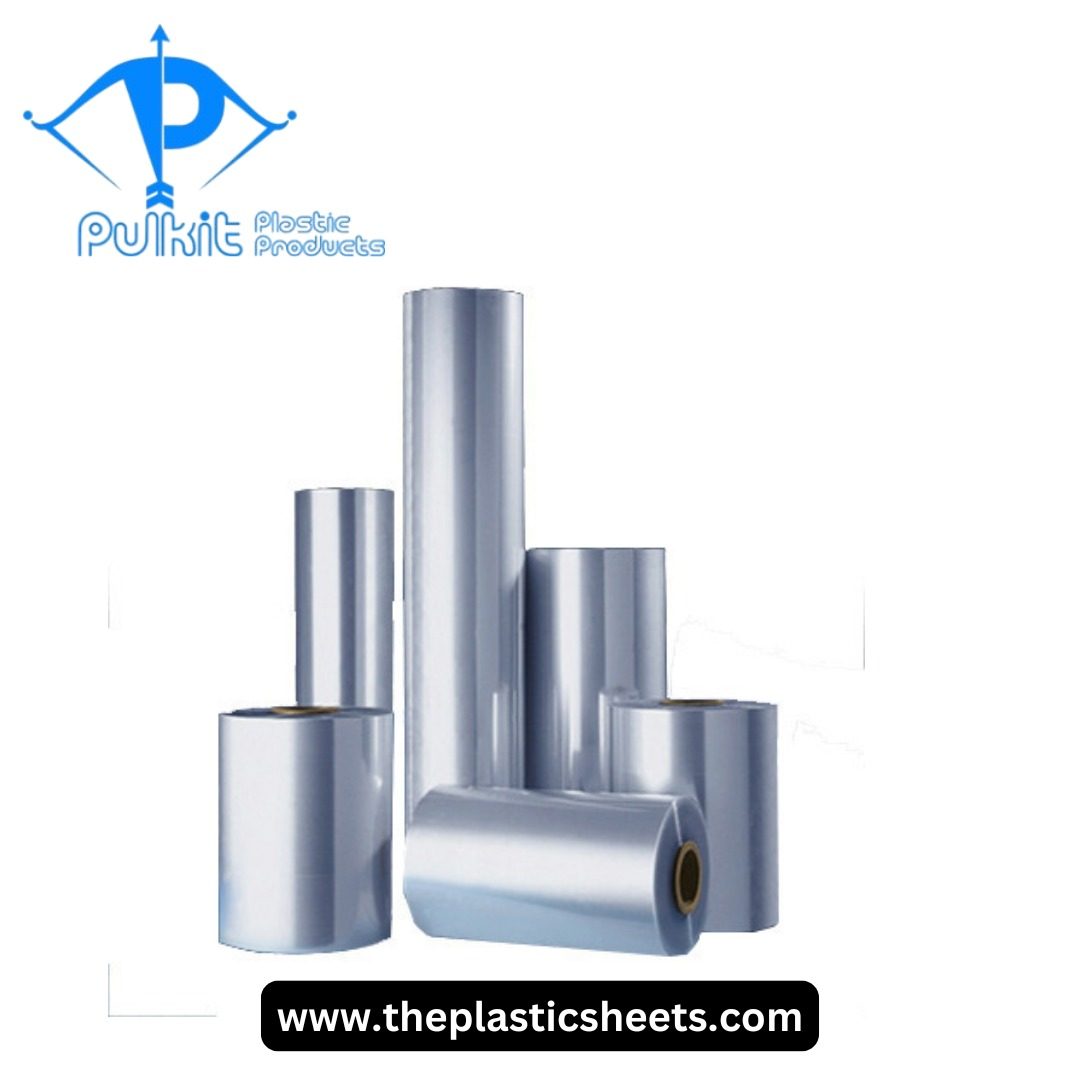
When it comes to packaging materials, businesses are continually looking for ways to improve both cost-effectiveness and performance. One material that has gained immense popularity due to its flexibility, durability, and cost-efficiency is LDPE shrink film. Low-Density Polyethylene (LDPE) shrink film is an incredibly versatile packaging solution that offers excellent protection, enhanced product visibility, and easy-to-use characteristics. Whether you’re packaging products for retail, shipping, or industrial use, LDPE shrink film can offer the right balance of strength, flexibility, and cost-effectiveness for your needs.
In this article, we’ll explore the benefits, applications, and features of LDPE shrink film, helping you understand why it’s one of the most sought-after packaging materials on the market today. We’ll also answer common questions about its use to give you a comprehensive understanding of how this packaging solution works and why it’s an excellent choice for various industries.
What is LDPE Shrink Film?
LDPE Shrink Film is a type of thermoplastic film made from low-density polyethylene, a polymer known for its flexibility, strength, and chemical resistance. When heated, LDPE shrink film shrinks tightly around the object it’s covering, conforming to the shape of the product. This shrinkage process provides an airtight, tamper-evident seal that can help protect products from damage, dirt, and contamination during storage or transport.
LDPE shrink film is commonly used in a wide range of packaging Pulkit Plastic Products applications, including retail products, bundled items, and industrial goods. It is often used with shrink-wrapping machines that apply heat to the film, allowing it to shrink around the product and create a secure, protective covering.
Why Choose LDPE Shrink Film?
There are many reasons why LDPE shrink film is the go-to choice for businesses that need a reliable, cost-effective packaging solution. Here are some of the key benefits of using LDPE shrink film for your packaging needs:
1. Versatility in Packaging
One of the most significant advantages of LDPE shrink film is its versatility. The film can be used to package a wide range of products, from consumer goods like bottled drinks, cans, and electronics, to industrial products like machinery parts and large equipment. Its ability to shrink and form tightly around different shapes makes it suitable for both small and large packaging requirements. LDPE shrink film can also be used for both individual items and multipacks, making it an all-around packaging solution.
2. Cost-Effectiveness
Compared to other packaging materials such as corrugated boxes or clamshell packaging, LDPE shrink film is incredibly cost-effective. It is lightweight and inexpensive to produce, which can help reduce overall packaging costs. Additionally, because the film conforms tightly to the product, it minimizes the amount of material required to package each item, which can result in savings on material costs.
3. Enhanced Protection
LDPE shrink film provides excellent protection for your products. The shrinkage process creates a snug, tight-fitting seal that can protect against dust, dirt, moisture, and other external contaminants. For products that need to be stored or transported, the film helps maintain the integrity of the product by providing a barrier against physical damage, tampering, and environmental exposure.
Moreover, the tamper-evident nature of shrink film is an added bonus. The film is often difficult to reseal once it’s been shrunk around the product, making it easy for consumers and businesses alike to detect any signs of tampering.
4. Clear Visibility and Branding Opportunities
LDPE shrink film is available in clear and tinted varieties, offering excellent product visibility for consumers. The clarity of the film allows the packaging to showcase the product inside, making it easier for customers to see what they’re purchasing. This is especially beneficial in retail environments, where the visual appeal of a product can influence purchasing decisions.
Additionally, LDPE shrink film can be printed with branding, logos, and product information. This provides an excellent opportunity for businesses to promote their brand while ensuring that the packaging serves both functional and marketing purposes.
5. Environmental Benefits
LDPE shrink film is a relatively eco-friendly packaging material compared to some alternatives. LDPE is recyclable, and the thin nature of the film means that less material is required to package products. In many cases, LDPE shrink film can be recycled with other plastic materials, which helps reduce environmental waste. Many companies also use post-consumer recycled LDPE film in the production of new packaging, further contributing to sustainability.
Common Applications of LDPE Shrink Film
LDPE shrink film is used in a wide array of industries, each of which benefits from the unique properties of the material. Below are some of the most common applications of LDPE shrink film:
1. Retail Packaging
In the retail industry, LDPE Shrink film roll is widely used for packaging products like bottles, cans, multi-packs, and trays of food. The film helps protect the items from damage during transportation and ensures they are securely sealed for sale. Products wrapped in LDPE shrink film are easier to handle and store, and the clear film allows customers to view the product before purchasing.
2. Food and Beverage Packaging
LDPE shrink film is commonly used in the food and beverage industry for packaging items like bottled drinks, frozen food, and snack foods. The film’s ability to form tight seals ensures that food remains fresh and protected from contamination. The packaging also offers excellent visibility, allowing consumers to see the product while maintaining its shelf life.
3. Electronics Packaging
When packaging electronics like mobile phones, tablets, or computer accessories, LDPE shrink film provides protection against dust, moisture, and accidental damage. The shrink film’s snug fit ensures that products are safe and secure, while also maintaining a professional appearance that is crucial for consumer goods.
4. Industrial and Bulk Packaging
LDPE shrink film is also used in industrial applications for packaging bulk goods, machinery, and parts. Its strength and resistance to environmental factors make it an ideal material for industrial products that require secure packaging during storage and transportation. The film can hold large, heavy items together while preventing contamination and damage.
How to Use LDPE Shrink Film
The process of using LDPE shrink film involves several simple steps, primarily focused on ensuring the film is applied correctly for maximum effectiveness. Here’s how to use LDPE shrink film for packaging:
-
Prepare the Product: Begin by placing the product on the conveyor or in the shrink-wrapping machine. If you’re packaging multiple items, group them together as needed.
-
Cut the Film to Size: Measure and cut a piece of LDPE shrink film that is large enough to wrap around the product or products securely. The film should overlap slightly to ensure a tight fit.
-
Apply the Film: Place the product inside the shrink film, ensuring that the film covers the entire item. Some machines use a sleeve of shrink film that is pre-formed and just needs to be placed around the product.
-
Apply Heat: Use a heat gun, heat tunnel, or shrink-wrapping machine to apply heat to the film. The heat causes the film to shrink tightly around the product, conforming to its shape.
-
Inspect the Package: After the film has shrunk, check the package to ensure it is securely sealed and there are no holes or loose areas. The shrink film should be snug, with no slack.
-
Label and Ship: If necessary, add labels, barcodes, or product information to the shrink-wrapped package. The packaged items are now ready for distribution, sale, or storage.
Conclusion
LDPE shrink film is an excellent packaging material known for its flexibility, strength, and cost-effectiveness. Whether you are in the retail, food, electronics, or industrial sector, LDPE shrink film provides a secure, protective solution that can improve product presentation, enhance brand visibility, and reduce packaging costs. Its versatility, environmental benefits, and ease of use make it a go-to choice for businesses worldwide. By adopting LDPE Shrink film in India for your packaging needs, you can ensure your products stay safe, secure, and ready for distribution.
FAQs
1. Is LDPE shrink film biodegradable?
LDPE shrink film is not biodegradable, but it is recyclable. It can be collected and recycled along with other plastic materials. Many recycling programs accept LDPE shrink film, which helps minimize its environmental impact.
2. Can LDPE shrink film be used for packaging food?
Yes, LDPE shrink film is commonly used for food packaging. It is FDA-approved for food contact and helps protect food products from contamination, moisture, and tampering. However, it’s important to ensure that the film is suitable for the specific food items you are packaging.
3. How does LDPE shrink film compare to PVC shrink film?
LDPE shrink film is more flexible and less rigid than PVC shrink film, making it a better option for products that require a snug fit. LDPE also has better environmental benefits, as it is generally considered safer to recycle than PVC, which can release harmful chemicals during the recycling process.
4. Can LDPE shrink film be printed?
Yes, LDPE shrink film can be printed with various designs, logos, and product information. The clarity of the film allows for vibrant printing, making it an ideal choice for businesses looking to showcase their branding or add important information to their packaging.
