

Digital Signage Cloud Server: The Future of Content Management and Distribution
In today’s fast-paced digital world, businesses are continuously seeking ways to enhance communication, engage audiences, and streamline operations. Digital signage has proven to be an effective way to achieve these goals, with displays used in various industries such as retail, transportation, hospitality, and corporate environments. The introduction of the digital signage cloud server has further revolutionized this technology by offering businesses a more flexible, scalable, and cost-effective way to manage and distribute content to multiple screens across various locations.
What is a Digital Signage Cloud Server?
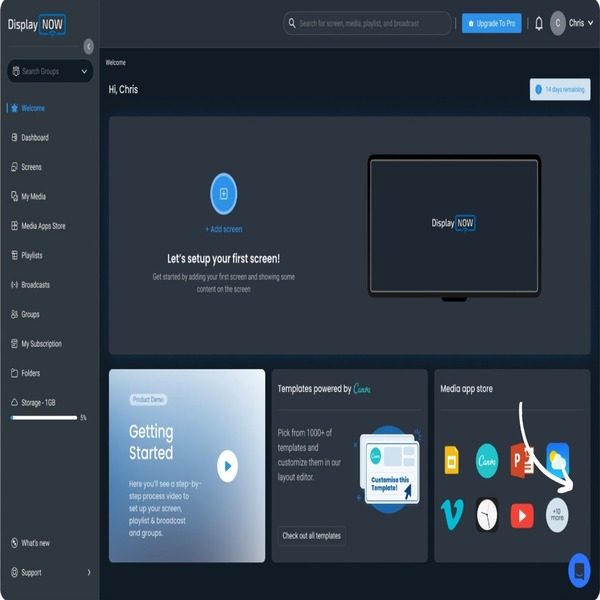
A digital signage cloud server is a cloud-based platform designed to store, manage, and distribute content to digital displays remotely. Unlike traditional on-premise solutions that require local servers and hardware, a cloud server is hosted offsite and accessible via the internet. This means businesses can update, schedule, and monitor content across all connected displays from any device with internet access, whether on-site or remotely.
By using a cloud-based solution, businesses can centralize their content management, allowing for greater control over what is shown on screens in real-time. Digital signage cloud servers are designed to support a wide range of multimedia content formats, from images and videos to dynamic data streams, and can be tailored to meet specific needs across industries.
Benefits of a Digital Signage Cloud Server
-
Centralized Control and Easy Content Management
One of the key advantages of digital signage cloud server is the ability to manage content from a central location. Whether your digital signage network consists of a single display or hundreds spread across multiple locations, the cloud server allows you to update content across all screens simultaneously. This centralized approach eliminates the need for manual updates at each individual screen, saving time and reducing the risk of errors. Additionally, content scheduling can be automated, ensuring the right messages are displayed at the right time.
-
Real-Time Updates and Flexibility
Digital signage cloud servers provide the flexibility to update content in real-time. For businesses that need to display time-sensitive information—such as live promotions, news updates, or emergency alerts—being able to make instant changes is invaluable. For example, a retail store can quickly change advertisements or sales promotions across all locations or adjust messaging based on real-time events, like sporting scores or traffic conditions. This agility is a powerful tool for maintaining engagement and ensuring your messaging is always relevant.
-
Scalability
Cloud servers offer unmatched scalability. As a business grows and expands to new locations or adds more screens, a cloud-based system can easily accommodate the added load without requiring major infrastructure changes. This makes cloud digital signage an ideal choice for businesses of any size—from small retailers with a few displays to large enterprises with hundreds or even thousands of screens. The cloud-based nature allows businesses to expand their digital signage networks as needed, with minimal effort.
-
Remote Management
With a Chromecast digital signage, businesses can manage content from anywhere in the world, as long as they have internet access. This remote management capability is particularly beneficial for companies with multiple locations or for businesses that want to oversee operations while traveling. For instance, a manager at a corporate office can oversee and control digital signage displays in retail stores, airports, or hotels from their mobile phone or computer. This flexibility makes it easier to stay connected and keep displays running smoothly, no matter where you are.
-
Cost-Effective
Traditional digital signage systems often involve expensive hardware, installation costs, and ongoing maintenance for local servers. In contrast, digital signage cloud servers typically operate on a subscription basis, which means lower upfront costs and predictable monthly expenses. The cloud provider takes care of server maintenance, security updates, and hardware management, reducing the need for dedicated in-house IT staff. Additionally, businesses can save on physical infrastructure, as cloud storage eliminates the need for large data centers or on-premise equipment.
-
Enhanced Security
Security is a key concern for businesses when managing digital signage content, especially when dealing with sensitive or proprietary information. Cloud service providers implement robust security measures, including encryption, secure data transfer protocols, and regular security updates. Furthermore, cloud-based systems often offer automatic data backup and disaster recovery options, ensuring that content is protected in the event of a technical failure.
-
Analytics and Reporting
Many digital signage cloud servers come with built-in analytics and reporting features. These tools allow businesses to track how content is performing across different locations and screens. For example, you can monitor how often a promotion is viewed, how long a customer engages with a specific ad, and when displays are active. This valuable data can be used to refine content strategies, optimize display schedules, and improve audience engagement. Understanding what works—and what doesn’t—gives businesses the insights needed to make more informed decisions.
Future of Digital Signage Cloud Servers
As digital signage technology continues to evolve, cloud servers are poised to incorporate even more advanced features. With the integration of Artificial Intelligence (AI) and Internet of Things (IoT) technologies, future cloud-based digital signage solutions could provide even more personalized and interactive experiences for consumers. For example, AI could help tailor content based on customer demographics or location, while IoT could enable real-time updates based on environmental factors like weather or foot traffic.
Furthermore, the rise of 5G networks will likely improve the speed and efficiency of cloud-based digital signage systems, making it even easier to deploy high-quality, real-time content across vast networks of screens.
Conclusion
A digital signage cloud server is a powerful tool for businesses seeking to improve the efficiency, flexibility, and scalability of their content delivery. By offering centralized management, real-time updates, and remote accessibility, cloud-based digital signage enables businesses to maintain consistent and dynamic messaging across a range of displays, no matter where they are located. With the added benefits of cost-effectiveness, scalability, and enhanced security, a digital signage cloud server is a smart investment for businesses looking to optimize their digital communication strategies in a rapidly changing digital landscape. As cloud technology continues to advance, the possibilities for digital signage will only continue to grow, offering new opportunities for businesses to engage with their audiences in more meaningful ways.
