

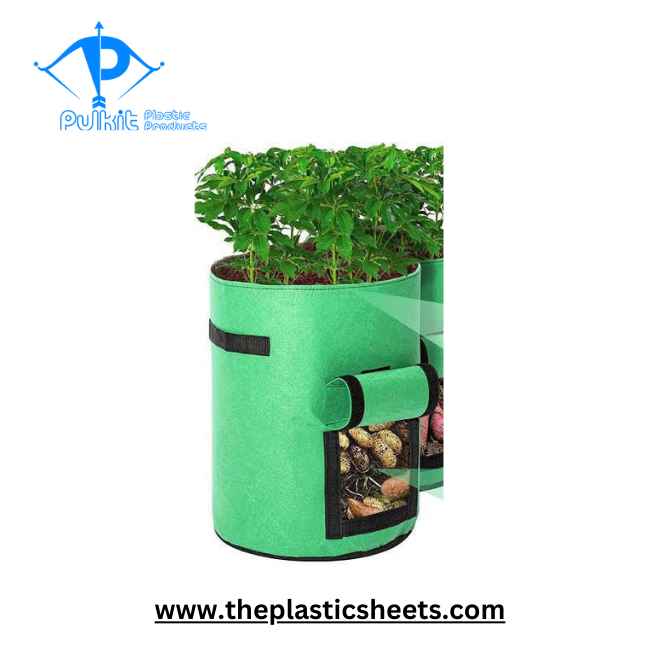
Gardening is a passion and a source of pride for many. Whether you’re a seasoned gardener or just starting out, the tools and materials you use can have a significant impact on the success of your plants. One such tool that has gained popularity in recent years is the plant growing bag. These bags offer an innovative, space-efficient solution for growing a variety of plants, making them an excellent choice for gardeners of all levels. In this guide, we will explore the benefits of plant growing bags, the different types available, and how they can help you grow healthy, thriving plants.
What Are Plant Growing Bags?
A plant growing bag, also known as a fabric pot or grow bag, is a flexible container used to grow plants. These bags are typically made from breathable fabric, which allows air to flow into the roots of the plants, promoting Pulkit Plastic Products healthy root growth and preventing issues such as root rot. They come in various sizes and shapes, making them suitable for growing everything from small herbs to large vegetables or flowers.
Unlike traditional plastic pots, plant growing bags are designed to be lightweight and easy to handle, making them an excellent choice for both small and large gardening spaces. Additionally, they can be used both indoors and outdoors, offering a versatile solution for plant cultivation in diverse environments.
Key Benefits of Using Plant Growing Bags
-
Improved Root Health One of the most significant advantages of using plant growing bags is the promotion of healthy root development. The breathable fabric encourages air pruning, where the roots stop growing when they reach the edges of the bag and are exposed to air. This prevents roots from becoming root-bound, a condition that occurs when Plant growing bag in confined spaces, causing them to become tangled and stunted. Healthy, air-pruned roots result in stronger, more vigorous plants.
-
Better Drainage Proper drainage is essential for plant health, as it prevents water from accumulating at the bottom of the container, which can lead to root rot. Plant growing bags have excellent drainage properties due to the porous nature of the fabric. Water can flow freely through the material, ensuring that excess moisture is removed, while still providing enough hydration for the plant’s roots. This helps create an optimal growing environment for plants, particularly in regions with heavy rainfall or high humidity.
-
Space Efficiency Plant growing bags are an excellent option for gardeners who have limited space. Whether you’re growing plants in a small apartment, balcony, or urban garden, these bags can be arranged in a way that maximizes space. They can be placed on shelves, hung, or arranged on the ground, depending on your available space. Because of their flexibility, plant growing bags are also ideal for vertical gardening, allowing you to grow more plants in a smaller area.
-
Lightweight and Portable Traditional garden containers can be heavy and cumbersome, especially when filled with soil. Plant growing bags, on the other hand, are lightweight and portable, making it easy to move them around as needed. Whether you need to shift your plants for better sunlight exposure or to protect them from adverse weather conditions, these bags are easy to handle and relocate. This portability also makes them ideal for container gardening, where plants are frequently moved to optimize growing conditions.
-
Temperature Regulation The breathable fabric of plant growing bags helps regulate the temperature of the soil. In hot weather, the bags allow the soil to breathe and cool down, preventing overheating, which can damage roots. In colder climates, the bags offer some insulation to protect the roots from freezing temperatures. This ability to regulate temperature makes plant growing bags a versatile option for growing plants in both warm and cool climates.
-
Eco-Friendly Many plant growing bags are made from recycled, eco-friendly materials, making them a sustainable choice for gardeners who are conscious about their environmental impact. Unlike plastic containers, which take years to break down and contribute to landfill waste, fabric bags are often reusable and can be recycled at the end of their life cycle. By choosing plant growing bags, you’re not only helping your plants grow but also reducing your carbon footprint.
Types of Plant Growing Bags
There are several different types of plant growing bags available, each with its own unique features and benefits. Here are some of the most common options:
-
Fabric Grow Bags Fabric grow bags are the most popular type of plant growing bag. They are made from breathable fabric, usually a non-woven material, which promotes good drainage and air circulation. Fabric bags come in various sizes, from small bags for herbs and flowers to large ones for trees and shrubs. They are ideal for both indoor and outdoor use and can be placed on patios, balconies, or in garden beds.
-
Smart Grow Bags Smart Grow bags online are designed with built-in irrigation systems. These bags are equipped with a water reservoir and a wick that draws water from the reservoir into the soil. This self-watering feature ensures that your plants receive consistent moisture levels, reducing the need for frequent watering. Smart grow bags are particularly useful for people who may not have the time or energy to water their plants regularly.
-
Root Pouch Bags Root pouch bags are another type of plant growing bag made from fabric material. What sets them apart is that they are often made from recycled plastic bottles, making them an eco-friendly option. These bags are durable, flexible, and provide excellent root development for plants. Root pouch bags come in a variety of sizes, and their breathable fabric promotes healthy root growth and prevents root rot.
-
Hanging Plant Bags Hanging plant bags are designed for vertical gardening. These bags can be hung on fences, walls, or garden structures, making them a great option for those who have limited ground space. Hanging plant bags allow you to grow a variety of plants in a compact and visually appealing way. They are ideal for growing flowers, herbs, and even small vegetables like lettuce or strawberries.
How to Use Plant Growing Bags
Using plant growing bags is straightforward, but there are a few key steps to ensure the best results:
-
Choose the Right Size Select a plant growing bag that is appropriate for the type of plant you are growing. Larger plants, such as tomatoes or peppers, will need larger bags, while smaller plants, like herbs or flowers, can be grown in smaller bags. Make sure the bag provides enough space for the roots to spread and grow.
-
Prepare the Soil Fill the plant growing bag with a high-quality potting mix. Avoid using regular garden soil, as it may not drain well and could cause root rot. You can mix your own potting soil or purchase pre-made mixes designed for container gardening.
-
Water Properly Although plant growing bags have excellent drainage, they still need to be watered regularly. Be sure to water your plants thoroughly, allowing the water to soak through the fabric and reach the roots. During hot weather, you may need to water more frequently to prevent the soil from drying out.
-
Position the Bags Place the plant growing bags in an area where they will receive adequate sunlight. Most plants require at least 6-8 hours of direct sunlight per day to grow well. Make sure the bags are in a spot that allows for easy access to water and regular maintenance.
Conclusion
Plant growing bags are an invaluable tool for gardeners who want to maximize their growing space and enhance their plants’ health. Whether you’re looking to grow vegetables, flowers, or herbs, these bags provide a flexible, cost-effective, and eco-friendly solution. The benefits of using plant growing bags—such as improved root health, better drainage, and portability—make them an excellent choice for gardeners of all levels. By understanding the different types of plant Grow bag online and how to use them properly, you can ensure that your plants have the best possible growing environment for optimal growth and success.
Frequently Asked Questions (F&Q)
1. How long do plant growing bags last?
The lifespan of a plant growing bag depends on the material used and the conditions in which it is used. Generally, high-quality fabric bags can last several seasons if properly cared for. Avoid leaving them out in extreme weather conditions or using them for extremely heavy plants, as this can shorten their lifespan.
2. Can I use plant growing bags for all types of plants?
Yes, plant growing bags can be used for a wide variety of plants, including vegetables, flowers, herbs, and shrubs. However, it is essential to choose the right size bag for the type of plant you are growing. Larger plants, like tomatoes or cucumbers, will need bigger bags, while smaller plants, like herbs, can thrive in smaller bags.
3. Do plant growing bags need special care?
While plant growing bags do not require much maintenance, they should be cleaned periodically to prevent soil build-up and pest infestation. If your bags are made of fabric, they can typically be washed with mild detergent and water. Additionally, check the bags for any damage or wear and replace them when necessary.
4. Can I reuse plant growing bags year after year?
Yes, plant growing bags can be reused for multiple growing seasons. After each season, empty the bags, clean them thoroughly, and store them in a dry place. If the bags show signs of wear or tear, it may be time to replace them to ensure healthy plant growth.
