

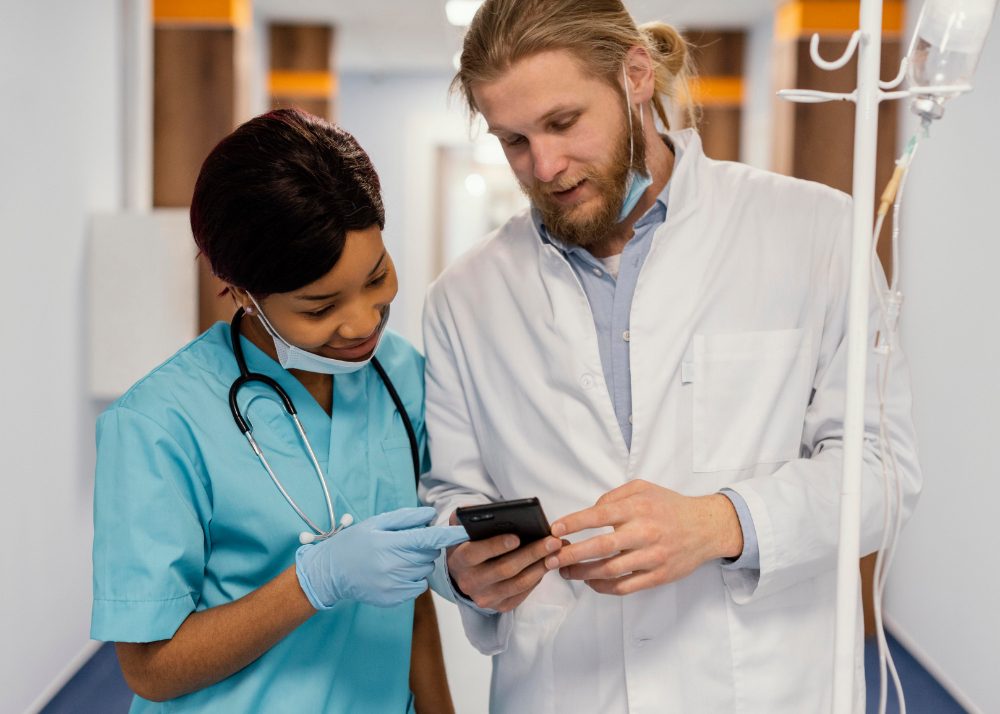
In the fast-paced world of today, technology is significantly influencing the rapid evolution of healthcare. Predictive analytics, which is making its way into mobile apps used by physicians, patients, and carers alike, is one of the most intriguing developments in healthcare technology. So, what is predictive analytics and how is it being used in mobile apps to improve healthcare? Predictive analytics plays a significant part in healthcare mobile apps, and this article will examine how it helps patients and healthcare practitioners alike.
Introduction to Predictive Analytics in Healthcare
In a world where healthcare issues are only getting worse, predictive analytics is becoming a revolutionary tool. It can assist medical practitioners in making better judgements more quickly, whether it be in forecasting disease outbreaks or the needs of specific patients. Predictive analytics, when included into healthcare mobile apps, can provide data-driven insights in real time, thereby increasing the efficacy and efficiency of healthcare services.
What is Predictive Analytics?
Predictive analytics forecasts future events using statistical algorithms, machine learning methods, and historical data. Simply said, it is similar to possessing a crystal ball that forecasts potential outcomes based on facts rather than hunches. Predictive analytics could be used, for instance, in the healthcare industry to anticipate a patient’s risk of developing a specific ailment, allowing for proactive measures.
The Growing Role of Mobile Apps in Healthcare
Mobile apps are now indispensable tools in the healthcare industry and are no longer only for social networking or gaming. Mobile apps are increasingly assisting people in managing their health, from scheduling appointments and taking medication to tracking physical activity. These apps reach a new level when predictive analytics is incorporated into them, providing individualised insights that have the potential to significantly enhance patient outcomes and healthcare delivery.
How Predictive Analytics Works in Healthcare Mobile Apps
Healthcare apps that use predictive analytics depend on the continuous flow of data, including test results, wearable technology, and patient information. The program can forecast trends, identify hazards, and even suggest actions by evaluating this data. For example, the app may warn the patient to take precautions or even instantly alert the doctor if the patient’s heart rate data indicates that a cardiac episode may occur.
Key Benefits of Predictive Analytics in Healthcare Apps
Improved Diagnosis and Early Detection
Predictive analytics has several advantages, one of which is its capacity to identify patterns that might not be immediately apparent to the naked eye. As a result, diseases like diabetes, heart disease, or cancer may be discovered early on, sometimes even before symptoms show up. Early detection is essential because it improves patient outcomes and enhances the likelihood of successful therapy.
Better Resource Allocation
To estimate patient admission rates, bed occupancy, and staffing needs, hospitals and clinics can employ predictive analytics. This results in improved resource management, guaranteeing the availability of the appropriate medical personnel and equipment when needed.
Improving Patient Outcomes with Early Detection
Imagine being able to identify an early warning sign in your data and use that information to stop a severe asthma attack. That is how predictive analytics works. Healthcare professionals might potentially save lives and lower healthcare costs by acting before the situation worsens by spotting high-risk individuals or warning indicators early. Personalised therapies and early detection contribute to better patient outcomes.
Personalizing Healthcare with Predictive Data
Healthcare is becoming more individualised than ever before thanks to predictive analytics. Healthcare professionals can customise care plans and therapies for each patient instead of using a one-size-fits-all strategy thanks to data-driven insights. For example, an app may use a patient’s individual genetic composition or lifestyle choices to determine which drugs will work best for them.
Predictive Analytics for Hospital Management and Operations
It is more than just patients. Additionally, hospital management can benefit from predictive analytics. Hospitals can ensure adequate staffing levels and minimise wait times by anticipating busy periods and making appropriate plans based on historical data on patient inflows. Developing a more effective healthcare system that satisfies patient demands without overtaxing medical staff is the main goal.Its.
Predictive Analytics and Chronic Disease Management
It takes ongoing observation to manage long-term illnesses like diabetes or hypertension. By examining patterns in patients’ vital signs over time, predictive analytics facilitates the monitoring of these illnesses. Patients can stay on course and prevent complications by using healthcare mobile apps that can offer real-time warnings, such as medication reminders or blood pressure changes.
Predicting Patient Admission Rates and Hospital Stays
Managing workforce, resources, and patient inflows is a continuous task for hospital administrators. Hospitals are able to forecast the number of patients who will require admission as well as the length of their stay by employing predictive analytics. This improves patient satisfaction and hospital operations by lowering overcrowding.
The Role of App Developers in San Francisco
When you think of cutting-edge healthcare apps, many innovative companies in cities like San Francisco come to mind. San Francisco is home to many talented app developers in San Francisco who are at the forefront of integrating predictive analytics into healthcare apps. These developers are not just building apps—they’re designing solutions that could revolutionize healthcare delivery and patient care on a global scale. Many of these developers belong to top mobile app development companies in the USA, known for their expertise and cutting-edge technology solutions.
The Future of Predictive Analytics in Healthcare Apps
The importance of predictive analytics in healthcare apps will only grow as technology advances. There is a lot of promise for the future, from more sophisticated machine learning algorithms to better wearables. We may anticipate increasingly more precise forecasts and more user-friendly, intuitive applications that will contribute to better healthcare for all.
Challenges and Limitations of Predictive Analytics
Predictive analytics is not without its difficulties, despite its enormous potential. Prediction accuracy, for example, depends on the quality of the data. Predictions that are not correct due to inadequate or poor-quality data could have major repercussions in the medical field. Furthermore, it might be difficult and costly to integrate predictive analytics into current healthcare systems.
Ethical Considerations in Healthcare Predictive Analytics
Predictive analytics presents significant ethical issues in the healthcare industry, as it does with any potent technology. Careful consideration must be given to issues including data privacy, algorithmic bias, and technology accessibility. The success of predictive technologies will depend on how transparent, equitable, and responsible they are employed.
Conclusion: The Promise of Predictive Analytics in Healthcare
In conclusion, the role of predictive analytics in healthcare mobile apps is vast and growing. By harnessing the power of data, these apps are improving patient outcomes, reducing costs, and enabling more personalized care. As technology advances and app developers in San Francisco continue to innovate, we can expect even more exciting developments that will shape the future of healthcare for the better.
FAQs
1. What are the key benefits of predictive analytics in healthcare?
Personalised treatment, better patient outcomes, early disease identification, and hospital resource optimisation are all made possible by predictive analytics.
2. How does predictive analytics work in healthcare apps?
In order to find trends and forecast future health events, predictive analytics in healthcare apps examines patient data and provides information that can help avoid difficulties.
3. How can predictive analytics help manage chronic diseases?
Patients with long-term illnesses like diabetes can better manage their health with predictive analytics’ real-time notifications and vital sign monitoring.
4. What challenges exist in using predictive analytics in healthcare?
Problems with data quality, high implementation costs, and moral dilemmas like algorithmic bias and privacy are obstacles.
5. Why is San Francisco a hub for healthcare app developers?
San Francisco is home to a large number of creative app developers who are at the forefront of incorporating technologies such as predictive analytics into healthcare applications. Many of these developers are employed by leading US mobile app development firms, which helps advance healthcare technology.
