

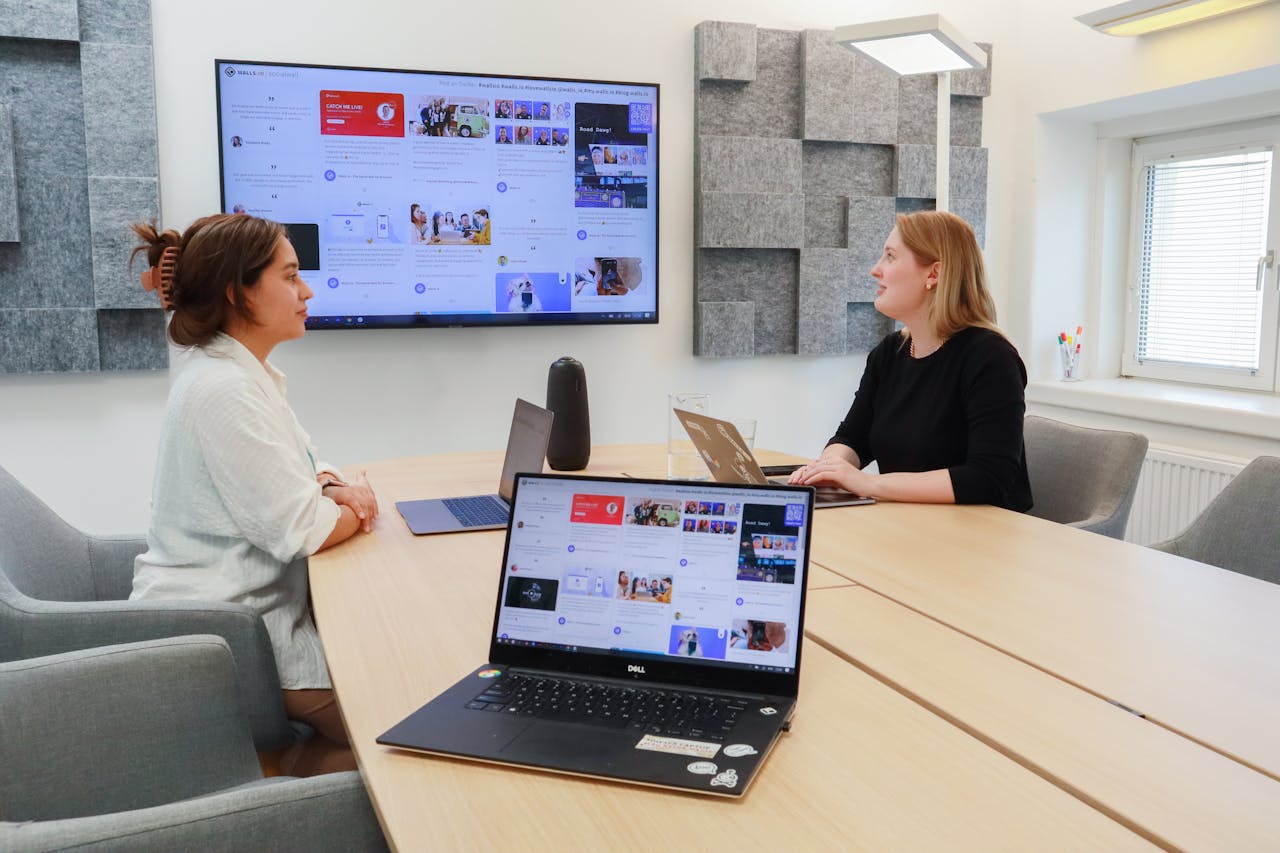
Interactive touch screens are becoming an indispensable tool in modern offices and schools. They offer practical solutions for collaboration, teaching, and presentations. This guide explores their core benefits, practical applications, and how they integrate with technology like business AV solutions and lecture capture software.
What Are Interactive Touch Screens?
Interactive touch screens are advanced display devices that combine touch functionality with high-definition visuals. These screens allow users to interact directly with content using their fingers or styluses, making them an ideal choice for group settings like classrooms and meeting rooms.
Key features include:
- Multi-touch support for seamless collaboration.
- Crystal-clear visuals for detailed presentations.
- Integration with external devices and software.
Benefits of Interactive Touch Screens for Schools
Interactive touch screens are reshaping how lessons are taught. They offer several advantages over traditional teaching methods.
- Engaging Lessons:
Teachers can create dynamic and interactive lessons, keeping students engaged. - Enhanced Collaboration:
Students can work together on projects directly on the screen. - Easy Integration with Tools:
These screens support lecture capture software, allowing educators to record and share lessons easily. - Accessibility Features:
Touch screens cater to diverse learning needs with options like adjustable text size and audio tools.
How Offices Benefit from Interactive Touch Screens
Offices increasingly rely on technology to boost productivity, and interactive touch screens play a significant role.
- Improved Meetings:
Presentations are more dynamic when combined with business AV solutions, allowing teams to interact with data in real-time. - Streamlined Collaboration:
- Team members can annotate documents directly on the screen.
- Remote workers can participate seamlessly via connected software.
- Training and Onboarding:
Interactive screens help simplify employee training by offering hands-on demonstrations and interactive modules.
Applications of Interactive Touch Screens
Interactive touch screens can be customised for various purposes, making them a versatile addition to offices and schools.
- Classroom Tools:
Teachers can use touch screens to display diagrams, play educational videos, and conduct quizzes. - Boardroom Presentations:
Business meetings benefit from the clarity and interactivity provided by these screens. - Portable Recording Studio Integration:
Interactive touch screens pair seamlessly with portable recording studio setups, enabling schools to produce professional-quality educational videos.
Features to Consider When Choosing an Interactive Touch Screen
Choosing the right interactive touch screen depends on several factors. Here’s what offices and schools should look for:
- Screen Size:
- Large screens are ideal for classrooms or conference rooms.
- Smaller screens suit compact spaces like individual desks.
- Touch Technology:
- Resistive and capacitive touch options are common.
- Multi-touch capability enhances usability for groups.
- Software Compatibility:
- Ensure compatibility with business AV solutions and lecture capture software.
- Durability:
- Opt for screens with robust build quality to withstand frequent use.
Interactive Touch Screens vs Traditional Whiteboards
Interactive touch screens offer distinct advantages over whiteboards:
|
Feature |
Interactive Touch Screens |
Traditional Whiteboards |
|
Multi-user capability |
Yes |
No |
|
Remote access support |
Yes |
No |
|
Integration with software |
Yes |
Limited |
Interactive touch screens eliminate the need for additional tools like markers or erasers, offering a cleaner and more efficient solution.
How to Integrate Interactive Touch Screens Effectively
To maximise the potential of interactive touch screens:
- Train Staff and Teachers:
Familiarise users with the features and software to boost adoption rates. - Pair with Complementary Tools:
Combine screens with business AV solutions and lecture capture software for seamless functionality. - Regular Maintenance:
Keep the screens clean and update software regularly to ensure optimal performance.
Common Challenges and Solutions
While interactive touch screens offer significant benefits, they can present challenges. Here are common issues and their solutions:
- High Initial Cost:
- Solution: Focus on the long-term savings achieved through enhanced efficiency.
- Technical Issues:
- Solution: Partner with providers that offer reliable customer support and warranties.
- User Resistance:
- Solution: Provide clear training sessions to make the transition easier.
FAQs About Interactive Touch Screens
- Can interactive touch screens replace projectors in schools?
Yes, they offer better visuals and additional functionality compared to traditional projectors. - Are interactive touch screens portable?
Some models are portable, but larger screens are typically stationary. - How do touch screens integrate with portable recording studios?
They connect seamlessly via software, enabling live recording and editing on the screen itself.
Final Thoughts
Interactive touch screens are transforming how businesses and schools operate. With features that support collaboration, learning, and productivity, they provide a versatile solution for modern challenges. Whether it’s integrating with business AV solutions or enhancing lessons with lecture capture software, these screens are paving the way for efficiency.
For those exploring interactive touch screens, Next Tech offers expert advice and tailored solutions to meet your needs.
