

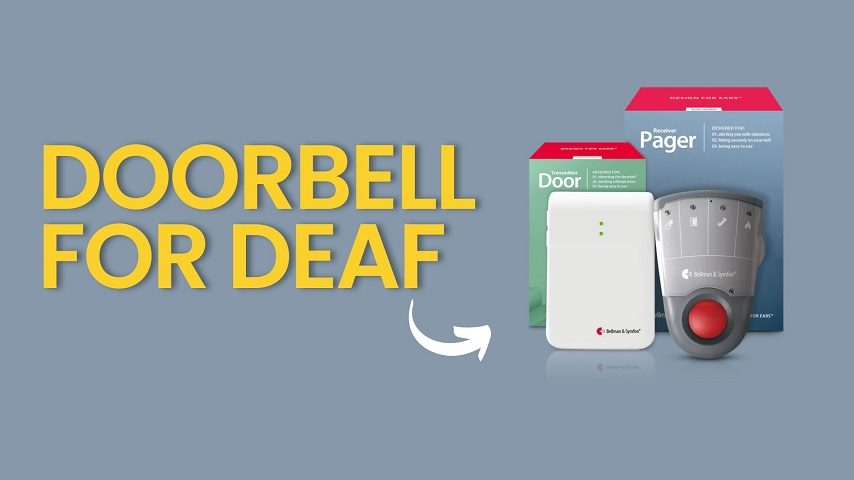
Top Doorbell Solutions for Hard of Hearing Individuals
Home security and connectivity are essential, but traditional doorbells often fail to accommodate individuals who are deaf or hard of hearing. Thankfully, technology has advanced, offering doorbells for hard of hearing individuals that feature innovative solutions like visual alerts, vibrations, and smartphone notifications.
In this article, we’ll explore the best doorbell options for people with hearing impairments, their benefits, and how to choose the ideal one for your needs.
Why Choose a Specialized Doorbell for Hard of Hearing?
Standard doorbells rely on audible chimes to notify homeowners of visitors. For individuals who are deaf or hard of hearing, this system is ineffective and potentially unsafe. A doorbell for hard of hearing people ensures that everyone, regardless of their hearing ability, can stay informed and secure.
Key Features of Doorbells for Hard of Hearing:
- Visual Alerts: Flashing LED lights signal when someone rings the doorbell.
- Vibrations: Devices can vibrate or connect to wearable alert systems.
- Wireless Connectivity: Many models sync with smartphones or smart home systems for real-time notifications.
Types of Doorbells for Hard of Hearing
-
Visual Doorbells:
Visual doorbells use bright LED lights or strobes to notify homeowners of a visitor. These are ideal for common living areas and can be installed in multiple rooms.
Top Benefits:
- Easy to notice, even from a distance.
- Energy-efficient LED technology.
- Customizable light patterns or colors.
-
Vibrating Doorbells:
These doorbells pair with wearable devices, such as wristbands or pagers, that vibrate when the doorbell is pressed. They’re a discreet option, especially for nighttime use.
Top Benefits:
- Portable and convenient.
- Ideal for bedrooms or quiet environments.
- Can be connected to other home alert systems.
Top Features to Look for in a Doorbell for Hard of Hearing
- Customizable Alerts:
The ability to adjust light intensity, vibration strength, and sound volume ensures the doorbell meets individual preferences. - Wireless and Easy Installation:
Opt for wireless models that are easy to install and relocate as needed. - Smartphone Integration:
Choose a doorbell that syncs with your smartphone for added convenience, allowing you to monitor and answer from anywhere. - Durability and Weather Resistance:
Ensure the doorbell is designed for outdoor use, with features like waterproofing and UV resistance. - Battery Life or Power Options:
Look for doorbells with long battery life or plug-in options for continuous operation.
How to Choose the Right Doorbell for Your Needs
When selecting a doorbell for hard of hearing, consider the following factors:
- Lifestyle Needs:
- Do you need visual alerts for daytime use or vibrating alerts for nighttime?
- Are you looking for a mobile-friendly option?
- Home Setup:
- For large homes, ensure the doorbell has a strong wireless range.
- Consider models that support multiple receivers for different rooms.
- Budget:
- Basic visual doorbells are affordable, while smart models may be more expensive but offer advanced features.
- Compatibility:
- If you have other smart devices, ensure the doorbell integrates seamlessly with your system.
Benefits of Doorbells for Hard of Hearing
Investing in a specialized doorbell offers numerous advantages:
- Improved Safety:
Stay aware of visitors or deliveries, even if you’re in a different part of the house. - Enhanced Independence:
Feel more in control of your environment without relying on others to alert you. - Greater Accessibility:
These doorbells are inclusive, ensuring everyone in the household can respond to visitors. - Added Security:
Smart doorbells with cameras allow you to monitor your doorstep and interact with visitors remotely.
Maintenance Tips for Doorbells
To ensure your doorbell functions optimally, follow these tips:
- Regular Cleaning:
Wipe the doorbell button and receiver with a dry cloth to remove dirt and dust. - Battery Checks:
Replace or recharge batteries as needed to maintain consistent performance. - Update Software:
For smart doorbells, keep the app and firmware updated for the latest features and security patches. - Test Alerts:
Periodically test the doorbell to ensure the alerts (visual, vibration, or sound) are working correctly.
How Doorbells for Hard of Hearing Transform Lives
A doorbell for the hard of hearing does more than alert you to visitors—it provides peace of mind and enhances your connection to the outside world. These devices empower individuals with hearing impairments by ensuring they never miss an important visitor, delivery, or emergency.
By integrating these doorbells with other hearing-impaired smart products, such as vibrating alarm clocks and amplified alert systems, you can create a fully accessible and safe home environment.
Final Thoughts
Technology has made tremendous strides in improving accessibility for individuals who are hard of hearing. Whether you prefer the simplicity of visual doorbells for the advanced features of smart models, there’s a solution tailored to your needs.
Investing in the right doorbell for the hard of hearing ensures you stay connected, secure, and independent in your home. Explore the options available and embrace a more accessible lifestyle today.
