

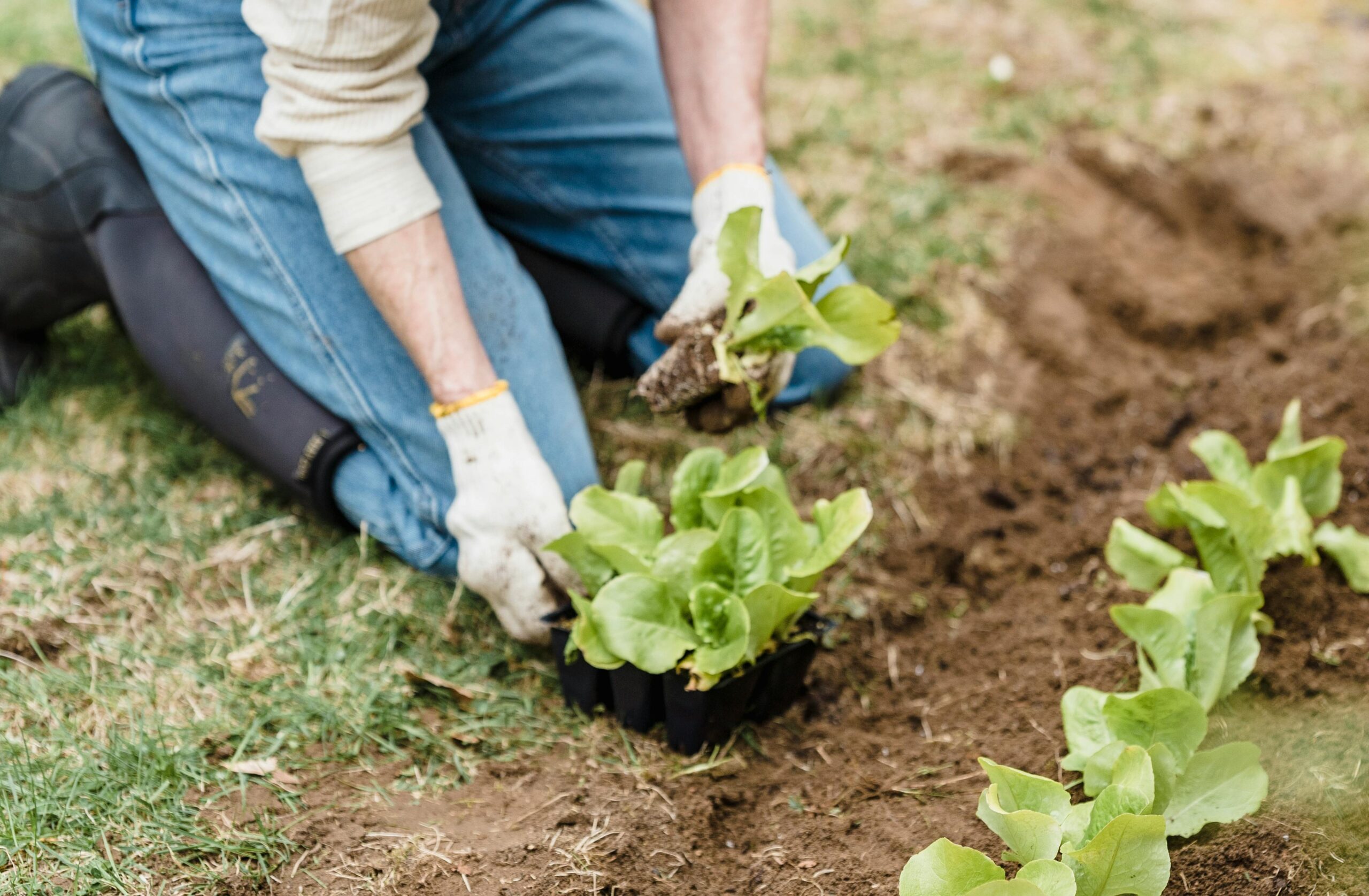
Sustainable farming is becoming increasingly vital as agricultural demands rise due to a growing global population. By adopting practices that boost productivity while preserving the environment, farmers can achieve higher yields without depleting resources. This shift ensures the agricultural community’s long-term health of soil and crops and economic sustainability. In this blog, we’ll explore the strategies that empower farmers to enhance their yields through sustainable methods, including the role of Thiamethoxam 30% FS, mainly the product Thiolt 30 – Thiamethoxam 30% FS, and how it contributes to plant health and pest control.
The Importance of Sustainable Farming
Sustainable farming is not merely a trend but a necessity. Traditional agricultural methods often lead to soil degradation, water depletion, and increased pest resistance. Sustainable methods aim to create harmony between farming and the environment, ensuring long-term viability for future generations.
- According to a recent study, sustainable practices can increase crop productivity by 30-40% compared to conventional methods.
- Soil health preservation is key to sustainable farming, and practices like crop rotation and organic composting contribute significantly to yield improvement.
Precision Agriculture: Optimizing Resource Usage
Precision agriculture leverages technology to monitor and optimize crop production processes. From soil sensors to drones analyzing crop health, precision farming minimizes waste and maximizes efficiency.
For example, GPS-guided equipment reduces the need for excessive fertilizer and water by ensuring these resources are applied precisely where needed. This technique conserves essential resources and leads to healthier crops, ultimately boosting yields.
Integrating Biological Pest Control with Chemical Solutions
Pest management remains critical to achieving high yields. Integrating biological pest control techniques with chemical solutions such as Thiamethoxam 30 FS ensures balanced, effective pest management. Thiolt 30—Thiamethoxam 30% FS, in particular, is a potent insecticide that offers targeted protection against a range of pests while minimizing harm to beneficial insects.
Thiamethoxam 30 FS works by:
- Protecting seeds and roots during the early growth stages.
- Reducing the need for frequent pesticide applications, leading to lower overall chemical use.
Combining natural pest predators and organic solutions with controlled use of Thiamethoxam 30% FS ensures effective, sustainable pest management strategies that boost crop health and yield.
Enhancing Soil Health for Optimal Yields
Healthy soil forms the backbone of sustainable agriculture. Practices like cover cropping, reduced tillage, and organic composting nourish the soil and maintain its fertility. Thiamethoxam 30 FS uses can complement these efforts by protecting young plants, allowing them to thrive in well-maintained soil conditions.
Crop Rotation and Diversity
One key strategy is crop rotation, where different crops are grown on the same plot in sequential seasons. This practice breaks pest and disease cycles, reduces the need for chemical inputs, and improves soil health. When combined with treatments such as Thiamethoxam 30 FS, crop rotation maximizes yield potential by creating a more resilient and balanced ecosystem.
Water Management and Irrigation Techniques
Sustainable water management is crucial for maximizing yields. Drip irrigation, rainwater harvesting, and proper scheduling minimize water usage and maximize its effectiveness. By conserving water, farmers reduce costs and preserve local water supplies.
“Water is life’s matter and matrix, mother and medium. There is no life without water.” – Albert Szent-Györgyi.
Integrating technologies such as soil moisture sensors and automated irrigation systems ensures that crops receive precisely the water they need when they need it, optimizing both growth and yield.
Utilizing Organic Fertilizers and Composting
Organic farming principles focus on reducing chemical reliance and enhancing natural fertility through organic fertilizers and compost. This shift promotes long-term productivity and minimizes environmental impact.
Organic compost adds essential nutrients to the soil, improving its structure and fertility. Combined with Thiamethoxam 30 FS uses, this practice enables a balanced approach, enhancing crop resistance against pests while nurturing robust plant growth.
Reducing Synthetic Inputs and Enhancing Biodiversity
Reducing synthetic inputs while encouraging biodiversity is essential for sustainable farming. Encouraging beneficial insects, maintaining hedgerows, and planting wildflowers contribute to an ecosystem that naturally controls pests. This minimizes the reliance on synthetic pesticides and increases yield stability over time.
Integrating Technology into Sustainable Farming
Technology-driven solutions, such as AI-driven analytics, remote sensing, and farm management software, streamline decision-making and resource allocation. This integration allows for real-time monitoring, accurate yield predictions, and efficient resource distribution, enhancing overall productivity.
Key Benefits of Technology in Sustainable Farming:
- Data-Driven Decision Making: Real-time data helps analyze soil, weather, and crop health for more informed choices.
- Automation and Efficiency: Robotics and automation simplify labor-intensive tasks, allowing farmers to focus on strategic improvements.
Farmers can ensure efficient pest control by using products such as Thiamethoxam 30 FS and incorporating organic techniques without compromising the soil’s health or productivity.
Sustainable Livestock Management
Sustainable agriculture isn’t limited to crops. Livestock management is also essential for achieving higher yields while reducing environmental impact. Practices such as rotational grazing, manure management, and feeding organic feed reduce resource waste, improve soil health, and offer ethical treatment to livestock.
Future Prospects in Sustainable Agriculture
Sustainable farming practices are evolving, with emerging technologies and innovative solutions reshaping the industry. Farmers have greater access to education, training, and resources to implement sustainable methods successfully.
Partnerships and Collaborations
Partnerships between farmers, researchers, and governments are vital in advancing sustainable agriculture. Collaborative efforts are needed to develop, test, and deploy technologies that enhance yields and minimize environmental impact.
A Vision for Sustainable Farming
The journey to achieving higher yields through sustainable farming involves innovation, community support, and a commitment to preserving the planet. By adopting integrated pest management, reducing chemical inputs, nurturing soil health, and employing modern technologies, farmers are paving the way for an agricultural revolution.
