

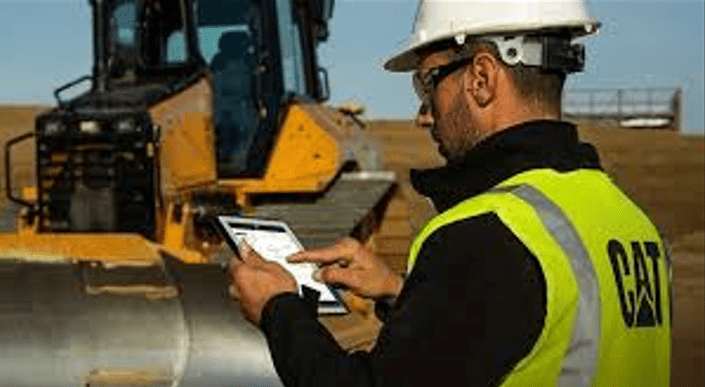
Construction projects depend on more than just heavy machinery. Tools, vehicles, attachments, generators, safety equipment, and temporary site resources all contribute to keeping work on schedule. As construction businesses expand and manage multiple jobsites simultaneously, keeping track of these valuable assets becomes increasingly difficult. Without a structured system, assets can be misplaced, underutilized, or left idle, leading to higher costs and unnecessary delays.
Construction asset tracking software helps contractors gain complete visibility into their equipment and resources. By centralizing asset information and providing real-time updates, companies can improve operational efficiency, reduce losses, and make better decisions about asset allocation. Whether managing a small fleet or hundreds of assets across multiple locations, having a reliable tracking system has become an essential part of successful construction management.
Understanding Construction Asset Management
Construction asset management involves monitoring, organizing, maintaining, and optimizing every physical asset used throughout a project’s lifecycle. Unlike equipment management, which primarily focuses on heavy machinery, asset management includes a broader range of resources that support daily operations.
Construction assets typically include:
- Heavy equipment
- Power tools
- Hand tools
- Vehicles
- Trailers
- Generators
- Attachments
- Temporary fencing
- Safety equipment
- Survey instruments
- Storage containers
Managing these assets efficiently ensures they are available when needed, properly maintained, and fully utilized across different projects.
Common Challenges in Asset Management
As the number of jobsites grows, tracking assets manually becomes increasingly difficult. Many companies still rely on spreadsheets, paper logs, or verbal communication, which often leads to inaccurate information and wasted time.
Some of the most common challenges include:
- Lost or misplaced assets
- Equipment sitting idle for extended periods
- Duplicate purchases due to poor visibility
- Difficulty locating tools between jobsites
- Unauthorized asset usage
- Inaccurate inventory records
- Delays caused by unavailable equipment
These issues increase operational costs and reduce overall productivity.
Why Digital Asset Tracking Matters
Digital asset tracking provides real-time visibility into every asset, allowing construction companies to monitor location, availability, condition, and usage from one centralized platform.
Instead of spending valuable time searching for equipment, project teams can quickly identify where assets are located and assign them to projects more efficiently.
A digital approach also reduces paperwork while improving accuracy and accountability throughout the organization.
Benefits of Asset Tracking Software
Implementing construction asset tracking software offers significant operational and financial advantages for construction companies of all sizes.
Improve Asset Visibility
Knowing exactly where every asset is located is one of the biggest benefits of a digital tracking system.
Managers can quickly determine:
- Current jobsite location
- Assigned project
- Availability status
- Maintenance status
- Storage location
This visibility eliminates guesswork and helps teams locate assets within minutes rather than hours.
Increase Asset Utilization
Construction companies often invest in new equipment without realizing existing assets are underused.
Asset tracking software provides utilization reports that reveal:
- Frequently used assets
- Underutilized equipment
- Idle resources
- Seasonal usage trends
By understanding utilization patterns, companies can maximize existing investments before purchasing additional equipment.
Reduce Asset Loss and Theft
Construction sites are dynamic environments where equipment frequently moves between locations. Without proper tracking, valuable assets can be misplaced or stolen.
Modern tracking systems help improve security through:
Real-Time Location Monitoring
Managers always know where important assets are located, reducing the time spent searching for equipment.
Asset Movement History
Every transfer between jobsites or storage locations is recorded, creating a complete history of asset movement.
User Accountability
Recording who checked out or returned equipment improves responsibility and reduces unauthorized use.
These features help minimize losses while improving operational control.
Simplify Maintenance Management
Proper maintenance extends the life of construction assets and reduces unexpected failures.
Many asset tracking platforms integrate maintenance management features that allow companies to:
- Schedule preventive maintenance
- Track service history
- Monitor inspection dates
- Record repair costs
- Generate maintenance reminders
Keeping maintenance records in one place ensures assets remain safe and reliable throughout their lifecycle.
Improve Inventory Accuracy
Construction companies often manage thousands of tools and equipment items across multiple projects.
Manual inventory checks can be time-consuming and prone to errors.
Asset tracking software simplifies inventory management by providing:
- Digital asset records
- Barcode or QR code scanning
- RFID integration
- Automated inventory updates
- Real-time inventory reports
Accurate inventory reduces duplicate purchases and ensures resources are available when needed.
Better Resource Allocation
Efficient resource allocation helps construction companies complete projects on time without unnecessary equipment rentals or purchases.
A centralized asset tracking system enables managers to:
- View available assets instantly
- Transfer equipment between projects
- Balance workloads
- Avoid scheduling conflicts
- Reduce idle inventory
This leads to more efficient project planning and improved equipment utilization.
Improve Financial Planning
Every construction asset represents a business investment. Understanding how those assets perform helps companies make informed financial decisions.
Construction asset tracking software provides valuable insights into:
- Asset utilization rates
- Maintenance costs
- Replacement schedules
- Asset depreciation
- Lifecycle performance
These reports support better budgeting and long-term investment planning.
Key Features to Look for in Asset Tracking Software
Choosing the right solution requires evaluating features that improve visibility, efficiency, and scalability.
Important capabilities include:
- Centralized asset database
- GPS location tracking
- Barcode and QR code scanning
- RFID compatibility
- Maintenance scheduling
- Inspection management
- Asset utilization reporting
- Mobile access
- Custom reporting dashboards
- Multi-location management
- User permission controls
- Cloud-based data access
Selecting a scalable solution ensures your asset management system can grow alongside your business.
Best Practices for More Efficient Asset Management
Technology is most effective when combined with clear operational processes.
Maintain Accurate Asset Records
Record important details such as serial numbers, purchase dates, warranties, and current locations for every asset.
Conduct Regular Audits
Periodic asset audits help verify inventory accuracy and identify missing or underutilized equipment.
Standardize Asset Check-In and Check-Out
Implement a consistent process for assigning and returning equipment to improve accountability.
Monitor Asset Performance
Review utilization and maintenance reports regularly to identify opportunities for optimization.
Train Employees
Ensure project managers, supervisors, and field workers understand how to use the asset tracking system correctly.
The Future of Construction Asset Management
Construction asset management continues to evolve with advances in technology.
Artificial intelligence, cloud computing, Internet of Things (IoT) sensors, and predictive analytics are enabling companies to monitor asset health, automate maintenance planning, and improve operational efficiency.
As these technologies become more accessible, construction businesses will gain deeper insights into asset performance while reducing manual administrative work.
Companies that embrace digital asset management today will be better prepared to meet the demands of increasingly complex construction projects.
Conclusion
Efficient asset management is essential for improving productivity, reducing costs, and maximizing the value of construction resources. Without a centralized system, companies risk losing valuable equipment, overspending on unnecessary purchases, and experiencing avoidable project delays.
By implementing construction asset tracking software, contractors can gain real-time visibility into every asset, improve maintenance planning, enhance inventory accuracy, and make better business decisions. As construction operations continue to expand, a modern asset tracking solution provides the control and insight needed to keep projects running smoothly and profitably.
