

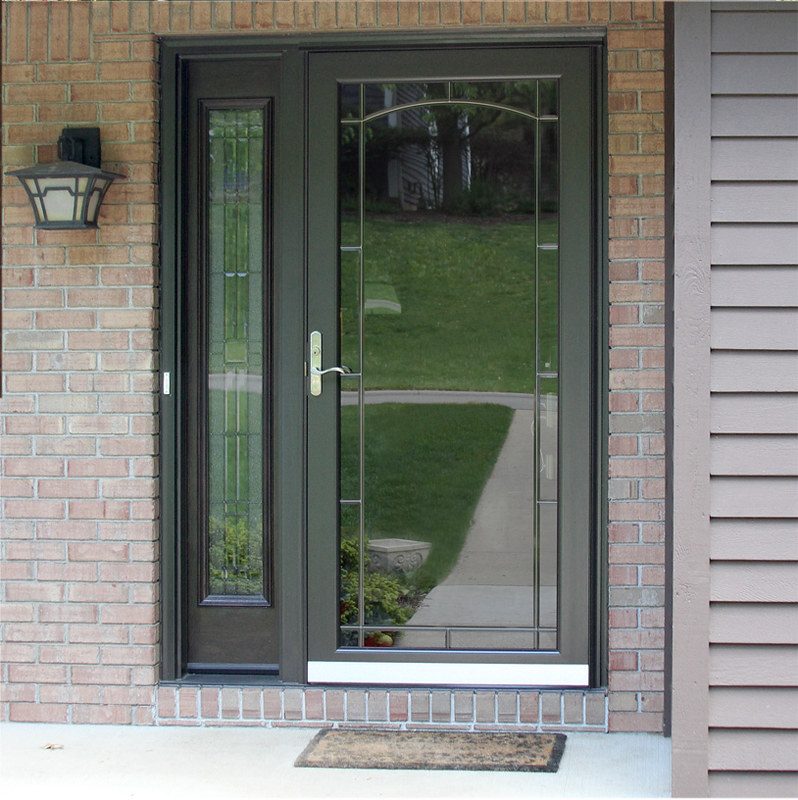
A storm door serves both practical and aesthetic purposes. It protects your primary entry door from harsh weather, improves ventilation, and adds an extra layer of security. Over time, however, even the most durable storm doors can begin to look worn due to sun exposure, rain, temperature fluctuations, and everyday use. Fading paint, scratches, and discoloration can make your home’s entrance appear dated and neglected.
Many homeowners wonder whether replacing the door is necessary or if a fresh coat of paint can restore its appearance. The good news is that most storm doors can be successfully painted, giving them a completely refreshed look without the expense of replacement. With proper preparation, the right materials, and careful application, painting a storm door can dramatically improve your home’s curb appeal and extend the life of the door itself.
Why Paint a Storm Door?
Can you paint a storm door? Yes you can, painting a storm door offers several benefits beyond improving appearance. A fresh finish can help protect the surface from moisture, UV rays, and general wear and tear. For metal storm doors, paint acts as an additional protective barrier that helps prevent corrosion and surface deterioration.
A newly painted storm door can also transform the look of your home’s exterior. Whether you’re updating your color scheme, preparing to sell your property, or simply refreshing a weathered entryway, paint provides an affordable solution that delivers noticeable results.
Many homeowners use this opportunity to coordinate the storm door with their front door, shutters, siding, or trim, creating a more cohesive and attractive exterior design.
Determining Whether Your Storm Door Can Be Painted
Most aluminum and steel storm doors can be painted successfully. The key is identifying the material and selecting products designed specifically for that surface.
Metal storm doors are among the easiest to repaint because they provide a stable, durable surface that accepts paint well when properly prepared. Modern primers and exterior paints are specifically formulated to bond effectively with metal surfaces and withstand outdoor exposure.
Before beginning the project, inspect the door for significant damage such as rust, dents, or structural issues. Minor imperfections can usually be repaired during preparation, but extensive deterioration may indicate that replacement is the better option.
Preparing the Door for a Lasting Finish
Proper preparation is the most important step in achieving a professional-looking paint job. Skipping or rushing preparation often leads to peeling, chipping, or uneven coverage.
Start by thoroughly cleaning the storm door using a mild soap solution and water. Dirt, grease, pollen, and other contaminants can interfere with paint adhesion. Pay close attention to corners, edges, and areas around handles where grime tends to accumulate. Once cleaned, allow the door to dry completely.
After cleaning, lightly sand the surface using fine-grit sandpaper. Sanding creates a slightly textured surface that helps primer and paint adhere more effectively. The goal is not to remove the existing finish entirely but to create enough texture for proper bonding.
Once sanding is complete, wipe away all dust and residue with a clean cloth. Any remaining particles can affect the smoothness of the finished paint surface.
Applying a quality metal primer is the next critical step. Primers designed specifically for aluminum or steel help create a strong foundation for the paint while improving durability and coverage.
Choosing the Right Paint
Selecting the correct paint is essential for long-term performance. Exterior-grade paints designed for metal surfaces provide the best protection against weather exposure and temperature changes.
Many homeowners prefer spray paint because it creates a smooth, factory-like finish with minimal brush marks. Automotive spray paints and high-quality exterior metal paints often work particularly well on storm doors due to their durability and resistance to fading.
Color selection can have a significant impact on your home’s overall appearance. Some homeowners choose to match the front door for a seamless look, while others use the storm door as an opportunity to introduce a contrasting accent color.
Classic colors such as black, white, bronze, and dark gray remain popular because they complement a wide variety of architectural styles. For those seeking a bolder statement, colors such as deep red, navy blue, or forest green can create a welcoming focal point at the entrance.
When selecting a color, consider existing exterior elements including siding, roofing, landscaping, and trim. The goal is to create a balanced and cohesive appearance that enhances the entire home.
How to Paint a Storm Door
Once preparation is complete, painting can begin. If possible, remove the storm door from its hinges and place it on a stable work surface. While painting in place is possible, removing the door often makes it easier to achieve consistent coverage.
Before painting, remove or mask hardware such as handles, locks, and closers. Painter’s tape can also be used to protect glass panels and any areas that should remain unpainted.
Apply paint using several light coats rather than one heavy coat. Thin coats dry more evenly, reduce the risk of drips, and create a smoother final appearance. Allow each coat to dry according to the manufacturer’s recommendations before applying the next.
Patience during this stage is important. Attempting to rush the process by applying thick coats often results in uneven coverage, visible runs, and longer drying times.
Pay special attention to edges, corners, and detailed sections of the frame. These areas can easily be missed during application and may require additional touch-ups.
Protecting Glass and Hardware
Storm doors often contain large glass panels that require careful protection during painting. Painter’s tape combined with masking paper or plastic sheeting provides an effective barrier against overspray and accidental paint marks.
Taking the time to mask glass properly helps create crisp, professional-looking lines around the frame. Similarly, removing hardware whenever possible prevents paint buildup that can interfere with operation.
Once the paint has fully cured, reinstall hardware and remove all protective materials carefully to reveal clean, sharp edges.
Allowing Proper Drying and Curing Time
Many homeowners focus heavily on preparation and painting but overlook the importance of curing. While paint may feel dry within hours, complete curing often takes several days.
During this period, the paint continues to harden and develop its full durability. Avoid heavy use, cleaning, or exposing the surface to unnecessary wear until the curing process is complete.
Weather conditions can affect drying and curing times. Moderate temperatures and low humidity generally produce the best results. Extreme heat, cold, or moisture may slow the process and affect the final finish.
Common Painting Mistakes to Avoid
Several common mistakes can compromise an otherwise successful project. Painting over dirt or grease is one of the most frequent causes of peeling and poor adhesion. Thorough cleaning should never be skipped.
Another mistake is neglecting primer. While it may seem like an unnecessary extra step, primer plays a critical role in helping paint bond to metal surfaces and improving overall durability.
Applying thick coats of paint is another common issue. Multiple thin coats consistently produce a smoother, more professional finish than a single heavy application.
Finally, attempting to paint in unsuitable weather conditions can lead to uneven drying, poor adhesion, and reduced longevity.
Maintaining Your Newly Painted Storm Door
Once the project is complete, routine maintenance can help preserve the finish for years. Periodic cleaning with mild soap and water removes dirt and environmental contaminants that may dull the appearance over time.
Inspect the door occasionally for scratches, chips, or signs of wear. Addressing minor imperfections promptly prevents moisture from reaching the underlying surface and helps maintain the integrity of the paint.
In high-exposure areas, applying a protective clear topcoat every few years may provide additional protection against UV rays and weather-related wear.
Is Painting Worth It?
For many homeowners, painting a storm door offers an excellent balance of affordability and visual impact. A fresh coat of paint can dramatically improve the appearance of an entryway, extend the life of the door, and enhance overall curb appeal without the expense of a full replacement.
When completed with proper preparation, quality materials, and attention to detail, a painted storm door can look nearly new while providing years of continued protection and performance. Whether you’re updating your home’s style or simply refreshing a weathered exterior feature, painting a storm door is a practical project that delivers lasting value.
