

Recovery after a major health setback is rarely limited to taking medicines and waiting for the body to heal. After a stroke, surgery, injury, prolonged hospital stay, or neurological condition, many people return home with challenges that affect mobility, speech, confidence, memory, sleep, and independence.
Families often assume that discharge from the hospital means the hardest part is over. In many cases, however, recovery truly begins after discharge. The person may need help rebuilding everyday skills, adjusting emotionally, and following a structured routine over weeks or months.
Understanding this phase can help families make better decisions, reduce stress, and create a more supportive environment for recovery.
Recovery Is Different for Every Person
Two people with the same diagnosis may recover very differently. Age, overall health, severity of the condition, previous level of independence, emotional wellbeing and family support can all influence progress.
One person may regain strength quickly but struggle with confidence or fear of falling. Another may be physically stable but need help with speech, memory, balance or daily activities. Some people become frustrated because progress feels slower than expected, while family members may feel unsure about how much assistance to provide.
Recovery is not always a straight line. There can be good days, difficult days and periods where progress seems slow. A realistic plan focuses on steady improvement rather than expecting immediate results.
The Challenges That Continue After Hospital Discharge
After leaving the hospital, a person may face practical and emotional changes that are not always obvious during medical treatment.
Common challenges can include:
- Difficulty walking, climbing stairs or maintaining balance
- Weakness, fatigue or reduced stamina
- Trouble with dressing, bathing, eating or moving safely at home
- Speech, swallowing or communication difficulties
- Changes in memory, attention or decision-making
- Fear of falling or becoming dependent on others
- Low mood, frustration, irritability or loss of confidence
- Sleep disruption and difficulty returning to a daily routine
These concerns can affect the entire household. Family members may need to manage appointments, medicines, work responsibilities and caregiving at the same time. A structured recovery plan can make this period more manageable.
Why Routine Matters During Recovery
A predictable daily routine can give a recovering person a sense of stability. It may include regular wake-up and sleep times, balanced meals, prescribed exercises, therapy sessions, rest periods and simple activities that build independence.
Small goals are often more useful than large expectations. For example, a person may work toward walking safely to another room, preparing a simple snack, participating in a conversation or completing a short exercise routine. These goals create visible progress and can improve motivation.
It is also important to balance activity with rest. Pushing too hard can lead to exhaustion, while too little activity may reduce confidence and physical conditioning. Healthcare professionals can help families understand what level of activity is appropriate.
Supporting Independence Without Creating Pressure
Families naturally want to protect a loved one after a health setback. Sometimes, however, doing every task for the person can reduce opportunities to rebuild confidence and skills.
A helpful approach is to provide support while encouraging safe participation. For example, instead of completing a task entirely, a family member may set up the items needed and allow the person to do the parts they can manage independently.
Patience is essential. Tasks may take longer than before, and the person may become frustrated. Encouragement should focus on effort and progress rather than comparing the person to how they functioned before the illness or injury.
Emotional Recovery Is Part of Physical Recovery
Health setbacks can change how a person sees themselves. Someone who was independent, active or responsible for family decisions may suddenly need help with basic tasks. This can lead to sadness, anger, embarrassment or withdrawal.
Family members can support emotional recovery by listening without dismissing these feelings. Statements such as “you should be grateful” or “do not think about it” may be well intended but can make a person feel unheard.
Instead, families can acknowledge that recovery is difficult while reminding the person that they are not alone. Meaningful social contact, familiar hobbies, short outings when appropriate and participation in family routines can all help restore a sense of connection.
When Additional Rehabilitation Support May Help
Home-based recovery works well for many people, especially when the person has access to therapy, a safe home environment and consistent family support. In other situations, more structured rehabilitation may be helpful.
Families may consider additional support when a person needs regular physiotherapy, occupational therapy, speech therapy, nursing care, medical supervision or assistance rebuilding daily living skills. It may also be useful when caregivers are overwhelmed or when the home environment is not suitable for safe recovery.
A rehabilitation setting can bring different professionals together to create a coordinated plan. Depending on individual needs, this may include physical rehabilitation, functional training, speech and communication support, nutritional guidance, emotional support and family education.
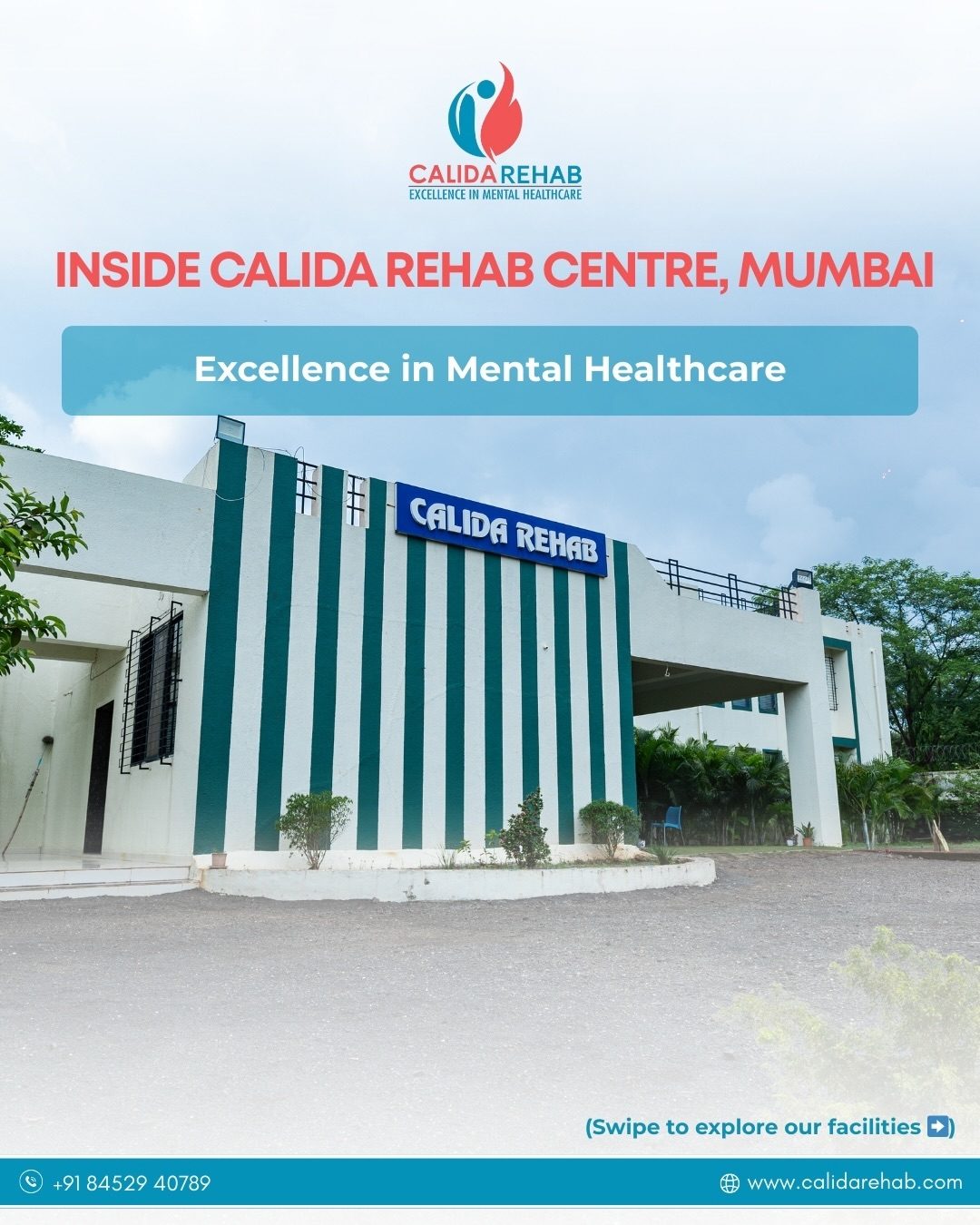
For families comparing recovery options outside the city, learning about rehabilitation support in Karjat can help them understand what a structured, multidisciplinary recovery programme may involve.
Questions Families Can Ask Before Choosing a Recovery Programme
Before selecting any rehabilitation service, families should ask practical questions rather than relying only on advertisements.
Useful questions include:
- What types of conditions does the programme support?
- Which professionals are involved in the care plan?
- How is progress assessed and reviewed?
- Is therapy tailored to the individual’s goals and abilities?
- How are family members included in recovery planning?
- What safety measures and medical support are available?
- How is discharge planned, and what follow-up support is offered?
- What does a typical daily routine look like?
Clear answers can help families choose a programme that matches the person’s actual needs.
Caring for the Caregiver
Caregivers often focus completely on the recovering person and ignore their own wellbeing. Over time, this can lead to fatigue, stress, poor sleep and emotional burnout.
Sharing responsibilities, accepting help from relatives, maintaining basic routines and taking short breaks are not selfish choices. They help caregivers remain patient, healthy and capable of providing support over the long term.
Families should also communicate openly about what is manageable. A recovery plan works best when it considers both the person receiving care and the people supporting them.
Conclusion
Recovery after a major health setback is a gradual process that involves more than physical healing. It includes rebuilding routine, confidence, independence and emotional wellbeing.
Families can make a meaningful difference by creating a safe environment, encouraging realistic goals, supporting therapy and seeking additional guidance when needed. With patience, structured support and the right level of care, many people can make steady progress toward a more independent and fulfilling daily life.
