

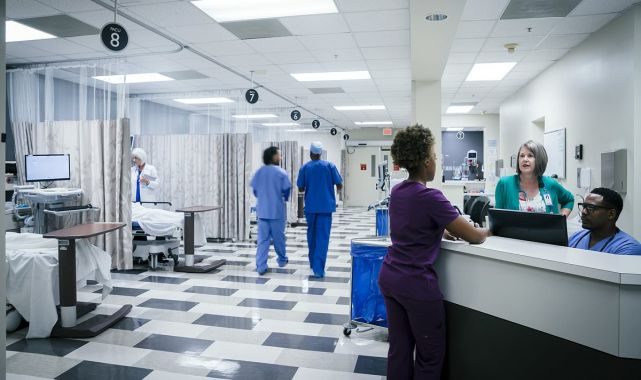
When a sudden illness or minor injury affects a family member, getting timely medical attention becomes a top priority. Long emergency room wait times and limited appointment availability at traditional healthcare facilities can make the situation even more stressful. This is where Family First Urgent Care plays an important role by providing quick, convenient, and professional healthcare services for patients of all ages.
At First Care Family Clinic, patients receive prompt medical attention for non-life-threatening conditions in a welcoming environment designed to support families. Whether it’s a fever that appears late in the evening, a sports injury, an unexpected infection, or a child who wakes up feeling unwell, urgent care services help bridge the gap between emergency rooms and primary care providers.
Families today need healthcare solutions that are accessible, reliable, and focused on patient well-being. Understanding how urgent care centers work can help parents and caregivers make informed healthcare decisions when time matters most.
Why Fast Medical Care Matters for Families
Health concerns rarely happen according to schedule. Children can develop symptoms unexpectedly, adults may experience sudden discomfort, and minor injuries can occur during everyday activities.
In these situations, waiting several days for a doctor’s appointment may not be practical. Immediate access to medical evaluation allows healthcare providers to diagnose conditions quickly and recommend appropriate treatment.
Fast medical care offers several benefits:
- Early diagnosis and treatment
- Reduced risk of complications
- Less discomfort for patients
- Lower stress for families
- Faster recovery times
- Greater peace of mind
By addressing health concerns promptly, families can often avoid worsening symptoms and unnecessary emergency room visits.
Understanding the Role of Family First Urgent Care
Many people wonder when they should visit an urgent care center instead of a hospital emergency room. Urgent care facilities are designed to treat illnesses and injuries that require prompt attention but are not considered life-threatening.
Common conditions treated at Family First Urgent Care include:
- Cold and flu symptoms
- Fever management
- Ear infections
- Sore throat evaluations
- Minor cuts and lacerations
- Sprains and strains
- Mild allergic reactions
- Skin rashes
- Sinus infections
- Urinary tract infections
These healthcare services provide families with a practical alternative when immediate medical assistance is needed.
A Family-Centered Approach to Healthcare
One of the biggest advantages of modern urgent care centers is their focus on family-oriented treatment. Healthcare professionals understand that every patient has unique needs depending on age, medical history, and current symptoms.
Parents often appreciate having a single location where children, teenagers, adults, and seniors can receive quality care. This convenience helps simplify healthcare decisions while reducing travel time between multiple providers.
Medical teams also prioritize communication, ensuring that patients understand their diagnosis, treatment plan, and any necessary follow-up care.
Convenience That Fits Busy Lifestyles
Today’s families balance work responsibilities, school schedules, extracurricular activities, and household commitments. Finding time for healthcare appointments can be challenging.
Urgent care centers provide flexibility by offering extended hours and walk-in availability. Patients can receive medical attention without waiting weeks for an appointment.
This convenience is especially valuable when symptoms develop outside normal office hours. Instead of delaying treatment, families can seek prompt care and begin recovery sooner.
Comprehensive Services Under One Roof
A major reason many patients choose Family First Urgent Care is the wide range of healthcare services available in one location.
Many urgent care centers offer:
Diagnostic Testing
On-site testing allows providers to identify illnesses quickly and recommend appropriate treatment plans.
Physical Examinations
Routine evaluations support preventive healthcare and help detect potential health concerns early.
Minor Injury Treatment
Healthcare professionals can assess and treat common injuries that do not require emergency intervention.
Preventive Care Services
Vaccinations, screenings, and wellness services contribute to long-term health management.
Occupational Health Support
Many facilities assist employers and employees with workplace-related healthcare requirements.
By combining multiple services in one location, urgent care centers improve efficiency and patient convenience.
Reducing Emergency Room Visits
Emergency departments play a critical role in treating serious medical emergencies. However, many non-emergency conditions can be effectively managed through urgent care services.
Choosing urgent care for appropriate situations offers several advantages:
- Shorter waiting times
- Lower healthcare costs
- Faster access to providers
- More comfortable patient experience
- Efficient treatment for common illnesses
This approach helps emergency rooms focus resources on critical cases while ensuring patients receive timely care.
Supporting Children’s Health Needs
Parents often face difficult decisions when a child becomes sick unexpectedly. Symptoms such as fever, ear pain, coughs, sore throats, and minor injuries can cause significant concern.
Urgent care providers are experienced in evaluating pediatric patients and creating treatment plans that support recovery while minimizing discomfort.
Children benefit from receiving prompt medical attention in a setting designed to be less intimidating than a hospital emergency department. This positive experience can help reduce anxiety for both children and parents.
The Importance of Experienced Medical Professionals
Quality healthcare depends on knowledgeable providers who can accurately assess symptoms and recommend appropriate treatment.
Healthcare professionals working in urgent care environments often have extensive experience treating a wide variety of medical conditions. Their expertise allows them to make informed decisions quickly while maintaining high standards of patient care.
Patients benefit from evidence-based treatment approaches, thorough evaluations, and personalized recommendations that support long-term health outcomes.
In My Opinion, Accessibility Changes Everything
In my opinion, one of the most valuable aspects of urgent care is accessibility. Families should not have to choose between waiting days for treatment or spending hours in an emergency room for minor medical concerns.
Having access to professional healthcare when it is needed most creates confidence and peace of mind. Knowing that qualified medical providers are available to evaluate symptoms quickly allows families to focus on recovery instead of worrying about delays in care.
This accessibility is one reason urgent care continues to become an essential part of modern healthcare delivery.
Building Trust Through Patient-Focused Care
Trust plays a major role in healthcare decisions. Families want providers who listen carefully, communicate clearly, and prioritize patient well-being.
Urgent care centers build trust by focusing on compassionate treatment, transparent communication, and efficient service. Patients appreciate healthcare experiences that respect their time while delivering quality medical care.
When healthcare providers consistently demonstrate professionalism and expertise, families feel more confident seeking care whenever health concerns arise.
Conclusion
Healthcare needs can arise unexpectedly, making fast and reliable medical support essential for families. Family First Urgent Care helps patients receive timely treatment for a wide range of non-emergency illnesses and injuries while avoiding unnecessary delays. Through comprehensive services, experienced healthcare professionals, and a family-centered approach, First Care Family Clinic supports the health and well-being of individuals at every stage of life. By providing accessible and efficient medical care, urgent care services continue to play an important role in helping families stay healthy and recover quickly.
FAQs
What conditions can Family First Urgent Care treat?
Urgent care centers commonly treat minor illnesses, infections, allergies, cuts, sprains, fevers, sore throats, and other non-life-threatening conditions.
Do I need an appointment to visit urgent care?
Most urgent care facilities accept walk-in patients, making healthcare more convenient when immediate attention is needed.
Is urgent care faster than an emergency room?
For non-emergency conditions, urgent care centers often provide shorter wait times and quicker access to healthcare providers.
Can children receive treatment at urgent care centers?
Yes. Many urgent care providers offer pediatric services for common childhood illnesses and injuries.
When should I choose an emergency room instead of urgent care?
Life-threatening conditions such as severe chest pain, difficulty breathing, stroke symptoms, or major injuries should always be treated in an emergency room.
