

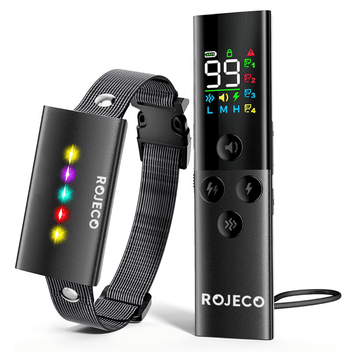
Training a dog is one of the most rewarding experiences a pet owner can have. A well-trained dog is not only easier to manage but also happier, safer, and more confident. However, many dog owners struggle with common challenges such as excessive barking, leash pulling, separation anxiety, and inconsistent behavior.
The good news is that modern pet care solutions are making dog training easier than ever before. With the right combination of patience, positive reinforcement, consistency, and smart pet technology, owners can build stronger relationships with their dogs while encouraging healthy behaviors.
At ROJECO, we believe that successful dog training begins with creating a stable, comfortable, and predictable environment. Smart pet care products can play a valuable role in supporting training goals and helping dogs develop positive daily habits.
Why Dog Training Is Important
Many people think dog training is only about teaching commands like “sit” or “stay.” In reality, training helps dogs understand expectations and communicate effectively with their owners.
Proper training can:
- Improve safety
- Reduce behavioral problems
- Strengthen owner-pet relationships
- Increase confidence
- Reduce stress and anxiety
- Create a more peaceful home environment
Training isn’t about control—it’s about communication and trust.
Start Training Early, But It’s Never Too Late
Puppies often learn quickly because they are naturally curious and adaptable. However, adult dogs can also learn new behaviors successfully.
Whether you have:
- A young puppy
- A rescue dog
- A senior companion
consistent training techniques can produce excellent results.
The key is patience and repetition.
Creating a Structured Daily Routine
Dogs thrive on routine. When they know what to expect each day, they feel more secure and confident.
A healthy routine should include:
- Regular feeding times
- Daily walks
- Training sessions
- Playtime
- Rest periods
This is where smart pet care solutions become valuable.
For example, automatic pet feeders help ensure meals are served at the same time every day, reinforcing structure and predictability.
Consistent schedules can significantly improve a dog’s behavior and emotional well-being.
The Connection Between Feeding and Training
Many dog owners underestimate how important feeding routines are during training.
When meal schedules are inconsistent, dogs may become:
- Restless
- Anxious
- Overexcited
- Less focused
Using scheduled feeding systems helps create dependable routines that support behavioral development.
Benefits include:
- Better focus during training
- Reduced food-related anxiety
- Improved portion control
- Healthier eating habits
A well-fed dog with a predictable routine is often easier to train.
Positive Reinforcement Works Best
Modern dog training focuses heavily on positive reinforcement.
Instead of punishing unwanted behaviors, owners reward desired behaviors.
Examples include:
- Treats
- Praise
- Toys
- Affection
- Playtime
Positive reinforcement helps dogs associate good behavior with positive outcomes.
This approach builds trust while encouraging faster learning.
Teaching Essential Commands
Every dog should learn basic commands that improve safety and communication.
Important commands include:
Sit
One of the easiest and most useful commands.
Stay
Helps maintain control in busy environments.
Come
Can be critical during emergencies.
Leave It
Prevents dogs from picking up dangerous objects.
Down
Promotes calm behavior.
Short training sessions repeated consistently often produce the best results.
Managing Excessive Barking
Barking is a natural form of communication, but excessive barking can become problematic.
Common causes include:
- Boredom
- Anxiety
- Attention-seeking
- Environmental triggers
Solutions may include:
- More exercise
- Mental stimulation
- Interactive toys
- Consistent training
Understanding the reason behind the barking is the first step toward addressing it effectively.
Reducing Separation Anxiety
Many dogs struggle when left alone.
Signs of separation anxiety may include:
- Excessive barking
- Destructive behavior
- Pacing
- Restlessness
Creating a predictable environment can help reduce stress.
Helpful strategies include:
- Consistent schedules
- Comfortable resting areas
- Regular feeding routines
- Gradual independence training
Dogs feel more secure when daily activities follow a familiar pattern.
The Role of Exercise in Dog Behavior
A tired dog is often a well-behaved dog.
Physical activity helps release energy and reduce behavioral issues.
Popular activities include:
- Walking
- Running
- Fetch
- Hiking
- Agility exercises
Regular exercise contributes to:
- Better physical health
- Improved focus
- Reduced anxiety
- Greater emotional stability
Mental Stimulation Matters Too
Training isn’t only about physical activity.
Dogs also need mental challenges.
Ideas include:
- Puzzle feeders
- Training games
- Scent activities
- Interactive toys
Mental stimulation helps prevent boredom and encourages healthy problem-solving skills.
How Smart Pet Care Supports Training
Technology is transforming pet care in exciting ways.
Smart feeding systems, hydration solutions, and automated pet products help owners maintain consistency—a critical factor in successful training.
Benefits include:
Reliable Feeding Schedules
Dogs quickly learn predictable routines.
Better Portion Control
Supports healthy weight management.
Reduced Owner Stress
Automation handles repetitive tasks.
Improved Daily Structure
Creates a stable environment that supports learning.
Smart pet care doesn’t replace training—it strengthens the foundation that makes training more successful.
Building a Strong Bond With Your Dog
The ultimate goal of training is not simply obedience.
It’s about building trust and communication.
Successful training helps owners:
- Understand their dog’s needs
- Improve communication
- Increase confidence
- Strengthen emotional connections
Dogs naturally respond to leaders who are calm, consistent, and patient.
Common Training Mistakes to Avoid
Many owners unintentionally slow training progress by making avoidable mistakes.
Examples include:
- Inconsistent commands
- Unrealistic expectations
- Long training sessions
- Punishment-based methods
- Lack of routine
Instead, focus on:
- Consistency
- Patience
- Positive reinforcement
- Short daily sessions
Small improvements over time lead to lasting success.
The Future of Pet Training
As technology continues advancing, pet owners have more tools than ever before to support healthy behavior and daily care.
Future trends may include:
- AI-assisted pet monitoring
- Smart feeding schedules
- Activity tracking
- Behavioral insights
- Automated wellness management
These innovations will continue helping owners create healthier environments for their pets.
Conclusion
Successful dog training begins with consistency, patience, and a structured environment. While commands and obedience exercises are important, creating healthy daily routines often has the greatest impact on long-term behavior.
Smart pet care solutions from ROJECO help support these routines by providing dependable feeding schedules, promoting healthy habits, and reducing the stress of daily pet management.
When combined with positive reinforcement, regular exercise, and plenty of love, these tools can help dogs become happier, healthier, and better-behaved companions.
In 2026 and beyond, the combination of smart technology and responsible training is shaping a brighter future for dogs and the people who care for them.
